Aquarium Sand
Aquarium Sand covers substrate products for freshwater and saltwater tanks, including natural, colored, and play sand varieties with grain and mineral differences. The category averages a 4.55 rating across 34 indexed products, priced roughly $34–$137 with brands like Ultum Nature Systems represented
Top Products

20lb coarse sand with colored pebbles for plants and decor
SHIZWU
Mid-Range
Flourite Black Sand (15.4 lb) by Seachem
Seachem
Budget
AquaNatural African Cichlid Aragonite 20LB Sand
Aqua Natural
Budget
TheFrogHouse Black Aquarium Sand Substrate (25lbs)
The Frog House
Budget
Landen Namale Aquarium Sand for Landscaping
LANDEN
Mid-Range
Aquarium White Sand 20lbs 0.4-0.8mm for Betta tanks
FANTIAN
Mid-Range
Aquarium Silica Sand 20 lbs, 0.4-0.8 mm gravel substrate
FANTIAN
Mid-Range
20 lbs Black Silica Sand for Aquarium Gravel
FANTIAN
Mid-Range
Aquarium blue sand 20lbs - 0.4-0.8mm decorative substrate
FANTIAN
Mid-Range
20 lbs aquarium white sand for fish tanks (0.8-2 mm)
FANTIAN
Mid-Range
Pink Aquarium Sand 20lbs 0.4-0.8 mm FANTIAN
FANTIAN
Mid-Range
UnS Controsand Bora 3L natural freshwater sand
Ultum Nature Systems
Budget
Classic Sand & Play Aquarium Sand, 20 lb bag
CLASSIC SAND & PLAY
Mid-Range
Aquarium Sand 20lbs White Gravel Substrate for Aquascaping
YISZM
Mid-Range
The Frog House Black Aquarium Sand Substrate
The Frog House
Mid-Range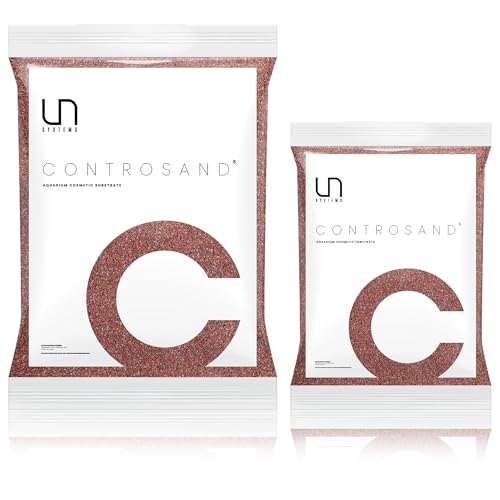
UNS Controsand Morocco 8L - Natural Freshwater Sand
Ultum Nature Systems
Mid-Range
Mojave Fine-Grain Substrate 3L for Planted Aquariums
Ultum Nature Systems
Budget
LANDEN Namale Aquarium Sand 22 lbs for Plant Tank Landscaping
LANDEN
Mid-Range
Ultum Nature Systems Controsand Mojave Aquarium Sand (8L)
Ultum Nature Systems
Mid-Range
Classic Sand & Play Natural Aquarium Sand 20 lb Bag
CLASSIC SAND & PLAY
Mid-Range
40lb Coarse Sand and Colored Pebbles for Succulents, Vase Filling, Paving
SHIZWU
Mid-Range
Classic Sand & Play Aquarium Sand – 20 lb
CLASSIC SAND & PLAY
Mid-Range
UNS Controsand Kona 8L - Natural Dark Gray Gravel for Aquascaping
Ultum Nature Systems
Mid-Range
The Frog House Black Aquarium Sand Substrate
The Frog House
Mid-RangeRoundups
Frequently Asked Questions
How do I choose the right grain size and color for my aquarium sand?
Select grain size based on livestock and aesthetics: fine sand (0.1–1 mm) suits small fish and burrowers, while coarser sand (1–3 mm) is better for larger fish and better water flow. Choose color to contrast or complement fish and plants; darker sands hide waste while lighter sands reflect color but may show debris more
What type of sand is safe for freshwater vs. marine aquariums?
Use inert silica-based or aragonite sands labeled for the specific environment: most silica sands are suitable for freshwater, while aragonite/calcium-rich sands are common for marine and reef tanks because they help maintain pH and hardness. Always check product specifications for marine compatibility
How much aquarium sand do I need to cover the tank bottom?
Aim for a depth of 1–3 inches (2.5–7.5 cm) depending on plants and burrowing species: planted tanks and heavy burrowers may need the deeper end, while non-planted community tanks can use about 1 inch. Calculate volume by tank area × desired depth and convert to product weight using the sand's bulk density on the label
Do I need to rinse aquarium sand before adding it to the tank?
Most natural sands benefit from rinsing to remove dust and fines that cause cloudiness: rinse under running water until it runs clear, unless the product explicitly states it is pre-washed and ready to use. For chemical-treated or colored sands, follow manufacturer instructions
How does sand affect water chemistry and filtration needs?
Inert silica sand has minimal effect on pH and hardness, while aragonite sand can raise and buffer alkalinity and pH over time. Fine sand can compact and reduce flow through the substrate, so use powerheads, substrate stirrers, or occasional vacuuming to prevent anaerobic pockets
What maintenance does aquarium sand require?
Perform regular surface siphoning to remove detritus and vacuum lightly; avoid deep vacuuming that disrupts beneficial bacteria. Stir or turn compacted areas as needed for oxygenation, and replace or top up sand when it becomes contaminated or depleted of structure
Are there budget considerations when buying aquarium sand?
Sand prices vary by type, grain size, and quantity; budget options commonly fall under $50 for small to medium bags, while specialty or large-volume sands cost more. Consider cost per gallon of substrate needed and whether pre-washed or treated products justify higher prices due to saved prep time