Aquarium Test Kits
Aquarium Test Kits for pet care include liquid and strip tests for pH, ammonia, nitrite, nitrate, and specialty assays for saltwater parameters. The 19 indexed products span budget through premium options (average $78) from brands like Hanna Instruments and Salifert. Average rating across the category is 4.45
Top Products

Hanna Marine Alkalinity (dKH) Checker HC
Hanna Instruments
Mid-Range
GarlicPower Garlic Extract for Aquarium Fish Food
Brightwell Aquatics
Budget
Marine Calcium Checker HC Reagents (25 Tests) - HI758-26
Hanna Instruments
Budget
Salifert alkalinity calcium magnesium combo test kit
Salifert
Mid-Range
API Freshwater Master Test Kit
API
Budget
Hanna HI772 Alkalkinity Checker for Aquarium
WLR Industries
Mid-Range
Hanna HI772-26 Reagents - 2 Pack for HI772 Checker Saltwater Alkalinity Colorimeter
WLR Industries
Budget
Hanna PH Checker for Aquariums
Hanna Instruments
Mid-Range
Auto Top Off System NG11 for Reef and Fresh Tanks
LAZYBONE AQUA
Budget
MagTool Aquarium Auto Top Off System ATO LITE (Blue)
MagTool
Mid-Range
Salifert Master Reef Testing Kit for Saltwater Aquariums
Salifert
Premium
Hanna HI 736 Phosphorus Checker HC handheld photometer
Hanna Instruments
Mid-Range
Red Sea Reef Foundation Pro Test Kit for saltwater aquariums
Red Sea
Premium
Hanna Marine Alkalinity Checker HI755
Hanna Instruments
Mid-Range
MySimplePetLab Routine Dog Stool Test Kit
MySimplePetLab
Mid-Range
Hanna Marine Magnesium Checker HC HI783 (64 g) for Saltwater Aquariums
Hanna Instruments
Mid-Range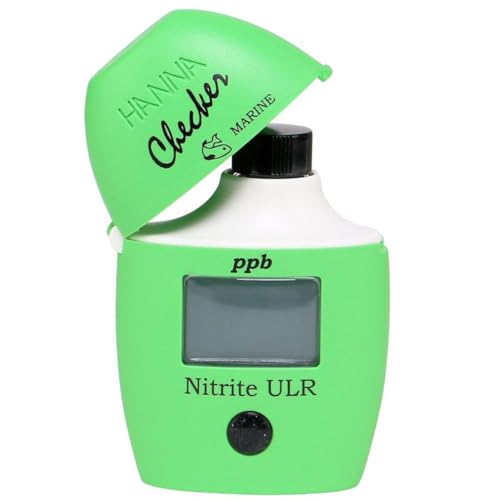
HI764 ultra-low nitrite checker for aquariums
WLR Industries
Mid-Range
Ultimate Home Water Test Kit for Drinking Water
Tap Score
Premium
Smart Fish Tank Monitor 4-in-1 pH/TDS/EC/Temp with Wi-Fi
kactoily
PremiumRoundups
Frequently Asked Questions
Which water parameters should I test regularly for freshwater and saltwater tanks?
Freshwater hobbyists typically monitor pH, ammonia, nitrite, nitrate, and sometimes GH/KH; planted tanks may also need CO2 and iron. Saltwater and reef tanks require pH, ammonia, nitrite, nitrate, phosphate, salinity, and for reefs calcium, alkalinity, and magnesium when keeping corals
How often should I test aquarium water and why?
Test frequency depends on tank stability: new or cycling tanks should be tested daily for ammonia, nitrite, and nitrate; established tanks are often tested weekly for core parameters and after any water change, medication, or livestock additions. More frequent testing prevents bloom, poisoning, and parameter drift
Are electronic/photometer test kits worth the extra cost compared to strips or liquid kits?
Electronic/photometer kits generally offer greater precision, digital readouts, and reduced subjective color interpretation, which is valuable for reef tanks or advanced hobbyists; they cost more and may require calibration and replacement reagents. For basic freshwater care, high-quality liquid kits can be sufficiently accurate at lower cost
How long do test reagents, strips, or electronic kits remain accurate and how should they be stored?
Test strips and liquid reagents typically have expiry dates and should be stored sealed, away from heat, humidity, and direct sunlight; opened liquid reagents are usually stable for several months to a year depending on the chemical. Electronic photometers require periodic calibration and their reagents or test vials should be replaced according to manufacturer guidance
What level of accuracy do aquarium hobbyists generally expect and how does that affect price?
Hobbyist accuracy needs range from approximate (strips) to laboratory-like precision (photometers and colorimetric kits); mid-range liquid kits provide a good balance of accuracy and cost. Prices across the category vary widely, with many consumer kits averaging around the low hundreds of dollars for advanced digital systems and budget options under $50
Can one test kit cover all common aquarium measurements or will I need multiple kits?
Some comprehensive liquid kits or multi-parameter digital systems cover many core measurements, but reef-specific tests (calcium, alkalinity, magnesium) or specialized trace elements often require separate tests or reagents. Assess which parameters you need for your tank type and livestock to determine if one kit suffices