Aquarium Water Pumps
Aquarium water pumps for pet care include submersible, external, and circulation models used for filtration, aeration, and water movement in tanks and ponds. The category spans budget through premium options (127 products, average rating 4.29) with average price around $82 and brands like hygger represented
Top Products

Hydor Koralia Nano Aquarium Circulation Pump
Hydor
Budget
Hydor Koralia Nano circulation pump for small aquariums
Hydor
Budget
Fountain Submersible Water Pump 1100 GPH 100W
FREESEA
Budget
Fluval Sea CP4 Wave Maker for Aquariums
Fluval
Budget
Uniclife 1000 GPH Submersible/Inline Water Pump 120V
Uniclife
Mid-Range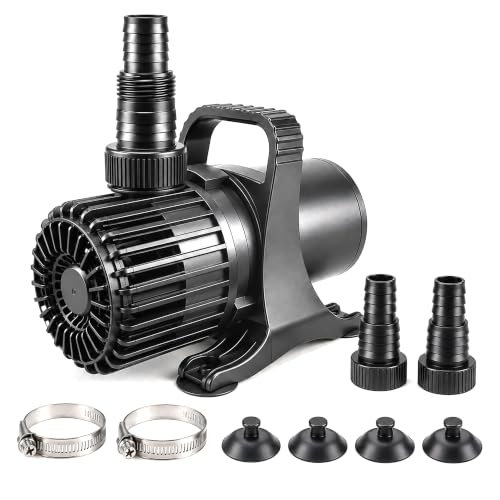
WaterRebirth Submersible Pond Pump 1700 GPH
WaterRebirth
Mid-Range
hygger 4200GPH Double Head Aquarium Circulation Pump
hygger
Mid-Range
hygger 1060 GPH Submersible Water Change Pump
hygger
Mid-Range
Fluval Sea CP3 Wave Maker Pump for Aquariums
Fluval
Budget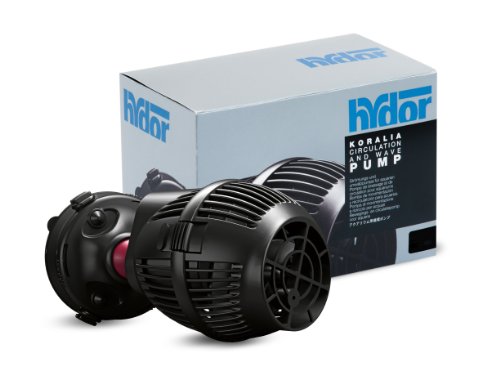
Hydor Koralia Evolution Circulation Pump 750-850 GPH
Hydor
Mid-Range
Aqueon Circulation Pump 1250 GPH
Aqueon
Budget
Aqueon Circulation Pump 950 GPH
Aqueon
Mid-Range
Sicce Voyager Nano 1000 Wave Maker Pump 270 GPH
Sicce
Mid-Range
Fluval Sea CP2 Wave Maker for Aquariums (14346)
Fluval
Budget
Jebao SOW-4 Aquarium Wave Maker
Jebao
Mid-Range
Flexzion Submersible Aquarium Water Pump 1400GPH
Flexzion
Mid-Range
Sicce Syncra Nano 110 GPH Submersible Water Pump
Sicce
Budget
Aqueon Circulation Pump 700 GPH
Aqueon
Mid-Range
DC aquarium pump with sine wave controller 25W 1050GPH
Orlushy
Mid-Range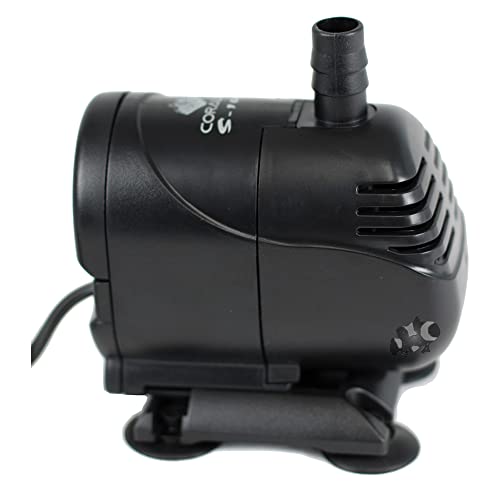
Coralife BioCube replacement filtration pump for 29/32
Coralife
Mid-Range
Submersible pond fountain pump, 1350GPH, 150W with 6.6ft tubing
FREESEA
Mid-Range
hygger 24V DC Water Pump with LCD Controller 800 GPH
hygger
Mid-Range
WaterRebirth 2900GPH Submersible Fountain Pump
WaterRebirth
Mid-Range
WaterRebirth 3200GPH Submersible Fountain Pump
WaterRebirth
Mid-RangeRoundups
Frequently Asked Questions
How do I choose the right aquarium water pump for my tank size and setup?
Match the pump's flow rate (GPH or LPH) to your tank volume and intended use: for filtration aim for 5–10 times tank volume per hour, for circulation or surface agitation aim for higher turnover; also consider head height (maximum lift) and whether you need submersible or inline placement
What features should I prioritize when comparing pumps (noise, energy use, materials)?
Prioritize low noise and energy-efficient motors for long-term use, corrosion-resistant materials (ceramic, stainless steel, or plastics rated for aquaria) if using saltwater, and adjustable flow or included controllers if you need precise flow control
Are there reliable budget ranges and what do they typically include?
Aquarium pumps commonly range from budget options under $50 for basic circulation or small-filter pumps to higher-end units over $100 for high-flow, durable, or specialty pumps; average prices cluster around $80, with more expensive models offering better materials, longer life, and quieter operation
How do I maintain and extend the life of an aquarium pump?
Regular maintenance includes cleaning impellers and housings every 1–3 months, checking for obstructions, replacing worn impellers or seals as needed, and ensuring proper installation to avoid running dry or against excessive head pressure
Can I use the same pump for freshwater and saltwater aquariums?
Many pumps can be used in both, but for saltwater you should choose pumps made from corrosion-resistant materials and rinse or service them more frequently to prevent salt buildup and premature wear
How important is flow direction and adjustable flow for my aquarium inhabitants?
Flow direction and adjustable flow are important because some fish and corals prefer strong, turbulent flow while others need gentle currents; adjustable pumps or adding flow directors lets you customize water movement to suit the species and reduce stress or debris accumulation
What safety considerations should I be aware of when installing a pump?
Ensure all electrical connections are protected from water with GFCI outlets where applicable, use appropriate waterproof fittings and strainers, secure the pump to prevent tipping or vibration, and follow manufacturer guidelines on submersion limits and maximum head height