Bird Feeders
This category covers bird feeders and accessories for backyard and garden bird feeding, including hopper, tube, and suet-style designs across budget through mid-range price points (avg $76). 32 products are indexed with an average rating of 4.60; top brands include Tepaken and XDW-GIFTS
Top Products

Mosaic Solar Wild Bird Feeder with Pole Kit
XDW-GIFTS
Mid-Range
Mosaic Solar Bird Feeder Lantern with LED Lights
XDW-GIFTS
Budget
Mosaic Solar Bird Feeder Lantern with LED Lights
XDW-GIFTS
Mid-Range
Ottsuls Mosaic Solar Bird Feeder with LED Lights
Ottsuls
Budget
Ottsuls Solar Bird Feeder with Lantern Mosaic Glass
Ottsuls
Mid-Range
Dragonfly solar lantern bird feeder (2 pack) outdoor decor
Tepaken
Budget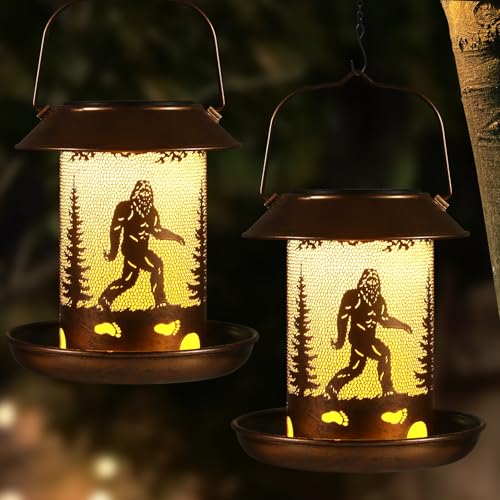
Bird feeder with decorative Bigfoot lantern motif
Tepaken
Budget
Bird feeder with solar lantern pattern decor (2-pack)
Tepaken
Budget
Bird Feeder with Camera - Solar Powered AI Bird ID
Vatjubi
Mid-Range
Bird Feeder with Squirrel-Proof Perches, metal hanging outdoor
LSCQYYCC
Budget
Smart Bird Feeder with Camera for Hummingbirds
FUROBAG
Mid-Range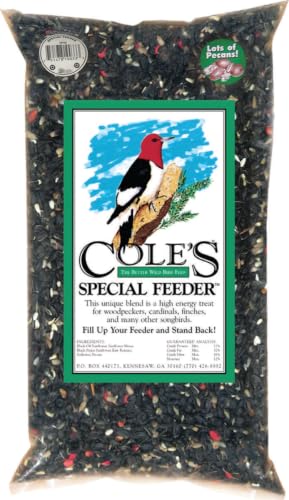
Cole's SF20 Special Feeder Bird Seed, 20-Pound
COLE'S THE BETTER WILD BIRD FEED
Mid-Range
Cage Cups for Poultry - 100 Pack 8 oz Red/Blue Feeding Dishes
Ctosree
Budget
Bird Feeder with Camera Solar Powered AI Identify Birds
UYIDDIN
Mid-Range
Bird Feeder with Camera - AI bird ID & live video
BBPECO
Premium
Billber Bird Feeder with Camera
Billber
Mid-Range
Smart Bird Feeder with Camera & AI Bird ID
UHAOO
Mid-Range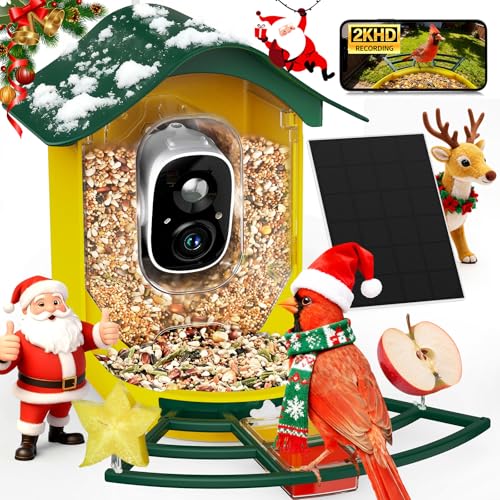
PeckCam Smart Bird Feeder with Camera, 2K HD, AI ID, Solar Panel
PeckCam
Premium
Bird Feeder with Squirrel-Proof Mechanism, 4.0 lb Capacity
Icreer
Mid-Range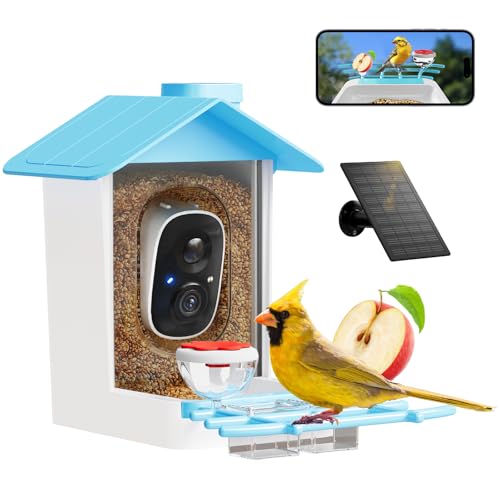
Smart Bird Feeder with Camera - Solar Powered 2K AI Bird ID
juzjuly
Premium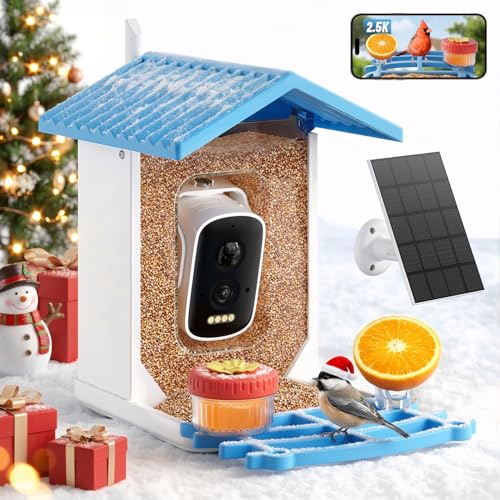
Bird Feeder with Camera 2.5K HD Smart Bird Feeder Cam
WESTHEY
Premium
Bird Feeder with Camera Outdoor Solar
VIMKIM
Premium
Bird Feeder with Camera – Smart AI Birdwatching (Solar Powered)
Vatjubi
Mid-Range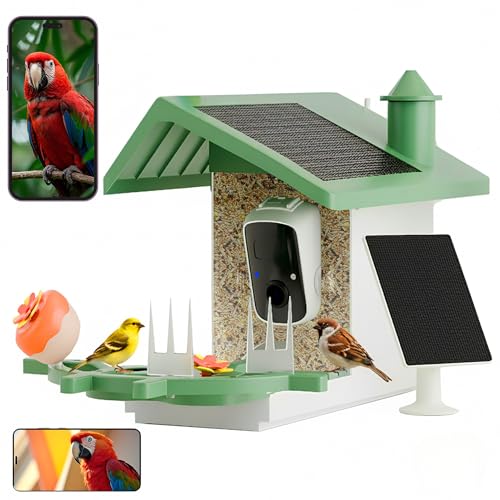
Smart Bird Feeder with Camera Solar Powered
Alecxo
PremiumRoundups
Frequently Asked Questions
How do I choose the right type of bird feeder for my yard?
Select a feeder based on the birds you want to attract and placement: tube feeders for small songbirds, hopper or platform feeders for mixed species, and thistle/nyjer feeders for finches. Consider feeder material (metal for durability, plastic for lightweight), seed type compatibility, and whether you need squirrel-proofing or weather protection
What should I expect to pay for a quality bird feeder?
Prices vary by size, material, and features; budget options commonly fall under $50 while more durable or specialty feeders cost more. In this category, aggregated listings show an average near (price varies)–80, but good choices exist both below and above that range
How do I prevent squirrels and other pests from stealing the seed?
Use squirrel-resistant feeders with weight-activated perches or cages, mount feeders on a pole with a baffle 4–6 feet high, or place feeders away from jumping-off points like trees or fences. Combining a metal feeder with seed that squirrels less prefer (e.g., safflower) reduces theft
What maintenance is needed to keep a bird feeder safe and sanitary?
Clean feeders every 1–2 weeks with a mild bleach solution (1:9 bleach to water) or dish soap, rinse thoroughly, and dry before refilling; increase frequency during wet weather or disease outbreaks. Regularly remove old seed from trays and inspect for mold, rust, or broken parts
Which seeds should I buy for common backyard birds?
Black oil sunflower is a versatile choice that attracts many species; mixed seed blends work for general feeding but may include filler. Nyjer (thistle) is preferred for finches; safflower and peanuts attract cardinals and woodpeckers while deterring some pests
How should I position a feeder for best bird visibility and safety?
Place feeders 4–6 feet above ground and 10–20 feet from dense cover to reduce predator concealment and squirrel access; near shrubs or trees within 10–15 feet provides quick shelter for birds. Ensure feeders are visible from a window for enjoyment but not so close that window strikes become likely
Are there weatherproofing or durability features I should look for?
Look for rust-resistant metals, UV-stable plastics, and drainage vents to keep seed dry; sloped roofs and wide overhangs help shed rain and snow. Replace or repair feeders that develop cracks or loose fittings to prevent seed spoilage and harm to birds