Bird Treats
This category contains seed mixes, mealworms, foraging snacks, and nutrient-rich treats formulated for pet birds, from budgies to parrots. There are 55 indexed products with an average rating of 4.65 and price tiers from budget to premium (avg $61). Top brands include LuckyQworms among others
Top Products

Kimoe 5lb Dried Mealworms for Birds
kimoe
Budget
Kimoe Dried Mealworms for Birds (Non-GMO, 10lb)
kimoe
Mid-Range
Dried Black Soldier Fly Larvae for Chickens - 5LBS
LuckyQworms
Mid-Range
Dried Black Soldier Fly Larvae for Birds, 11LBS
LuckyQworms
Mid-Range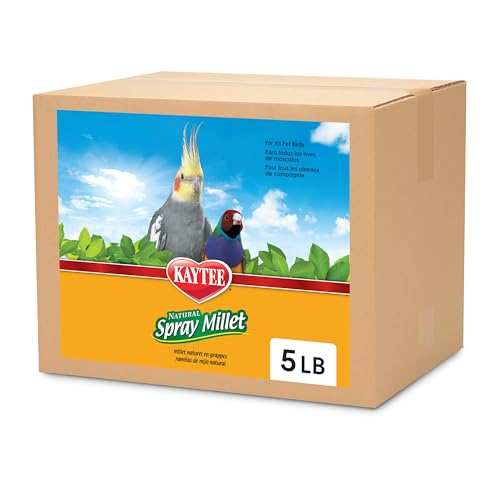
Kaytee Spray Millet Treat for Birds, 5 lb
Kaytee
Mid-Range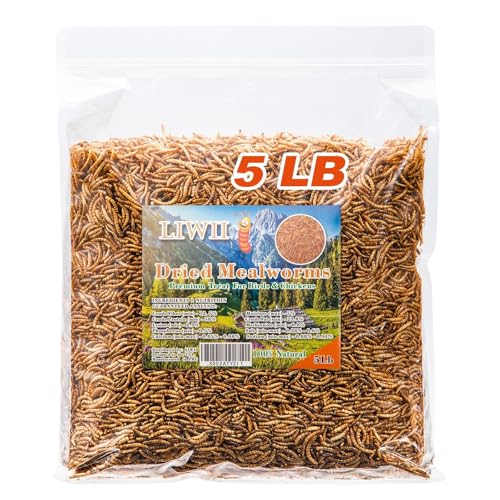
Dried Mealworms - 5 LBS, 100% Natural Non-GMO Protein
LIWII
Budget
Birds LOVE Millet Spray - Non-GMO Treat for Birds (2lbs)
Birds LOVE
Budget
Grubblies Hometown Harvest Chicken Treats
Grubbly Farms
Mid-Range
10lbs Mealworms - High-Protein Dried Worms for Birds, Pets
LuckyQworms
Mid-Range
Bulk Mealworms 11Lbs: High-Protein Dried Mealworms for Birds & Pets
LuckyQworms
Mid-Range
Living World Millet Spray for Birds – Premium Treat for Budgies, Canaries, Finches & More
Living World
Mid-Range
Birds LOVE Millet Spray 5 lb - GMO-Free, Edible Tops Only
Birds LOVE
Mid-Range
5lb Dried Mealworms for Chickens Treats
WormsFarm
Budget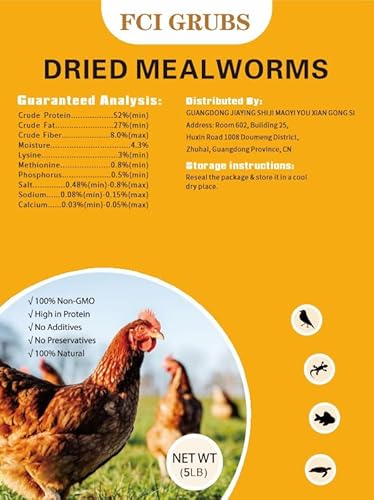
Dried Mealworms 5lb - High Protein Chicken Feed, Non-GMO
FCI GRUBS
Budget
Spray Millet Heads (No Stems) - 5 lb
Penn Seed
Budget
Hatortempt Black Soldier Fly Larvae - 10 lb chicken feed supplement
Hatortempt
Mid-Range
Grubblies Grubs for Chickens - Hometown Harvest 5LB
Grubbly Farms
Mid-Range
GrubTerra Golden Dried Black Soldier Fly Larvae (5lb)
GrubTerra
Mid-Range
Nectar Pods Variety 5 Pack - Calcium-Fortified Jelly Treats
Exotic Nutrition
Budget
KAYHEN Dried Mealworms for Chickens 5LB
KAYHEN
Budget
KAYHEN Dried Mealworms for Chickens 10LB
KAYHEN
Mid-Range
Dried Mealworms 10 lbs for Poultry & Birds
rinlex
Mid-Range
Henry's Picky Blocks - Nutritionally Complete Rodent Food
Henry's Healthy Pets
Mid-Range
KAYHEN Dried Black Soldier Fly Larvae for Chickens 10LB
KAYHEN
Mid-RangeRoundups
Frequently Asked Questions
How do I choose the right bird treats for my species?
Choose treats based on your bird's species, size, and dietary needs: smaller seeds and soft treats for finches and budgies, larger nuts and chewable blocks for parrots, and avoid high-fat items for birds prone to obesity. Check ingredient lists for safe items (no chocolate, caffeine, or high-salt additives) and prefer treats that complement a balanced pellet or seed diet
How often should I give treats and how much is safe?
Treats should make up no more than about 5–10% of a bird's daily caloric intake; for many pet birds that means a small treat once daily or a few small pieces several times a week. Monitor weight and adjust frequency if you notice weight gain or decreased normal-food consumption
What ingredients should I avoid when buying bird treats?
Avoid treats containing chocolate, caffeine, artificial sweeteners (like xylitol), excessive salt, alcohol, and high concentrations of sugar or fat. Also avoid unknown additives and preservatives; choose products with simple, recognizable ingredients when possible
Are natural or homemade treats better than commercial treats?
Both can be suitable: commercial treats often offer balanced, shelf-stable options and consistent portioning, while homemade treats let you control ingredients and freshness. Ensure homemade recipes use bird-safe foods and proper storage; always balance treats within the bird's overall diet
How do I introduce a new treat safely?
Introduce one new treat at a time in small quantities and observe your bird for 24–48 hours for any digestive upset or allergic reactions. Rotate treats gradually to avoid dietary imbalance and remove uneaten perishable items after a few hours to prevent spoilage
What form factors and enrichment features should I consider?
Consider size and texture appropriate to your bird—soft chews, seed sticks, nut clusters, or foraging blocks—and look for enrichment features like foraging pockets, shreddable materials, or chewable wood to stimulate natural behaviors. Ensure any non-food components are non-toxic and securely attached
How much do bird treats typically cost and are there budget options?
Prices vary widely; many shoppers find affordable options under $50 while premium or bulk specialty items cost more. Consider pack size, ingredient quality, and whether the product is intended for frequent use or occasional enrichment when comparing value