Cat Digestive Remedies
This category covers digestive remedies for cats such as probiotics, digestive enzymes, herbal blends, and anti-nausea supplements, with products spanning budget to mid-range price points (avg $51). Fifteen items are indexed with an average rating of 4.39; notable brands include Pet Health Pharma
Top Products

LifeLink Zobaline for Cats 3mg 60 tablets
LifeLink
Budget
Pet Wellbeing Solid BM Gold for Cats - Digestive Support
Pet Wellbeing
Mid-Range
Total-Zymes Digestive Enzymes for Cats and Dogs
NWC Naturals
Mid-Range
Herbsmith Bladder Care for Pets (90 tablets)
Herbsmith
Mid-Range
Dinovite Cat Digestive & Immune Support Supplement
Dinovite
Mid-Range
Feline Catalyst Antioxidant Enzyme Formula for Cats
FELINE ESSENTIAL
Budget
Goat Milk Powder for pets - 3lbs (single-ingredient)
Pure Paws
Mid-Range
Cat Probiotics with Prebiotics and Phages
AnimalBiome
Mid-Range
Feline Catalyst Liquid Pancreatic Enzyme Supplement for Cats
FELINE ESSENTIAL
Mid-Range
Doctor By Cat Colostrum Protein Cat Supplement
Doctor By
Budget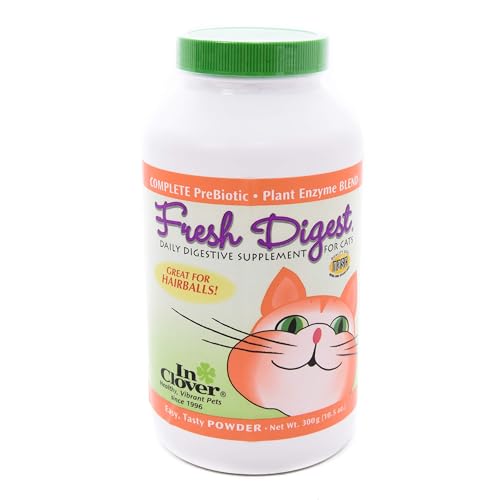
In Clover Fresh Digest Daily Digestive Aid for Cats
In Clover
Mid-Range
VM900+3 Concentrated Vitamin-Mineral with Taurine — Real Cheese Flavor (1 lb.)
Kitty Bloom
Mid-Range
Trukitin Phosphate Binder for Cats & Dogs
Pet Health Pharma
Mid-Range
Milk Thistle supplement for dogs & cats, USDA organic
Herbsmith
Premium
Trukitin Chitosan-based phosphate binder for pets
Pet Health Pharma
Mid-RangeRoundups
Frequently Asked Questions
How do I choose the right digestive remedy for my cat?
Match the product to your cat's specific issue (acute upset, chronic diarrhea, constipation, hairball control, or digestive sensitivity), check active ingredients (probiotics, digestive enzymes, fiber, or mild laxatives), confirm the dosage is appropriate for your cat's weight and age, and consult your veterinarian if the problem is severe or persistent
Are probiotics or digestive enzymes better for cat digestive issues?
Probiotics help restore healthy gut bacteria and are often used for diarrhea or after antibiotics, while digestive enzymes aid nutrient breakdown for food intolerance or malabsorption; choose based on the underlying cause and veterinary advice, and products sometimes combine both
What should I look for on the label regarding safety and quality?
Look for clear ingredient lists, guaranteed active counts for probiotics, species-appropriate formulations for cats, proper dosing instructions, manufacturer contact information, and third-party testing or veterinary formulation notes when available
How much do cat digestive remedies typically cost and are there budget options?
Prices vary by formulation and brand, with many options available under $50 and premium or veterinary-formula products costing more; consider cost per dose and package size when comparing value
How quickly should I expect to see improvement after starting a remedy?
Mild upset or dietary transition issues may improve in 24–72 hours with appropriate treatment, while chronic conditions or outcomes from probiotics and enzymes can take several days to a few weeks; consult a veterinarian if there is no improvement or symptoms worsen
Can I use human digestive supplements for my cat?
Do not use human products unless a veterinarian approves them, because concentrations, inactive ingredients, and dosing can differ and some human ingredients are toxic or ineffective for cats
How should I administer remedies to a picky or difficult cat?
Choose palatable forms (treats, pastes, flavored liquids) when possible, hide doses in a small amount of regular food, use syringe or pill pockets as instructed, and avoid forcing which can cause stress—ask your vet for alternative formulations if needed