Cat Litter
This category covers cat litter products and accessories including clumping, non-clumping, natural/wood-based, silica gel, and disposable tray systems for feline odor control and waste management. The index lists 195 products with an average rating of 4.37 and price tiers from budget to premium (average about (price varies)), with brands like Michu and Tidy Cats represented
Top Products

Fresh Step Advanced Clumping Litter with Febreze Gain scent
Fresh Step
Budget
Fresh Step Extreme Mountain Spring Clumping Litter w Febreze (2 x 18.5 lb)
Fresh Step
Budget
Arm & Hammer Clump & Seal Multi-Cat Clumping Cat Litter
Arm & Hammer
Budget
Arm & Hammer Clump & Seal Multi-Cat Cat Litter 37 lb
Arm & Hammer
Budget
Arm & Hammer Cloud Control Platinum Clumping Cat Litter
Arm & Hammer
Budget
Fresh Step Outstretch Clumping Litter with Febreze Freshness
Fresh Step
Budget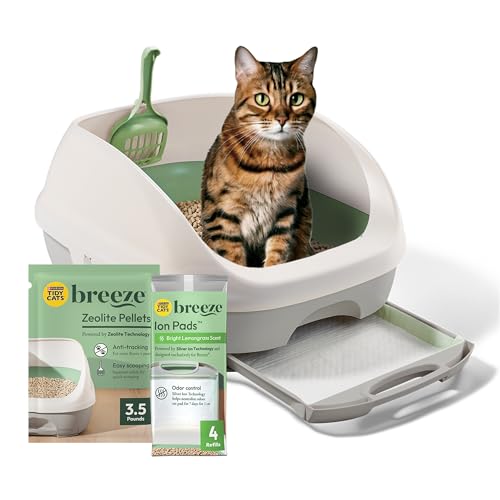
Tidy Cats Breeze Litter Box System Starter Kit
Tidy Cats
Mid-Range
Senior Cat Litter Box with Low Entrance, 1 Pack, Apple Green
NE14pets
Budget
Tidy Cats Breeze Cat Litter Refill Bundle
Tidy Cats
Budget
Purina Tidy Cats Clumping Cat Litter 24/7 Performance Multi Cat
Purina Tidy Cats
Mid-Range
Fresh Step Multi Cat Clumping Litter with Febreze Freshness (2x18.5 lb)
Fresh Step
Budget
Fresh Step Clean Paws Cat Litter with Febreze Freshness
Fresh Step
Budget
Fresh Step Light Weight Extreme Clumping Cat Litter 2 x 12.5 lb
Fresh Step
Budget
Fresh Step Unscented Clumping Cat Litter (2 x 18.5 lb boxes)
Fresh Step
Budget
Fresh Step Tropical Breeze Cat Litter Crystals
Fresh Step Litter Accessories
Budget
Scoop Away Cat Spot Litter, 19 kg
Scoop Away
Budget
KittyGoHere Senior Cat Litter Box, Large, Lavender
NE14pets
Mid-Range
BoxiePro Probiotic Cat Litter – 40 lb
BoxiePro
Mid-Range
Boxie Extra Strength Cat Litter 40lb with Probiotics
Boxiecat
Mid-Range
okocat Super Soft Wood Clumping Cat Litter, Unscented, 22 lb
OKOCAT
Mid-Range
Boxie Glo Clumping Clay Cat Litter
BoxiePro
Mid-Range
Boxie Unscented Clumping Cat Litter 40 lb
Boxiecat
Mid-Range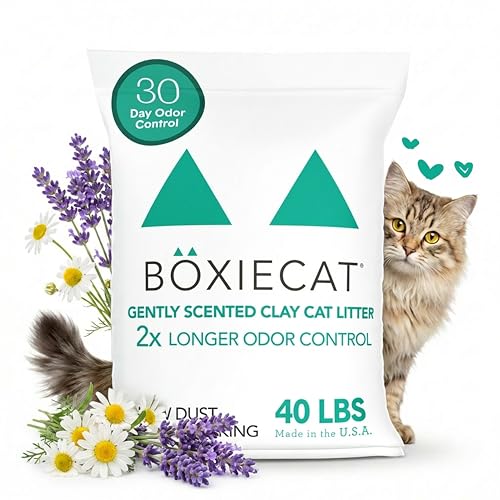
Gently Scented Premium Clumping Clay Cat Litter (40-lb)
Boxiecat
Mid-Range
PETSWORLD 100% Natural Pine Wood Cat Litter – 44 lbs
PETSWORLD
Mid-RangeRoundups
Frequently Asked Questions
How do I choose the right type of cat litter for my cat?
Choose by your priorities: clumping clay litters for easy scooping, non-clumping or crystal litters for low dust and longer changes, biodegradable litters (wood, corn, wheat, paper) for compostability, and silica gel for high absorption and low odor; consider your cat’s health, age, and litter box preferences
How much litter do I need and how often should I replace it?
Fill the box to the manufacturer’s recommended depth (usually 2–4 inches for clumping litters), scoop solids daily, and fully replace non-clumping or biodegradable litters every 1–2 weeks and clumping litters every 2–4 weeks depending on cat count, litter type, and odor control
What features affect dust, tracking, and odor control?
Low-dust formulations, larger granule sizes, and heavier litters reduce tracking and airborne dust; clumping ability and activated carbon or baking soda additives help control odor, while silica/crystal litters and some biodegradable options offer longer odor absorption
How does cost vary and what are typical price expectations?
Prices vary by material, bag size, and brand; budget options can be found under $50 for larger quantities while premium or specialty litters cost more, with average product pricing in the market around the mid-range of the category
Can I mix different types of litter or switch litters safely?
You can transition by gradually mixing increasing amounts of the new litter with the old over 5–7 days to reduce avoidance; avoid abrupt switches, and monitor your cat for litter box avoidance or digestive or respiratory signs
How should I dispose of different litter types responsibly?
Follow manufacturer instructions: most clay and crystal litters should be disposed of in household trash, while some biodegradable litters may be compostable (only if labeled safe for compost and not used with cat waste) or accepted by municipal green waste programs; never flush cat litter unless explicitly labeled flushable