Cat Milk Replacers
Cat milk replacers include powdered and ready-to-feed formulas designed to provide nutrition for kittens, orphaned cats, or nursing-support needs. This category averages a 4.65 rating across 10 products, with mid-range to premium pricing (about $35–$116) and brands such as PetAg represented
Top Products

KMR Kitten Milk Replacer Powder - 28 oz
PetAg
Mid-Range
Goats Milk KMR Kitten Milk Replacer Powder 12 oz
PetAg
Budget
Choolip Berry Good Milk – Lactose-Free Pet Milk for Cats & Dogs
Choolip
Mid-Range
KMR Kitten Milk Replacer Powder – 6 oz, 2-pack
PetAg
Mid-Range
PetLac Kitten Milk Replacement Powder, 10.5 oz, pack of 3
PetAg
Mid-Range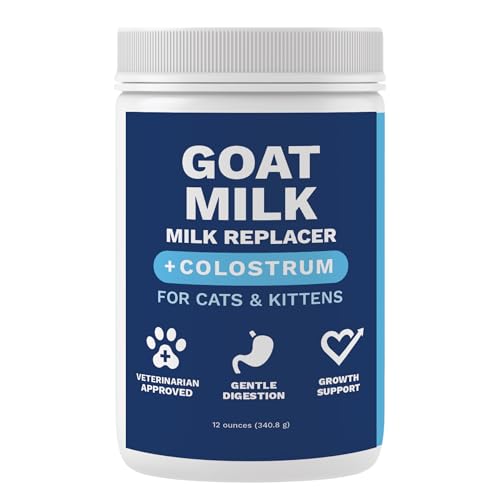
Under the Weather Kitten Milk Replacement with Colostrum
Under the Weather
Budget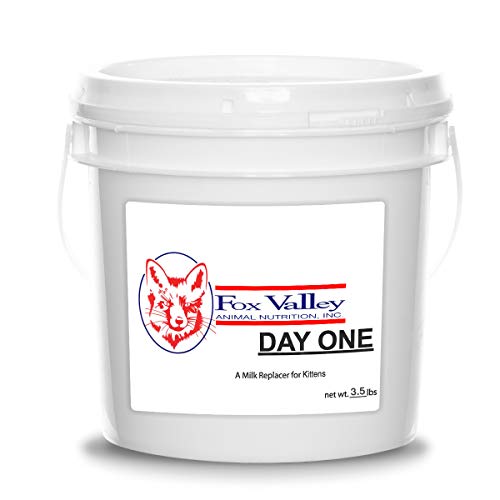
Fox Valley Day-One Kitten Formula 3.5 lb
Fox Valley
Mid-Range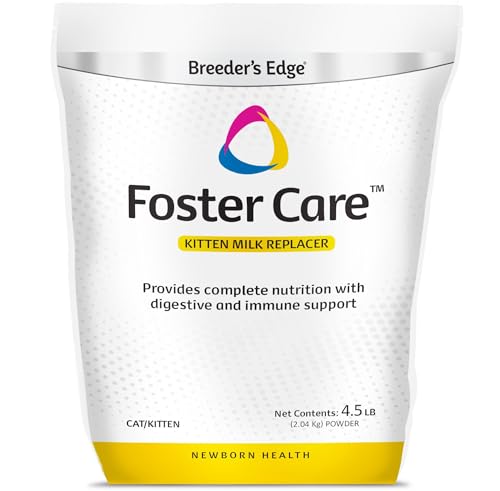
Feline milk replacer powder for kittens 4.5 lb
Revival Animal Health
Premium
PetAg KMR Kitten Milk Replacer Powder 12 oz (2-pack)
PetAg
Mid-Range
Shelters Choice Kitten Milk Replacer 8 lb
Revival Animal Health
PremiumRoundups
Frequently Asked Questions
What is cat milk replacer and when should I use it?
Cat milk replacer is a formulated liquid or powder designed to meet the nutritional needs of kittens or lactose-intolerant adult cats; use it for orphaned or rejected kittens, as a supplement for weak or underweight kittens, or for adult cats that cannot digest regular cow's milk
How do I choose the right milk replacer for my kitten?
Choose a replacer labeled specifically for kittens that provides complete kitten nutrition (appropriate protein, fat, vitamins, and minerals), check for directions that match the kitten's age and weight, and prefer products from reputable pet-care brands with clear preparation and feeding guidelines
Should I use powdered or ready-to-feed cat milk replacer?
Powdered formulas are more economical and have longer shelf life after opening, while ready-to-feed liquids are convenient and reduce preparation errors; both can be nutritionally appropriate if they are designed for kittens and prepared/stored according to the manufacturer's instructions
How do I prepare and store cat milk replacer safely?
Prepare according to package directions using clean, lukewarm water and sterilized bottles or syringes; refrigerate mixed formula and use within the time specified on the label (commonly 24–48 hours), discarding any unused warmed formula after each feeding
How often and how much should I feed a kitten milk replacer?
Feeding frequency and volume depend on age and weight: newborns typically eat every 2–3 hours, with intervals lengthening as they grow; follow the product's feeding chart and consult a veterinarian to adjust amounts for individual needs and weight gain
Can adult cats drink kitten milk replacer?
Adult cats can be given kitten milk replacer if they are lactose-intolerant or need a high-calorie supplement, but it is not a substitute for a balanced adult cat diet; consult your veterinarian for long-term feeding recommendations
What safety or ingredient issues should I watch for?
Avoid products containing added sugars or ingredients your veterinarian flags as inappropriate; check for AAFCO statement or manufacturer guidance that the formula is complete for kittens, and always monitor kittens for digestive upset or allergic reactions when introducing a new formula