Dog Automatic Feeders
Automatic feeders for dogs that dispense measured portions on schedules or via sensors, including programmable, gravity, and Wi‑Fi–enabled models. Catalog of 149 products averages a 4.34 rating with prices from $33 to $249 (avg ~(price varies)), featuring brands like RIZZARI among mid‑range to premium options
Top Products

RIZZARI Automatic Pet Water Dispenser 5L with Stainless Steel Bowl
RIZZARI
Budget
RIZZARI 5L Automatic Pet Waterer, Gravity Stainless Steel Dispenser
RIZZARI
Budget
RIZZARI 7L Automatic Gravity Pet Waterer for large dogs
RIZZARI
Budget
RIZZARI 8L Automatic Pet Waterer
RIZZARI
Mid-Range
RIZZARI 7L Gravity Pet Waterer with Raised Stainless Bowl
RIZZARI
Mid-Range
RIZZARI 8L Gravity Water Dispenser for Large Dogs
RIZZARI
Mid-Range
CZPET Automatic Gravity Water Dispenser with Stainless Steel Bowl
CZPET
Budget
Sfozstra 7L Gravity Dog Water Bowl Dispenser
Sfozstra
Budget
RIZZARI 9L Water Dispenser for Large Dogs
RIZZARI
Mid-Range
Sfozstra 9L Automatic Dog Water Dispenser with Stainless Steel Bowl
Sfozstra
Mid-Range
RIZZARI 8L Water Dispenser for Large Dogs
RIZZARI
Mid-Range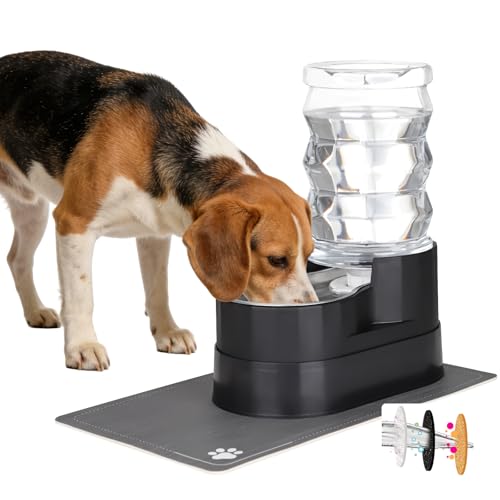
RIZZARI 7L Automatic Cat Water Dispenser – Elevated, Stainless Steel Gravity Feeder
RIZZARI
Mid-Range
RIZZARI 8L Gravity Water Dispenser for Dogs
RIZZARI
Mid-Range
1 Gallon Automatic Dog Water Bowl Dispenser (Grey) — STALTWO
STALTWO
Budget
HoneyGuaridan 5L Dual Cat Automatic Feeder (Two Cats) with Stainless Bowl
honeyguaridan
Mid-Range
CZPET Automatic Gravity Water Dispenser with Stainless Steel Bowl
CZPET
Mid-Range
1.58 gal Automatic Dog Water Bowl Dispenser - STALTWO
STALTWO
Mid-Range
Meikuler Auto Feeder 5.2L for pets
Meikuler
Mid-Range
Automatic Cat Feeder and Water Dispenser 2 Pack with Stainless Steel Bowl
HWONMTE
Budget
Petmate Replendish Automatic Feeder with 5 lb Capacity
Petmate
Budget
Automatic Dog Water Dispenser with Anti-tip Bracket
PETSOLON
Budget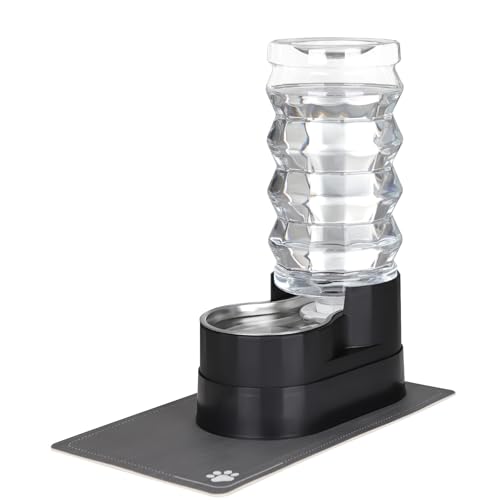
RIZZARI 9L Raised Automatic Pet Waterer – Gravity Fed Steel Bowl
RIZZARI
Mid-Range
Meikuler Pets Auto Feeder 5.2L – Food & Water Dispenser (Navy)
Meikuler
Mid-Range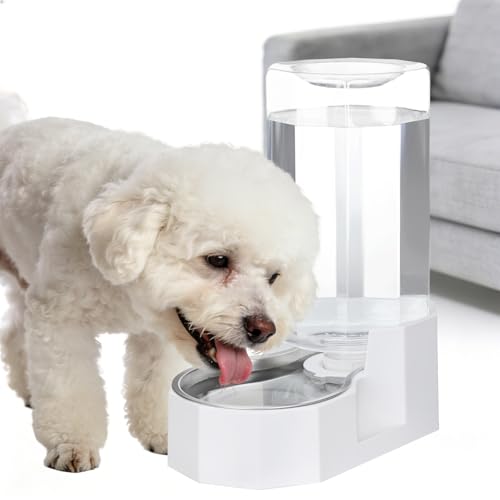
Automatic pet water dispenser with stainless steel bowl
Sfozstra
BudgetRoundups
Frequently Asked Questions
How do I choose the right capacity and portion control for an automatic dog feeder?
Pick a feeder with a hopper capacity that matches your dog’s daily consumption and how often you’ll refill; smaller feeders (1–4 meals) suit small breeds or short absences, while larger hoppers (up to several days) fit multiple meals or larger breeds. Look for programmable portion sizes in grams or cups so you can set portions tailored to your dog’s weight and activity level
What power options and reliability should I consider?
Automatic feeders typically run on AC power with optional battery backup or solely on batteries; choose AC + battery backup to avoid missed meals during outages. Check for reviews on reliability and mechanisms (auger vs. gravity vs. timed-dispense) because mechanically simpler designs generally have fewer jams
Are automatic feeders safe for wet or fresh food, and what food types work best?
Most automatic feeders are designed for dry kibble and some dry-soft blends; wet and fresh food require specialized refrigerated or single-use portion systems. Confirm the feeder’s compatibility with pellet size, shape, and moisture level to avoid clogging or spoilage
What features matter for multi-dog households or complex feeding schedules?
Look for feeders with multiple preset meal times, individualized portion control per meal, and partitioned bowls or separate feeder units to prevent resource guarding. For multi-dog use, consider feeders that can pair with microchip- or tag-activated access to ensure each pet gets the correct portions
How do I clean and maintain an automatic feeder to ensure hygiene and longevity?
Regularly empty and wipe the hopper and bowl, follow manufacturer instructions for disassembly, and wash removable parts with mild soap and water; clean at least weekly for dry food and immediately after any spills. Inspect and clear dispensing mechanisms periodically to prevent jams and replace batteries per recommendations
What safety and reliability signals should I look for in product specs and reviews?
Check for clear portion accuracy specs, anti-jam design notes, battery-backup options, and certifications for food-safe materials; scan user reviews for recurring issues like motor failure, inaccurate portions, or clogging. Reliable customer support and accessible replacement parts are useful indicators of long-term serviceability
How much should I expect to spend and what features typically affect price?
Prices vary by capacity, programmability, materials, and smart features; basic timers and small-capacity feeders are commonly found under $50, while large-capacity, multi-meal, refrigerated, or smart Wi‑Fi models typically cost more. Higher-priced models usually add precise portioning, durable construction, and connectivity features