Dog Flea Sprays
This category covers topical and spray-form flea control products for dogs, including treatment and prevention formulations from brands like Cedarcide and Vet's Best. Nineteen products are indexed with an average rating of 4.34 and mid-range pricing (roughly $35–$110)
Top Products

Vet's Best Natural Flea & Tick Home Spray for Dogs – Cotton Spice Scent
Vet's Best
Mid-Range
Vets Best Flea and Tick Home Spray Refill (96 oz) – Plant-Based
Vet's Best
Mid-Range
Wondercide Flea, Tick & Mosquito Spray for Dogs, Cats & Home
Wondercide
Budget
Vet's Best Flea & Tick Yard Kennel Spray – Natural Outdoor Treatment
Vet's Best
Mid-Range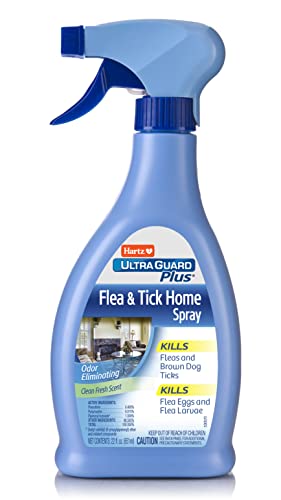
Hartz UltraGuard Plus Flea & Tick Home Spray 22oz
Hartz
Budget
BugMD Flea and Tick Concentrate (3.7 oz, 2-pack) for Dogs
BugMD
Mid-Range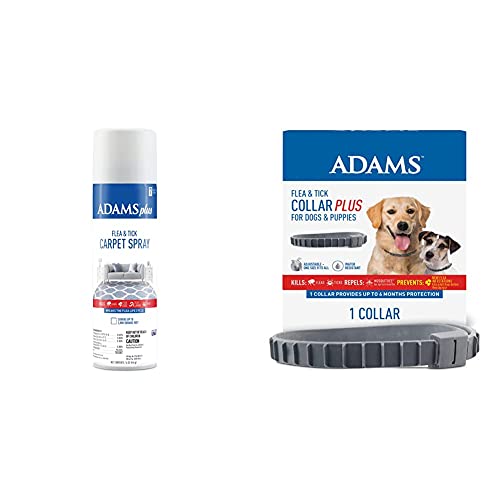
Adams Plus Carpet Spray + Flea & Tick Collar for Dogs
Adams
Mid-Range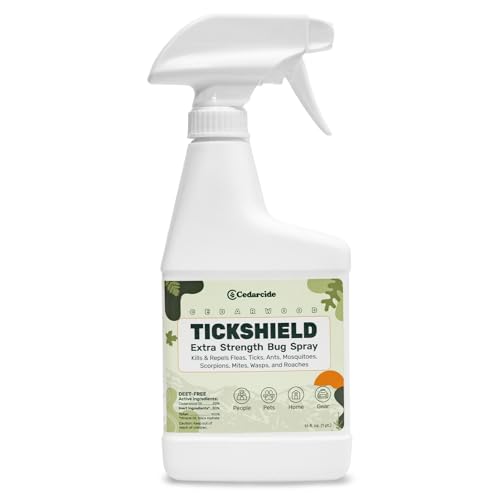
Tickshield Extra-Strength Bug Spray (Pint) Cedarcide
Cedarcide
Mid-Range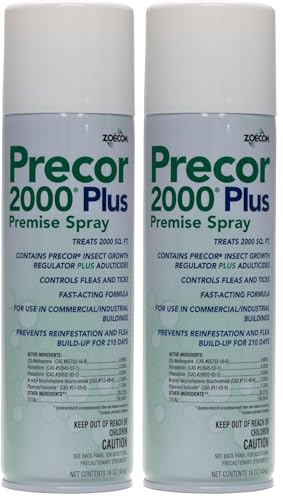
Precor 2000 Plus Premise Spray Flea Control (2 cans) ZOE1012
ZOECON
Mid-Range
Cedarcide Original Bug Spray with natural cedar oil
Cedarcide
Mid-Range
Cedarcide Tick & Mosquito Repellent - Deep Woods Cedar Oil
Cedarcide
Mid-Range
Flea|Tick Protect Spray - Lavender (32oz) kin+kind
kin+kind
Budget
Premo Guard Pet Protector Spray for Dogs & Cats (32 oz)
Premo Guard
Budget
Cedarcide Tickshield Kit: Cedar Oil Spray for ticks, fleas, chiggers & mosquitoes
Cedarcide
Mid-Range
Wondercide Flea, Tick & Mosquito Spray for Pets and Home
Wondercide
Premium
Raid Flea Killer for home and on your dog (1 lb pack of 6)
Raid
Mid-Range
Raid Flea Killer 16 oz (Pack of 3)
Raid
Mid-Range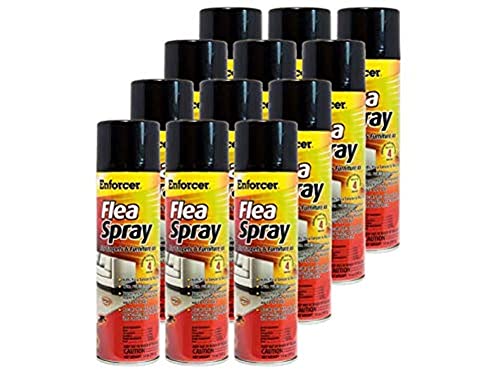
Enforcer Flea Spray for Carpets & Furniture 14 oz (Case of 12) ENFS14
Enforcer
Premium
Premo Guard Pet Protector Spray
Premo Guard
PremiumRoundups
Frequently Asked Questions
How do I choose the right flea spray for my dog?
Choose a spray based on your dog's weight and age, the active ingredients (e.g., pyrethrins, permethrin for clothing/area use only, or natural botanicals), whether you need immediate knockdown versus long-term prevention, and any sensitivities or allergies your dog has; always follow label age/weight restrictions and consult a vet for puppies, pregnant or medically treated pets
Are natural or botanical flea sprays as effective as chemical options?
Botanical sprays (e.g., cedar, essential oil blends) can repel and reduce fleas for some pets but often provide shorter residual protection than veterinary insecticides; effectiveness varies by formulation, so expect more frequent reapplication and monitor your dog and home for persistent infestation
Can I use the same flea spray on my dog and around the house?
Not always—some sprays are formulated for topical use on pets, while others are for surfaces or bedding; check the label to confirm intended use and safety, and avoid using products intended only for home or lawn directly on animals
How often should I reapply a flea spray to maintain protection?
Reapplication frequency depends on the product: many sprays recommend reapplying every 7–30 days, while some natural formulations may need weekly application; follow the product label for timing and avoid exceeding maximum application limits
Are flea sprays safe for puppies, senior dogs, or dogs with health conditions?
Safety varies by active ingredient and product; some sprays are not labeled for puppies under a certain age, pregnant or lactating dogs, or animals with preexisting conditions—consult the product label and your veterinarian before use
What should I do if my dog has a reaction after using a flea spray?
If you notice redness, excessive drooling, vomiting, tremors, or breathing difficulty, stop use immediately, bathe the dog with mild soap and water to remove residue, and contact your veterinarian or an emergency clinic promptly; bring the product label if possible
How do flea sprays fit into a comprehensive flea control plan?
Use sprays as one component alongside regular veterinary-recommended preventives (oral/topical treatments), vacuuming, washing bedding, and treating indoor/outdoor environments as needed; integrated approaches reduce infestation risk and reliance on frequent spot treatments