Dog Hip & Joint Care
Top Products

Nutramax Cosequin for Dogs Joint Health Supplement
Nutramax Laboratories
Budget
Nutramax Cosequin Plus MSM Chewable Tablets
Nutramax Laboratories
Mid-Range
Zesty Paws 8-in-1 Bites for Dogs + Hemp Seed
Zesty Paws
Budget
Doggie Dailies Hip & Joint Supplement for Dogs (Chicken) 225 Chews
Doggie Dailies
Mid-Range
VetriScience Healthy Spine & Disc Capsules for Dogs
VETRISCIENCE
Budget
NaturVet Glucosamine DS Hip & Joint Support for Dogs & Cats
NaturVet
Budget
LOOBANI Portable Dog Sling for Back Legs & Hip Support
LOOBANI
Mid-Range
The Missing Link Hip & Joint + Probiotics Dog Supplement
The Missing Link
Budget
Liquid Glucosamine for Dogs Bacon Flavour & Chondroitin Supplement
LEGITPET
Budget
Doggie Dailies Senior Hip & Joint Chews for Dogs (Duck) 120
Doggie Dailies
Mid-Range
Doggie Dailies Hip & Joint Chews for Dogs - Glucosamine Chondroitin
Doggie Dailies
Mid-Range
Adjustable Dog Lift Harness for Large Dogs
PICK FOR LIFE
Budget
Pet Honesty Hip & Joint Turmeric Health - Joint Support for Dogs
Pet Honesty
Budget
NaturVet ArthriSoothe-Gold Level 3 joint supplement for dogs and cats
NaturVet
Budget
NaturVet Glucosamine DS Plus Hip & Joint Support for Pets
NaturVet
Mid-Range
Turmeric Curcumin for Dogs with Collagen & Fish Oil
Coco and Luna
Budget
NaturVet Senior Advanced Joint Health Dog Supplement
NaturVet
Budget
Glucosamine Dog Treats with Omega-3 – Joint Support Chews
STRELLALAB
Budget
Zesty Paws Dog Hip & Joint Supplement - Glucosamine, Chondroitin, MSM, Vitamins C & E
Zesty Paws
Budget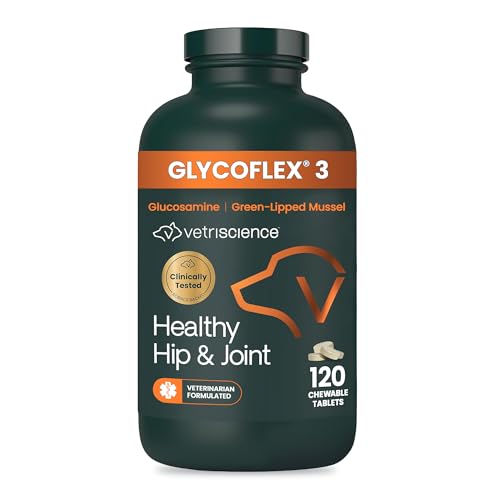
VetriScience Extra Strength Healthy Hip & Joint Chewable Tablets for Dogs
VETRISCIENCE
Mid-Range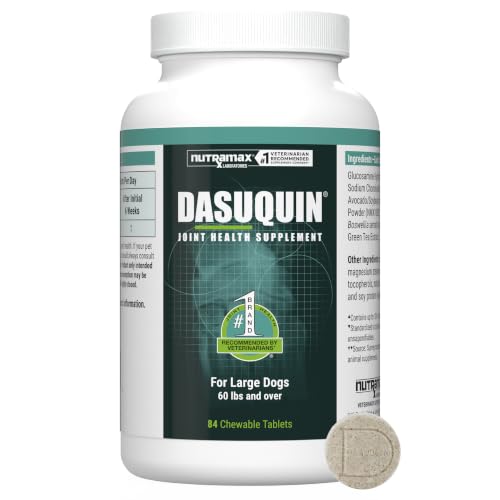
Nutramax Dasuquin for Large Dogs – Joint Health Chewables
Nutramax Laboratories
Mid-Range
Hip & Joint Health Glucosamine for Dogs Soft Chews
Pet Honesty
Budget
Dasuquin for dogs joint health soft chews (small–medium) 84 ct
Nutramax Laboratories
Mid-Range
Cosequin DS Double Strength Chewables for Dogs (132 ct)
Nutramax Laboratories
BudgetRoundups
Frequently Asked Questions
What types of hip and joint products are available for dogs and how do they differ?
Common types include oral supplements (glucosamine, chondroitin, MSM, omega-3s), prescription joint medications, joint-support chews, topical gels, and orthopedic aids (beds, ramps, braces). Supplements aim to support cartilage and inflammation over time, prescription meds target pain and inflammation more quickly, and orthopedic aids reduce joint strain mechanically
Are there safety concerns or side effects I should watch for with joint supplements?
Most supplements are well tolerated but can cause mild gastrointestinal upset, allergic reactions, or interact with medications (e.g., anticoagulants). Monitor for vomiting, diarrhea, changes in appetite, or unusual behavior and consult your veterinarian before starting supplements, especially if your dog is on other medications or has liver/kidney disease
How long does it take to see results from joint supplements, and when should I consult a vet?
Oral supplements typically require 4–12 weeks to show noticeable improvement; some owners see gradual changes sooner. If your dog has severe pain, sudden worsening, lameness, or no improvement after the expected timeframe, seek veterinary evaluation for diagnostics and possible prescription treatments
What budget should I plan for when buying hip and joint care products?
Prices vary widely by product type and brand; you can find basic supplements and aids under $50, while higher-end or veterinary-prescription products and specialty orthopedic items can go above $100. Average prices for products in this category tend to be in the moderate range, so compare ingredient concentrations and serving size to assess value
Can weight management and exercise help with hip and joint issues, and what exercises are safe?
Yes—maintaining optimal weight reduces joint stress, and low-impact exercise like controlled leash walks, swimming, and physical therapy can improve mobility and muscle support. Avoid high-impact activities or sudden intense exercise for dogs with diagnosed joint disease and consult your veterinarian or a veterinary physical therapist for a tailored plan
How do I evaluate product quality and choose reputable brands?
Check for transparent ingredient lists with dosages, third-party testing or GMP manufacturing statements, veterinary or scientific references when available, and consistent customer feedback on efficacy and tolerability. Prioritize products that disclose amounts of active ingredients rather than proprietary blends