Dog Litter Boxes
Dog litter boxes for dogs and small pets, including indoor pads, washable trays, and enclosed or training designs for odor control and housebreaking. The category indexes 43 products averaging a 4.24 rating, with prices from $33 to $290 (avg ~(price varies)) and brands like HQ4US 4LEGS represented
Top Products

Pet Genie Pail: Dog Waste Disposal System
Pet Genie
Mid-Range
TidyFriend Pee Pad Holder Tray 30x36 in
Skywin
Budget
HQ4US Dog Grass Pad with Tray Small 23 x 16 in
HQ4US 4LEGS
Mid-Range
Dog Grass Pad with Tray, 34''x23'' Large Indoor Potty
HURENTEK
Mid-Range
Dog Grass Mat with Pee Pad 3223" Indoor/Outdoor Litter Box
Annexfun
Budget
Dog Grass Mat with Pee Pad – Indoor/Outdoor Litter Tray
Annexfun
Budget
Dog Grass Pad with Tray for Indoor Potty (23" x 17")
HURENTEK
Mid-Range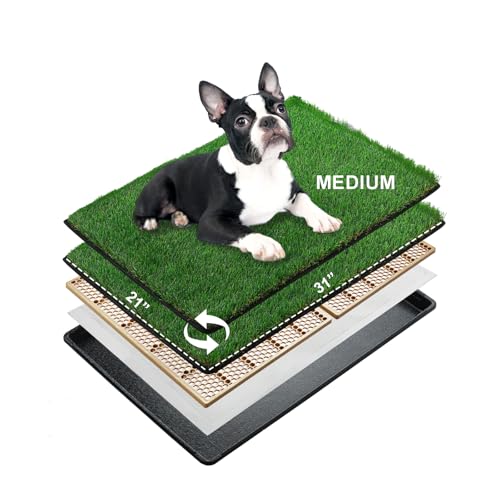
MEEXPAWS Dog Grass Pee Pads with Tray, Medium
MEEXPAWS
Mid-Range
Extra Large Dog Litter Box Pan Tray (ABS) - Low Entry
Blaucasa
Mid-Range
LOOBANI Dog Grass Pads 59.1x39.4 in with Drainage
LOOBANI
Mid-Range
HQ4US Dog Grass Pad with Tray Medium Litter Box
HQ4US 4LEGS
Mid-Range
HQ4US Dog Grass Pad Litter Box with Tray, Large 34"
HQ4US 4LEGS
Mid-Range
MEEXPAWS Dog Grass Pee Pads with Tray, Large 34.23 in
MEEXPAWS
Mid-Range
Dog grass pad with tray 25x20 in dog potty
ELLOTY
Budget
PAWZIDEA wall-mounted small dog poop can with odor control
PAWZIDEA
Mid-Range
Extra Large Dog Litter Box Pan Tray (ABS) – Low Entry, Dark Blue
Blaucasa
Mid-Range
Dog Grass Pad with Tray - 35x24 Large Indoor/Outdoor Litter Box
Pawaboo
Mid-Range
Dog Grass Pad with Foldable Litter Box (Large) 2-Pack
HQ4US 4LEGS
Mid-Range
Hompet dog grass pads for potty training, artificial turf mat 28x18
Hompet
Budget
Hompet Indoor Dog Potty Grass Pad with Tray
Hompet
Mid-Range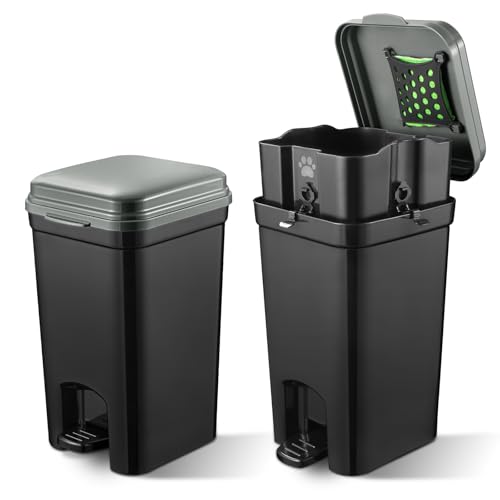
Pet litter trash can with lid, pedal, 1.32 gal (ABS)
Mounting UP
Budget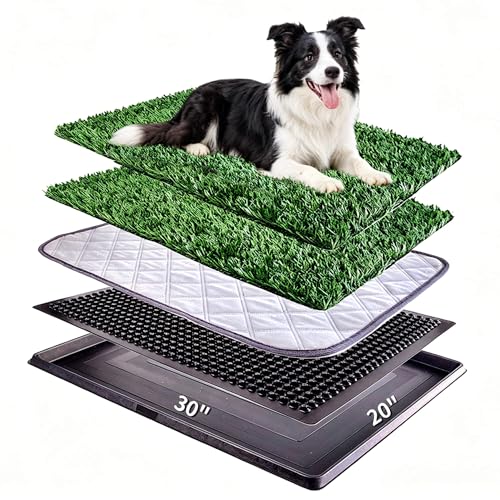
Dog grass pad with tray 30"x20" for indoor/outdoor potty
ELLOTY
Mid-Range
Artificial Grass Pad with Tray for small dogs
ELLOTY
Budget
Large dog potty tray with mesh floor for indoor use
KOLA PANDA
Mid-RangeRoundups
Frequently Asked Questions
How do I choose the right size and style of dog litter box for my pet?
Measure your dog’s length and height and choose a box with enough interior space for turning and digging; open-top, high-sided, and enclosed styles each suit different behaviors—open for easy access, high-sided to reduce scatter, and enclosed for privacy and odor control
What features should I look for to make cleaning and maintenance easier?
Look for removable or lift-off tops, nonstick or smooth interior surfaces, rounded corners, and models compatible with liners or trays; some designs include pull-out drawers or detachable components to speed scooping and disinfecting
Are there specific litter types that work best with dog litter boxes?
Many owners use clumping or pellet-style litters designed for odor control and low tracking; choose a litter labeled safe for dogs, absorbent, and low-dust, and avoid cat-specific litters with additives that may irritate dogs
How do I train my dog to use a litter box indoors?
Start by placing the box in a quiet, consistent spot, reward the dog for using it, keep a regular schedule for meals and bathroom breaks, and gradually move the box closer to the final desired location while reinforcing successful use with praise or treats
What size and weight limits should I consider for different dog breeds?
Check manufacturer recommendations for maximum weight and entry dimensions; smaller breeds need lower entry lips and compact interiors, while medium-to-large breeds require sturdier, larger boxes with reinforced construction and higher capacity
How often should I clean and replace the litter and the box itself?
Scoop waste daily, replace absorbent litter according to manufacturer guidance (often weekly to monthly depending on use), deep-clean the box with mild soap and water every 1–2 weeks, and replace the box if it shows cracks, persistent odors, or structural wear
What safety and durability materials should I look for in a dog litter box?
Choose boxes made from thick, non-toxic plastics or coated metals that resist cracking and odors; avoid sharp edges, small removable parts that can be chewed, and materials that degrade with repeated cleaning or sunlight exposure