Dog Milk Replacers
This category covers powdered and liquid dog milk replacers formulated for orphaned or supplemental feeding of puppies and small breeds, including veterinary and formula varieties. Fourteen products average a 4.62 rating and span budget to mid‑range prices, with brands like PetAg commonly represented
Top Products
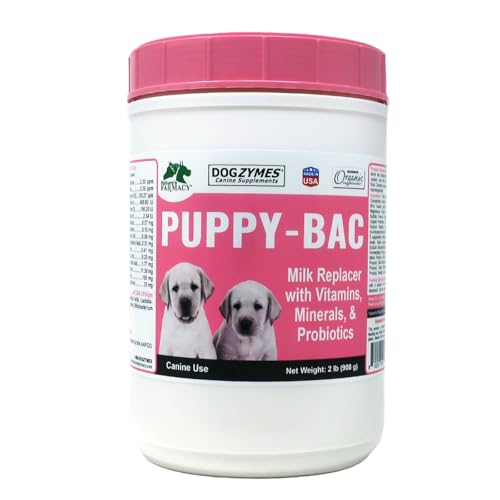
Dogzymes Puppy-Bac Milk Replacer with Live Microorganisms
Dogzymes
Budget
UniMilk Multi-Species Milk Replacer for Puppies (9 lb)
Manna Pro
Mid-Range
Native Pet Goat Milk Powder for Dogs & Cats
Native Pet
Mid-Range
Dogzymes Whelping Kit with Calcium, Probiotic, fading puppy & milk replacer
Dogzymes
Mid-Range
Zesty Paws Puppy Milk Replacer + Colostrum - milk replacement powder for dogs
Zesty Paws
Budget
Esbilac Puppy Milk Replacer Powder for Newborn to 6 Weeks
PetAg
Mid-Range
Dogzymes Puppy-Bac Milk Replacer for Growing Puppies
Dogzymes
Mid-Range
Breeder's Edge Foster Care GM Goat Milk Based Formula for Puppies & Kittens
Revival Animal Health
Mid-Range
Esbilac Puppy Milk Replacer Liquid - 11 oz, Pack of 4, Ready-to-Feed
PetAg
Mid-Range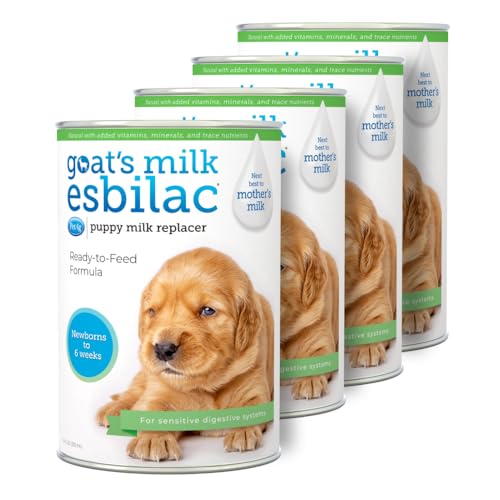
PetAg Goats Milk Esbilac Liquid Puppy Formula 11 oz (Pack of 4)
PetAg
Mid-Range
Suckle Pro Calf Milk Replacer 22% Protein with Probiotics
Manna Pro
Premium
Esbilac Puppy Milk Replacer Powder 5 lb
PetAg
Premium
Shelters Choice Puppy Milk Replacer 8 lb
Revival Animal Health
Premium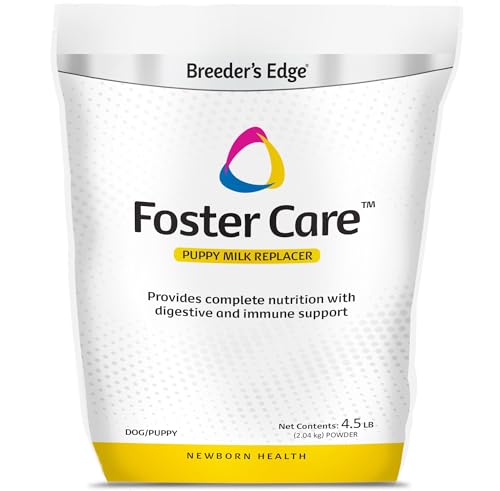
Breeder's Edge Foster Care Canine Milk Replacer (4.5 lb)
Revival Animal Health
PremiumRoundups
Frequently Asked Questions
How do I choose the right dog milk replacer for newborn puppies?
Choose a replacer formulated specifically for puppies with complete nutrition (appropriate protein, fat, vitamins, and minerals), check that it's labeled for neonatal use, and pick the form you can prepare safely (powder or ready-to-feed) while following manufacturer feeding guides for age and weight
Can I use cow's milk or regular milk for orphaned puppies instead of a replacer?
No; cow's milk and most household milks lack the correct balance of nutrients and can cause diarrhea and poor growth—use a vet-recommended puppy milk replacer designed to match canine milk composition
What feeding equipment and hygiene practices are needed when using a milk replacer?
Use sterilized bottles or feeding syringes sized for puppies, warm formula to body temperature before feeding, clean and sterilize equipment after each use, and discard unused prepared formula within the time recommended by the product
How often and how much should newborn puppies be fed with a replacer?
Newborns typically need feeding every 2–4 hours, with volumes based on weight and age per the replacer’s instructions; consult a veterinarian to establish an exact schedule and volume for individual puppies
Are there differences between powdered and ready-to-feed milk replacers?
Yes—powdered formulas are more compact and need mixing with water, while ready-to-feed products are convenient and reduce preparation errors; both need proper storage and handling and should be chosen based on convenience, cost, and storage capacity
What should I watch for that indicates a puppy is not tolerating a milk replacer?
Signs include persistent diarrhea, vomiting, poor weight gain or weight loss, excessive gas, or lethargy; stop the product and consult a veterinarian if these problems occur
How does price vary for dog milk replacers and what should I expect when budgeting?
Prices span from lower-cost powdered options (often under $50) to higher-cost specialty or ready-to-feed products; budget decisions should weigh per-feed cost, storage needs, and whether formulas are fortified for special needs