Dog Probiotic Supplements
Dog probiotic supplements for dogs include chewables, powders, capsules, and enzyme blends formulated to support digestive and immune health. The category spans budget to premium options (about $32–$154, avg $51) with 112 products and an average rating of 4.40; notable brands include PetLab Co. and Dogzymes
Top Products
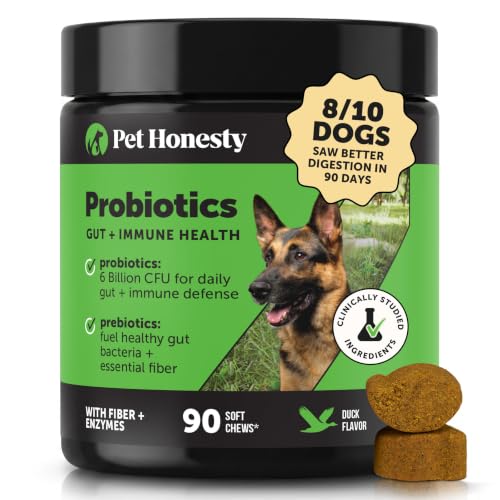
Pet Honesty Probiotics for Dogs – Digestive Enzymes & Fiber (Duck, 90 ct)
Pet Honesty
Budget
VetOne Advita Probiotic for Dogs (2pack) 60ct
Vet One
Mid-Range
Nusentia Probiotics for Dogs - Probiotic Miracle (360 Scoops)
Nusentia Probiotic Miracle
Mid-Range
NaturVet Advanced Probiotics & Enzymes PB6 for Pets
NaturVet
Mid-Range
Doggie Dailies Probiotics for Dogs - Pumpkin Flavor (225 Soft Chews)
Doggie Dailies
Budget
PetLab Co. Probiotics for Dogs – Salmon Flavor, 30 Soft Chews
PetLab Co.
Budget
PetLab Co. Probiotics for Dogs – Digestive & Seasonal Allergy Support
PetLab Co.
Budget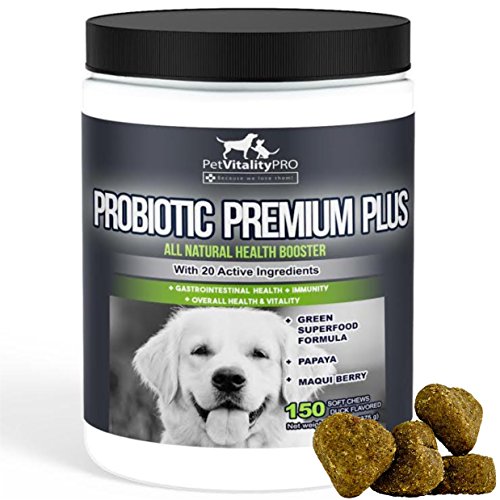
Probiotics for Dogs with Digestive Enzymes 4 Bill CFUs/2 Soft Chews
PetVitalityPRO
Mid-Range
Nutramax Proviable Probiotics for Dogs (60 chewables)
Nutramax Laboratories
Mid-Range
NaturVet Probiotics & Enzymes Plus PB6 for Pets (1 lb)
NaturVet
Mid-Range
Probiotics for Dogs 22-species digestive support
PetUltimates
Budget
Bene-Bac Probiotic Gel for Dogs 3-pack 15g
Bene-Bac
Budget
Max Strength Probiotics for Dogs with Digestive Support
Pet Honesty
Mid-Range
VetriScience Gut Health Chews for Dogs – Probiotic Digestive Supplement
VETRISCIENCE
Mid-Range
Doggie Dailies Probiotics for Dogs - Duck flavor with prebiotics
Doggie Dailies
Mid-Range
Probiora for Dogs probiotic supplement for oral care
ProBiora Health
Budget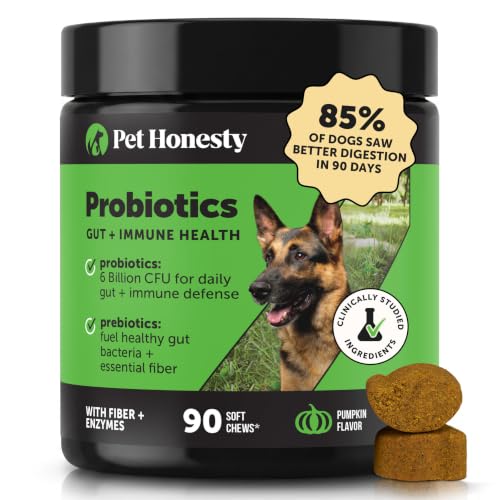
Pet Honesty Probiotics for Dogs with Digestive Probiotics
Pet Honesty
Budget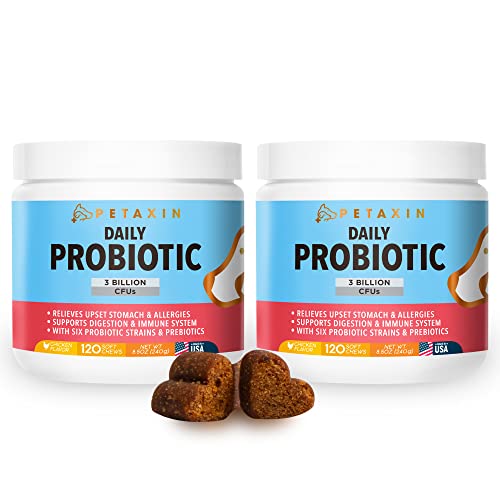
Probiotics for Dogs with Prebiotics - 6 Strains, 240 chews
Petaxin
Mid-Range
Animal Essentials Plant Enzyme & Probiotics for dogs & cats
Animal Essentials
Mid-Range
Vetnique Glandex Daily Probiotics for Dogs with Prebiotics
Vetnique
Budget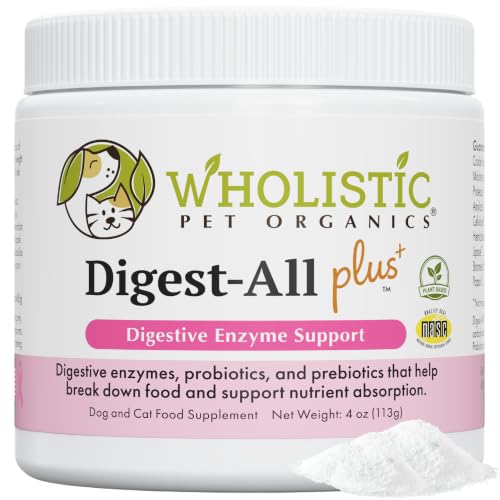
Wholistic Pet Organics Probiotics for Dogs with Digestive Enzymes & Prebiotic Fiber
Wholistic Pet Organics
Mid-Range
Native Pet Probiotics for Dogs - Vet-Formulated Digestive Health Powder
Native Pet
Mid-Range
Fortiflora Probiotic Chews for Dogs – Digestive Health (45 ct)
Fortiflora
Mid-Range
Finn Digestive Probiotics for Dogs with Pumpkin & Prebiotics
Finn
BudgetRoundups
Frequently Asked Questions
How do I choose the right probiotic for my dog's size and age?
Look for products that specify CFU (colony-forming units) per serving and provide dosing guidelines by weight or life stage; puppies often need lower or specially formulated strains, while larger or adult dogs may require higher CFU counts. If your dog has specific health issues or is on medication, consult your veterinarian to match strain types and dosages to their needs
Which probiotic strains are most useful for common dog gut issues?
Commonly studied and used strains for dogs include Enterococcus faecium, various Bifidobacterium and Lactobacillus species, and Bacillus coagulans; these strains are associated with supporting digestion and stool consistency. Look for products that list strain names and CFU amounts rather than only marketing terms like 'probiotic blend.'
Should I choose a chew, powder, capsule, or paste form?
Choose a form based on ease of administration and stability: chews and treats are convenient for picky dogs, powders mix into food for flexible dosing, capsules/paste offer precise dosing, and some powder or capsule formulas may be more shelf-stable. Verify storage instructions—some require refrigeration while others are shelf-stable—and pick what fits your feeding routine
How long does it take to see results, and how should I evaluate effectiveness?
Improvements in stool consistency or reduction in gas may be seen within a few days to a few weeks; fuller changes in gut health can take 4–6 weeks. Track objective measures such as stool frequency/quality, appetite, energy level, and any veterinarian observations to determine effectiveness
Are there safety concerns or interactions with other medications?
Probiotics are generally well tolerated but can interact with immunosuppressive drugs or be inappropriate for dogs with severe immune compromise; always inform your veterinarian about current medications and conditions. Monitor for mild side effects like gas or loose stools during initial use and stop and consult a vet if severe reactions occur
How do price and product labeling relate to quality?
Higher price does not guarantee better results; assess quality by checking for clear strain identification, CFU per serving at time of manufacture or guaranteed through expiration, third-party testing, and appropriate storage instructions. Many effective options exist across price ranges, so focus on transparent labeling and independent verification rather than price alone
Do probiotics need refrigeration and how should I store them?
Storage requirements vary: some dog probiotics are shelf-stable while others require refrigeration to maintain viability, and temperature-sensitive forms should be kept according to the label. Store away from heat and humidity, and follow the manufacturer's expiration or 'use by' guidance to preserve potency