Dog Treat Cookies, Biscuits & Snacks
This category covers dog cookies, biscuits, and small-bite snacks for training, dental care, and everyday rewards, including grain-free and functional formulations. It aggregates 628 products with an average rating of 4.47 and price tiers from budget to premium; notable brands include ValueBull and Greenies
Top Products
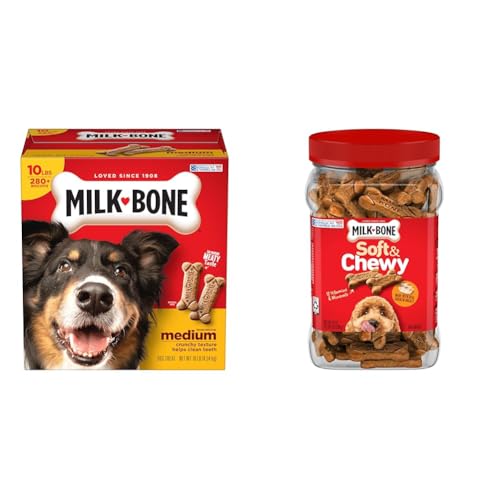
Milk-Bone Original Biscuits & Soft & Chewy Chicken Treats Bundle
Milk-Bone
Budget
Milk-Bone dog treats bundle: original biscuits + soft & chewy treats
Milk-Bone
Budget
Milk-Bone MaroSnacks Dog Treat Bundle
Milk-Bone
Budget
Greenies Original Petite Dental Dog Treats, 27 oz (45 treats)
Greenies
Budget
Milk-Bone Flavor Snacks Minis Bundle (36 oz + 2 refills)
Milk-Bone
Budget
Triple Flavor Kabobs Chews for Dogs
Good'n'Fun
Mid-Range
Greenies Veterinarian-Recommended Adult Natural Dental Dog Treats – Original
Greenies
Budget
Canine Carry Outs Burger Minis Beef Treats - 6x22.5oz
Canine Carry Outs
Budget
Canine Carry Outs Sausage Links Dog Treats (22.5 oz x 6)
Canine Carry Outs
Budget
Greenies Original Large Dental Dog Treats
Greenies
Budget
Canine Carry Outs Bacon & Cheese Dog Treats (22.5 oz x6)
Canine Carry Outs
Budget
Blue Buffalo Bits Soft Dog Treats for Training, 19-oz Variety Pack (2 ct)
Blue Buffalo
Mid-Range
Milk-Bone Gravy Bones Dog Treats (3x60oz) with 4 gravy flavors
Milk-Bone
Budget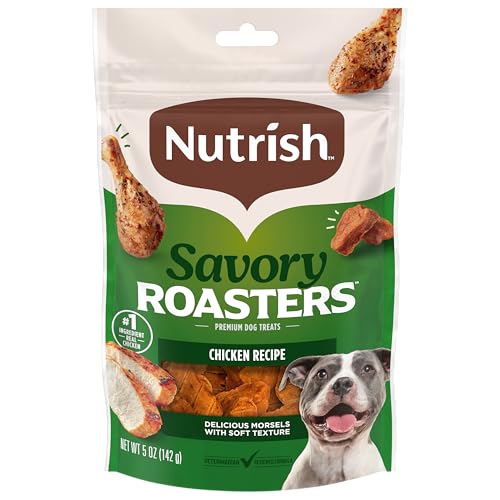
Nutrish Savory Roasters Chicken Recipe Dog Treats, 5 oz pouch (5 count)
Nutrish
Budget
Greenies Original Petite Dental Dog Treats – 54 oz
Greenies
Mid-Range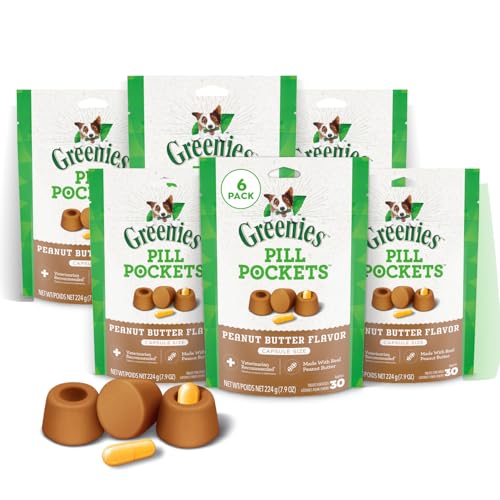
Greenies Pill Pockets for Dogs Large — Soft Treats (Cheese Flavor) 6 x 7.9 oz
Greenies
Mid-Range
Milk-Bone Original Brushing Chews for dogs 7-1 oz bags (45 bones)
Milk-Bone
Budget
Greenies Anytime Bites Dog Treats Original Flavor, 24 oz
Greenies
Budget
Greenies Blueberry Flavored Dog Treats, 24 oz
Greenies
Budget
Greenies Pill Pockets for Dogs, Small Size, Cheese Flavor (6x3.2 oz)
Greenies
Mid-Range
Greenies Vet-Recommended Natural Dental Dog Treats Teenie Size
Greenies
Mid-Range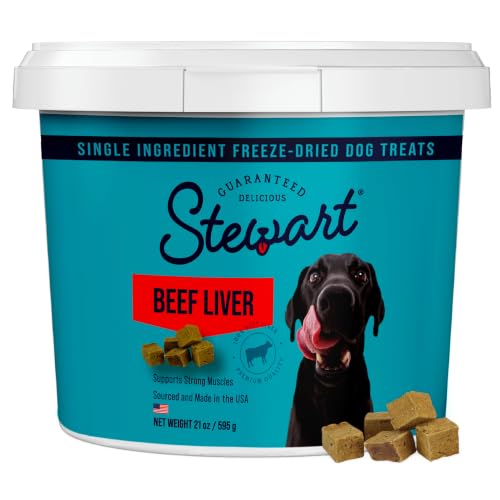
Stewart Freeze-Dried Beef Liver Dog Treats, 21 oz
Stewart
Budget
Fruitables Pumpkin & Sweet Potato Dog Treats – 7 oz pouches
Fruitables
Mid-Range
Pupford Freeze Dried Training Treats for Dogs & Puppies (Salmon), 1400+ Two-Ingredient Bites, 4 oz
Pupford
Mid-RangeRoundups
Frequently Asked Questions
How do I choose the right type of dog treat (cookie, biscuit, soft snack) for my pet?
Pick based on your dog’s age, dental health, and chewing style: soft treats for puppies, seniors, or dogs with missing teeth; crunchy biscuits or dental cookies for strong chewers and plaque control; and small training-size cookies for frequent rewards. Check ingredient lists for allergens and avoid treats with excessive fats, sugars, or artificial additives if your dog has sensitivities
What should I look for on the ingredient label to ensure a healthy snack?
Prioritize whole-food sources of protein (e.g., named meat or fish), a short ingredient list, and recognizable components; avoid unspecified meat meals and high amounts of simple sugars, artificial colors, and preservatives. Also review the guaranteed analysis for crude protein and fat, and look for added functional ingredients like glucosamine, fiber, or omega fatty acids if relevant to your dog’s needs
How many treats can I give my dog each day without causing weight gain?
Treat calories should generally make up no more than 10% of your dog’s daily caloric intake. Use the treat’s calorie-per-piece information to portion appropriately and account for size, age, and activity level; for many adult dogs that means a few small training treats or one to three larger biscuits per day
Are grain-free or limited-ingredient treats better for dogs with food sensitivities?
Limited-ingredient treats can help identify and avoid trigger ingredients by reducing the number of components; grain-free treats may be useful if your dog has a diagnosed grain intolerance. However, grain-free is not universally necessary and should be selected based on a veterinarian’s advice and observation of your dog’s symptoms
How can I tell if a treat is suitable for aggressive chewers?
Look for products explicitly labeled for heavy or aggressive chewers, check customer reviews for durability, and choose treats made from tough, dense materials (e.g., baked hard biscuits or dental chews formulated for prolonged chewing). Supervise first-time use to ensure the treat doesn’t splinter or break into hazardous pieces
What storage practices keep dog treats fresh and safe?
Store treats in a cool, dry place in their original resealable packaging or an airtight container to prevent moisture and contamination; for homemade or preservative-free treats, refrigeration can extend shelf life. Discard treats past the manufacturer’s recommended use-by date or if you notice mold, off odors, or textural changes
How do I balance treat ingredients with my dog’s regular diet and health conditions?
Coordinate treats with your dog’s overall diet by choosing complementary nutrient profiles (e.g., low-fat treats for pancreatitis-prone dogs, high-protein treats for active dogs) and adjusting main-meal portions to compensate for treat calories. Consult your veterinarian before introducing new treats if your dog has chronic conditions like diabetes, kidney disease, or severe allergies