Dog Wireless Fences
Wireless containment systems for dogs, including in-ground, wireless, and GPS-based fences plus collars and accessories for boundary training and containment. The category averages a 4.46 rating across 133 indexed products and spans budget through premium options (about $36–$999), with brands like PetSafe commonly represented
Top Products

Underground Fence Wire - 500 ft, 18 gauge, universal compatibility
Extreme Dog Fence
Mid-Range
Extreme Dog Fence Universal Wire for Underground Fences
Extreme Dog Fence
Mid-Range
KONG Wild Knots Bears - Durable Dog Toy (X Large, 2 pack)
KONG
Mid-Range
Abeden B3V 1A Lithium Replacement Batteries for MS-4/MS-5 (18 Pack)
Abeden
Budget
USA Dog Fence Wire for Underground Fences (500 ft) by Extreme Dog Fence
Extreme Dog Fence
Mid-Range
PetSafe wireless receiver collar for dogs
PetSafe
Premium
Perimeter Invisible Fence Collar Battery (4 Pack) – compatible replacement
Perimeter Technologies
Budget
18 gauge wire 1500 ft heavy-duty dog containment wire
Extreme Dog Fence
Premium
Dog Kennel Panel Clamps 1-3/8
Hoqqf
Mid-Range
Extreme Dog Fence 6v Battery for Underground Fence Receivers (5 Pack)
Extreme Dog Fence
Mid-Range
Dog Kennel Panel Clamps for 1-3/8 pipes, galvanized
Hoqqf
Mid-Range
Underground dog fence wire - 2500 ft, 20 gauge, polyethylene-coated
Extreme Dog Fence
Premium
Underground Fence Wire 500 ft, 16 gauge for all fence models
Extreme Dog Fence
Mid-Range
Perimeter Technologies 4-Pack Replacement Batteries for Invisible Fence Receivers
Perimeter Technologies
Budget
GPS wireless dog fence system with rechargeable collar receiver
FOCUSER
Mid-Range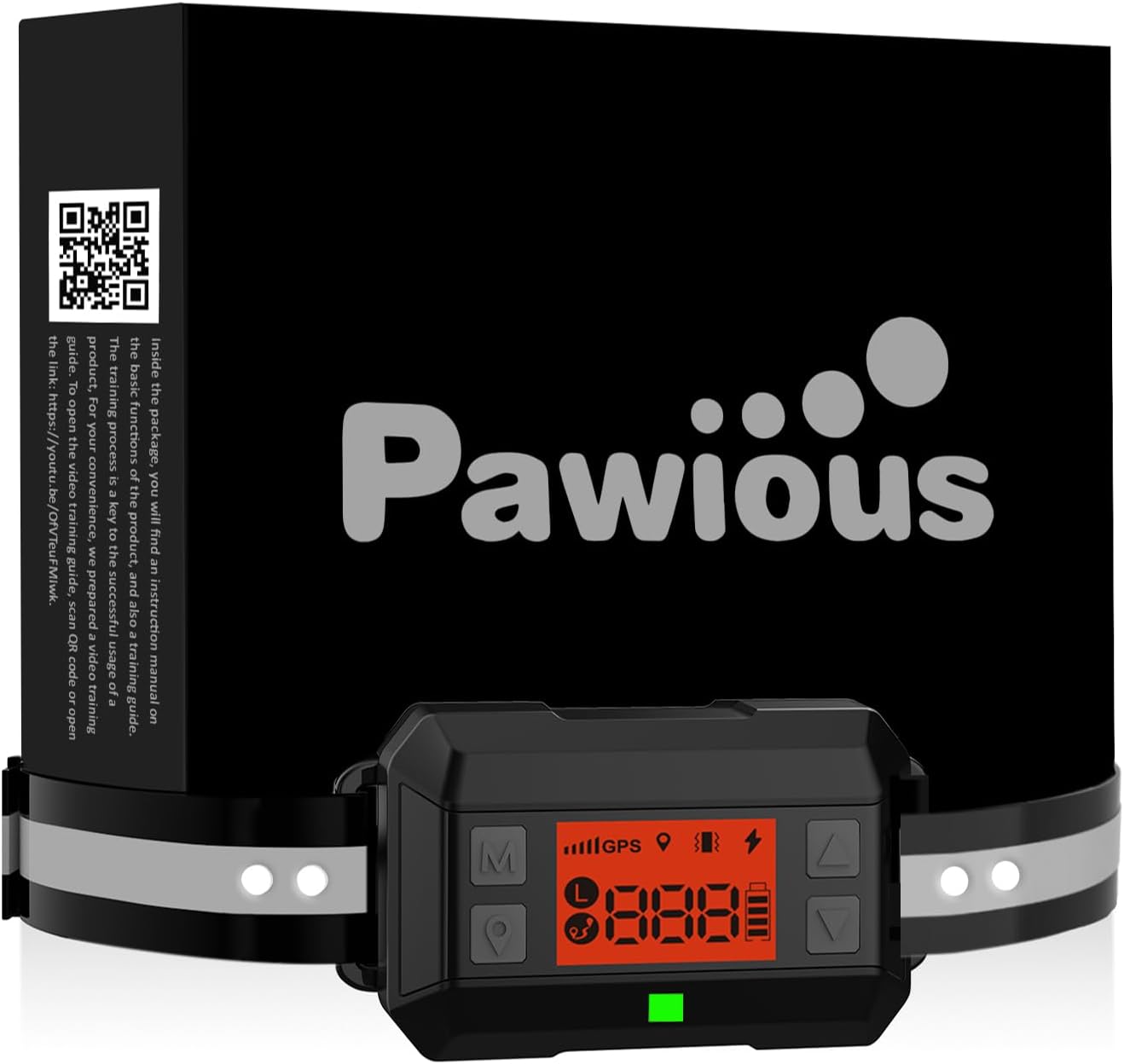
GPS Wireless Dog Fence with AI Scene Recognition (33–1000 yds) - IPX7
Pawious
Premium
Electric Wireless Dog Fence with Adjustable Boundary
SLAYKAM
Premium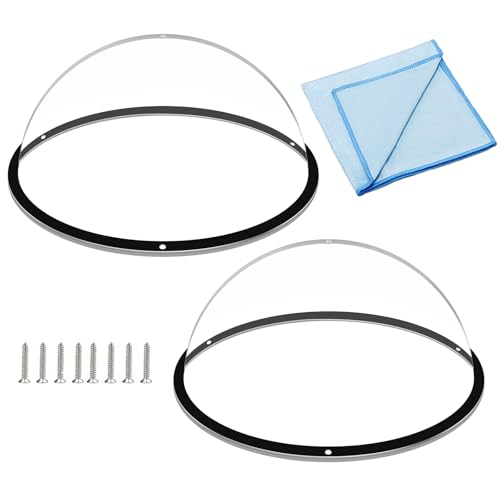
HiCaptain 2 Pack Dog Fence Window with Cleaning Cloth, Clear Acrylic Pet Dome Window
HiCaptain
Mid-Range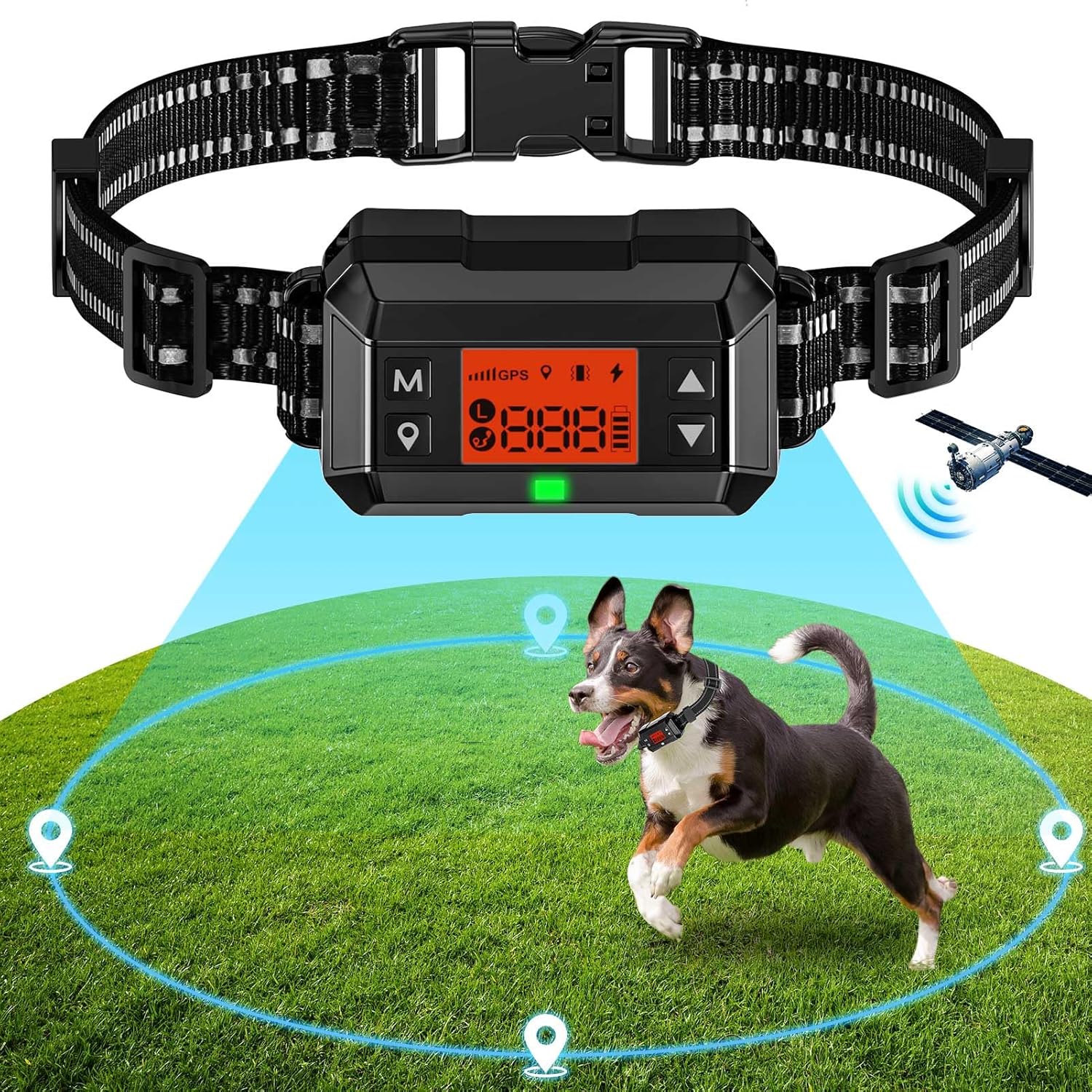
GPS Wireless Dog Fence System with GPS Collar Receiver
WubbaNub
Premium
GPS Wireless Dog Fence System with rechargeable collar
WubbaNub
Premium
PetSafe Ultralight Fence Receiver Collar for In-Ground System
PetSafe
Premium
PetSafe Stubborn Dog In-Ground Fence Receiver Collar
PetSafe
Mid-Range
Wireless Dog Fence System 2-in-1 with Remote Training Collar
zvsay
Premium
GPS Wireless Dog Fence System with Waterproof Collar
FOCUSER
Mid-RangeRoundups
Frequently Asked Questions
How do I choose the right type of wireless dog fence for my yard and dog?
Choose based on yard size/shape, dog temperament, and whether you prefer an in-ground boundary (wire-based) or a radio-based system (no buried wire). Match the transmitter range to your yard dimensions, pick a receiver collar suitable for your dog’s weight and neck size, and ensure adjustable correction levels and training modes for temperament differences
What safety features and correction methods should I look for?
Look for systems offering multiple correction modes (tone, vibration, adjustable static stimulation levels) and progressive or automatic cutout to prevent excessive correction. Waterproof, low-voltage collars, and firmware or safety certifications are also important for reliable operation and pet safety
How much do wireless dog fences typically cost and what affects price?
Prices vary widely; budget models start under $50 while advanced systems with larger ranges, multiple collars, or subscription services can cost several hundred dollars, with an average around the low hundreds. Price differences reflect range, number of collars supported, build quality, customization, and brand features
Can wireless fences work on uneven or heavily landscaped properties?
Radio-based wireless systems create a roughly circular or oval boundary around the transmitter and may be limited by terrain, metal structures, or dense vegetation; wire-based systems allow custom-shaped boundaries to accommodate irregular or multi-zone yards better
How do I train my dog to use a wireless fence effectively?
Use a stepwise training plan: introduce the boundary with flags or markers, pair warning cues (tone/vibration) with a visible marker, reward the dog for returning inside the boundary, and gradually remove visual cues only after reliable responses. Training typically takes days to weeks depending on the dog
What maintenance and battery considerations should I expect?
Check and replace or recharge receiver collar batteries regularly per manufacturer guidance, inspect collars and contacts for corrosion, ensure the transmitter remains dry and powered, and test the system periodically to confirm boundary strength and correction settings
Will a wireless fence work for multiple dogs or dogs with different sizes/temperaments?
Many systems support multiple collars but confirm the maximum number supported and whether collar settings are individually adjustable; choose collars sized for each dog’s neck and with adjustable correction levels to accommodate different sizes and behavioral needs