Dry Dog Food
Dry dog food options for daily canine nutrition, including kibble formulations for puppies, adults, and special dietary needs. This category indexes 1,458 products across budget through premium price tiers (average ~(price varies)) and features brands like Blue Buffalo and Hill's Science Diet. Average customer rating is 4.53
Top Products

Hill's Science Diet Small & Mini Adult 1-6 Dry Dog Food
Hill's Science Diet
Mid-Range
Blue Buffalo Life Protection Adult Dry Dog Food – Chicken & Brown Rice, 15-lb
Blue Buffalo
Mid-Range
Taste of the Wild High Prairie Grain-Free Dry Dog Food with Roasted Bison & Venison
Taste of the Wild
Mid-Range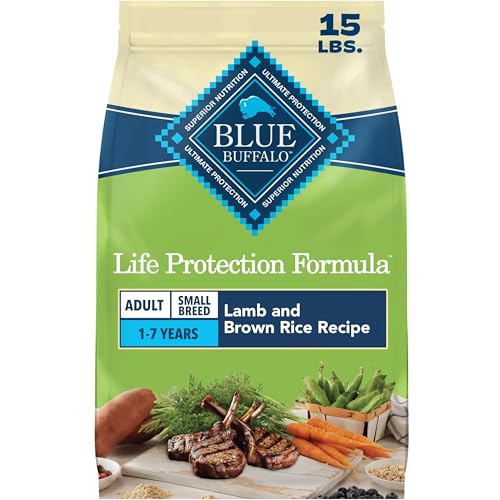
Blue Buffalo Life Protection Formula Small Breed Dry Dog Food
Blue Buffalo
Mid-Range
Blue Buffalo Life Protection Formula Adult Small Breed Dry Dog Food
Blue Buffalo
Mid-Range
IAMS Proactive Health Minichunks Adult Dry Dog Food with Real Chicken
IAMS
Mid-Range
Purina ONE Small Bites Beef & Rice Dry Dog Food (4 lb)
Purina ONE
Mid-Range
Diamond Naturals Light Dry Dog Food with Lamb
DIAMOND NATURALS
Budget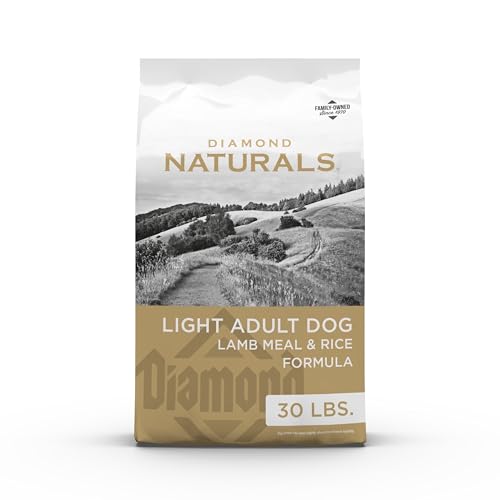
Light Adult Dog Lamb Meal & Rice Formula
DIAMOND NATURALS
Mid-Range
Hill's Science Diet Adult 1-6 Small Kibble Lamb & Brown Rice Dry Dog Food
Hill's Science Diet
Mid-Range
Taste of the Wild Southwest Canyon Grain-Free Dry Dog Food
Taste of the Wild
Mid-Range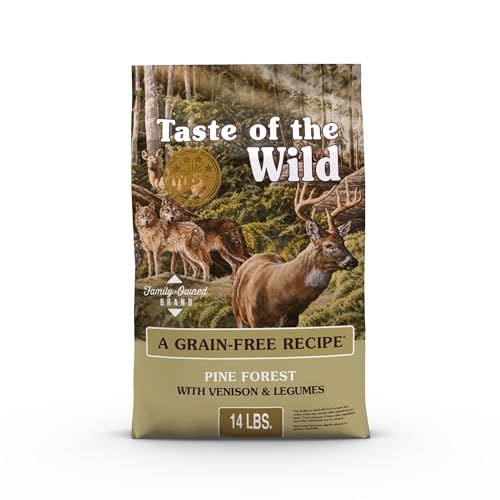
Taste of the Wild Grain Free High Protein Venison Dry Dog Food
Taste of the Wild
Mid-Range
Taste of the Wild Pacific Stream Salmon Dry Dog Food
Taste of the Wild
Mid-Range
Taste of the Wild Wetlands Dry Dog Food with Roasted Fowl
Taste of the Wild
Mid-Range
Purina ONE True Instinct Turkey & Venison Dry Dog Food
Purina ONE
Budget
Blue Buffalo Life Protection Formula Adult Dry Dog Food – Fish & Brown Rice
Blue Buffalo
Mid-Range
Purina ONE Healthy Puppy Formula High Protein Dry Puppy Food
Purina ONE
Budget
Taste of the Wild Sierra Mountain Lamb Meal Dry Dog Food
Taste of the Wild
Mid-Range
Purina ONE High Protein Dry Senior Dog Food Plus Vibrant Maturity 7+
Purina ONE
Budget
Blue Buffalo Life Protection Formula Dry Dog Food, Healthy Weight
Blue Buffalo
Mid-Range
Taste of the Wild Wetlands Grain-Free Dry Dog Food with Roasted Fowl
Taste of the Wild
Mid-Range
Hill's Science Diet Adult 1-6 Small Bites Dry Dog Food
Hill's Science Diet
Mid-Range
Purina Pro Plan High Protein Puppy Food - Lamb & Rice 18 lb
Purina Pro Plan
Mid-Range
Purina Pro Plan Lamb & Rice High Protein Dog Food
Purina Pro Plan
Mid-RangeRoundups
Frequently Asked Questions
How do I choose the right dry dog food for my dog's age and size?
Select a formula labeled for your dog's life stage (puppy, adult, senior) and size (small, medium, large breed); these are balanced for calorie density, calcium/phosphorus, and kibble size appropriate to growth, maintenance, or joint needs
What ingredients should I look for or avoid on a dry dog food label?
Look for a named meat source (e.g., chicken, beef, salmon) as a primary ingredient, whole grains or healthy carbohydrate sources if tolerated, and a listed source of omega fatty acids and probiotics; avoid foods with unclear meat-byproduct listings, excessive unnamed fillers, or high levels of added sugars
How can I judge quality and safety across many brands and products?
Use a combination of factors: guaranteed analysis (protein/fat/fiber), AAFCO statement or nutrient adequacy claim, consistent brand-wide recall history, independent lab or veterinary reviews, and average customer ratings to assess consistency and safety
How much should I expect to spend on dry dog food and how does price relate to quality?
Dry dog food prices commonly range from budget options under $50 to premium formulas above $100 for large bags, with many mainstream options around the mid-range; higher price often reflects higher-quality protein, added functional ingredients, or ethical sourcing, but read labels and feeding trials rather than relying on price alone
How do I transition my dog to a new dry food to avoid digestive upset?
Gradually mix increasing proportions of the new food with the current food over 7–10 days, monitor stool quality and appetite, and slow the transition further if you notice vomiting, diarrhea, or reduced eating
Are grain-free dry foods necessary or recommended?
Grain-free diets are appropriate for dogs with diagnosed grain allergies or specific vet-advised conditions, but they are not inherently healthier for all dogs; discuss suspected food sensitivities with your veterinarian because some grain-free diets have been associated with atypical heart conditions in certain cases
What feeding guidelines should I follow to maintain my dog's healthy weight on dry food?
Start with the feeding guide on the package tailored to your dog's weight and activity level, then adjust portions based on body condition score, aiming to maintain palpable ribs with a visible waist, and consult your veterinarian for tailored caloric recommendations or weight-management plans