Electronic Training Collars
Electronic training collars for pet care include remote trainers, vibration/shock modes, and GPS-enabled tracking collars for behavior and recall training. The category spans budget through premium options (about $33–$570, avg $110) with brands like Dogtra frequently represented among 343 indexed products and an average rating of 4.37
Top Products

Dog Training Collar with Remote (Beep, Vibration, Shock) for Dogs
DOG CARE
Mid-Range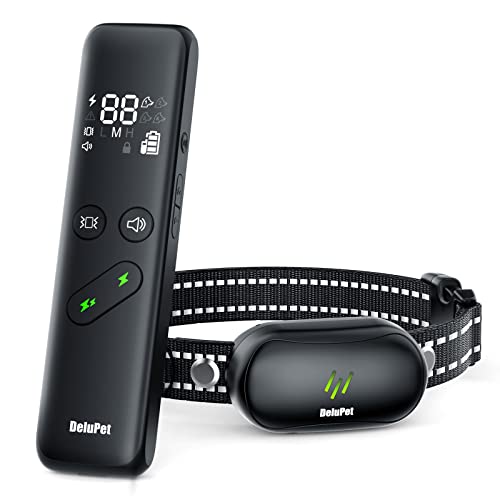
Dog Shock Collar with Remote 1600ft, 3 Training Modes
Delupet
Budget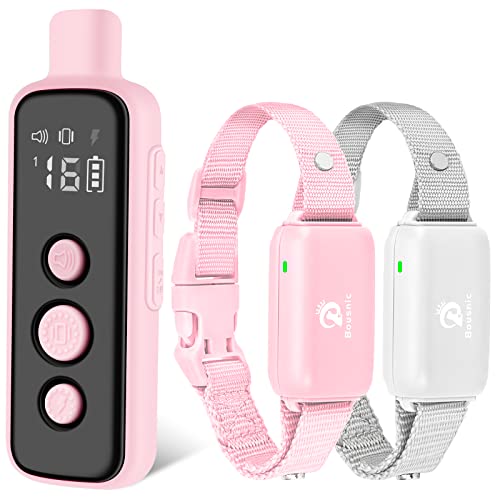
Bousnic 2-Dog Shock Collar, 8-120lbs, Waterproof, Rechargeable
BOUSNIC
Mid-Range
Bousnic Dog Shock Collar with Remote - 3300Ft Range
BOUSNIC
Mid-Range
Bousnic Dog Shock Collar with Remote, 3300ft, 2-dog capable
BOUSNIC
Mid-Range
Bousnic Dog Shock Collar for 2 Dogs (8-120lbs) Purple
BOUSNIC
Mid-Range
INVIROX Dog Training Collar 2026 Edition w remote
INVIROX
Mid-Range
Dog Training Collar for 2 Dogs with Remote (1600ft) and 3 Modes
Delupet
Mid-Range
Bousnic Dog Shock Collar for 2 Dogs (5-120Lbs) with Rechargeable Remote
BOUSNIC
Mid-Range
Bousnic Shock Collar for Dogs - Waterproof Rechargeable Training Collar (8-120 Lbs) Purple
BOUSNIC
Mid-Range
Bousnic Dog Shock Collar – Waterproof Training Collar with Remote
BOUSNIC
Mid-Range
2-in-1 dog training collar with remote
Colofrog
Mid-Range
Educator Winged Ultra Comfort Contact Pad for long-haired dogs
Educator
Budget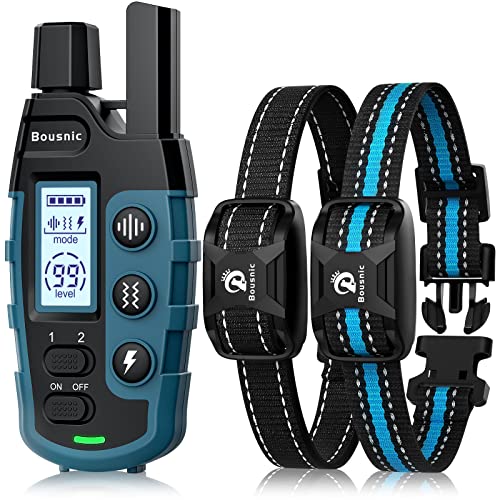
Bousnic 2-Dog Shock Collar, 3300ft, waterproof training collar
BOUSNIC
Mid-Range
2-in-1 Dog Training Collar with Remote & Bark Control
Colofrog
Mid-Range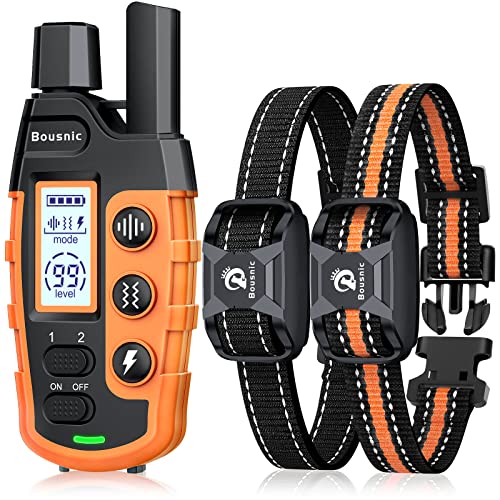
Bousnic Dog Shock Collar 2 Dogs (5-120Lbs) 3300ft Waterproof Training Collar
BOUSNIC
Mid-Range
Dog training collar with remote (2000ft) beeping vibration and shock
BUUOC
Mid-Range
PaiPaitek no-shock vibrating dog collar with remote
PaiPaitek
Mid-Range
2-in-1 Dog Training Collar & Bark Collar
Colofrog
Mid-Range
Jugbow 4200FT Dog Training Collar with Remote
Jugbow
Mid-Range
Bousnic Dog Shock Collar for 2 Dogs (5-120Lbs) with Rechargeable Remote
BOUSNIC
Mid-Range
Dog Training Collar with Remote, 3300ft Range, Waterproof
YJWFHPU
Mid-Range
Dog training collar with 7 modes and remote
SLOPEHILL
Mid-Range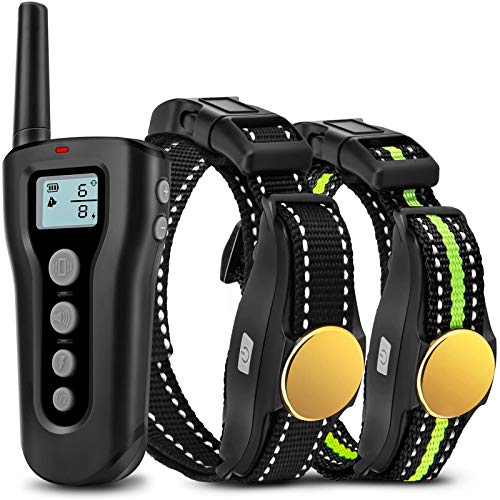
Bousnic Dog Training Collar with 1000ft Remote (2 Dogs) Adjustable
BOUSNIC
Mid-RangeRoundups
- Best Electronic Training Collars for Multi-Dog Households (2026)
- Best Electronic Training Collars for Off-Leash Training (2026)
- Best Electronic Training Collars Under $200 (2026)
- Best Electronic Training Collars Under $100 (2026)
- Best Electronic Training Collars Under $50 (2026)
- Best Electronic Training Collars (2026 Guide)
Frequently Asked Questions
How do I choose the right electronic training collar for my dog?
Match collar type to your training goals and dog size: basic beep/vibration for small or sensitive dogs, static stimulation or progressive levels for strong-willed or large breeds, and combination units if you want tone + vibration + stimulation. Check range, number of channels (for multiple dogs), receiver size/weight, and water resistance rating before buying
Are electronic training collars safe for my pet?
When used correctly by following manufacturer instructions and under positive training methods, electronic collars can be a tool for behavior modification; use the lowest effective level, avoid prolonged or continuous stimulation, and consult a certified trainer or veterinarian for dogs with medical or behavioral issues
What features should I look for based on budget and usage?
Budget models often include tone and vibration; mid-range units add multiple stimulation levels and better range; higher-end collars typically offer long-range remote control, multiple dog channels, rechargeable batteries, and higher water resistance. Prioritize features that match how you'll train (short-range backyard vs. long-range field work)
How do I ensure the collar fits correctly and is comfortable?
The receiver should sit high on the dog's neck under the jawline with contact points touching skin; use the smallest effective contact point length, trim fur if necessary, and check fit daily to prevent chafing—loose enough for normal movement but snug enough to maintain consistent contact
What maintenance and safety checks should I perform regularly?
Regularly charge and inspect batteries, test all remote functions and stimulation levels, check electrodes and straps for wear or corrosion, clean contact points per instructions, and remove the collar for extended periods to inspect skin and prevent irritation
Can electronic collars be used for multiple dogs, and what should I consider?
Many systems support multiple receivers on one transmitter; ensure the transmitter has enough channels, verify simultaneous or individual control modes, match receiver sizes to each dog, and train each dog separately at first to avoid confusion
How do water resistance and range affect real-world use?
Choose a waterproof or water-resistant receiver if your dog swims or trains in wet conditions, and check the specified operational range as real-world range can be reduced by terrain, vegetation, and interference—select a collar with a comfortable margin beyond the distance you expect to work at