Freeze-Dried Cat Food
Freeze-dried cat food includes meat-forward, minimally processed meals and toppers designed to preserve nutrients and aroma, sold in single-ingredient to mixed-recipes. The category of 46 products averages a 4.33 rating, spans about $35–$74 with brands like Vital Essentials represented
Top Products
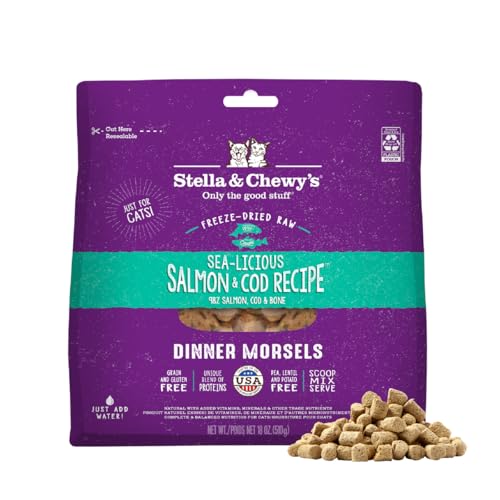
Stella & Chewy's Freeze-Dried Salmon & Cod Cat Dinner Morsels
Stella & Chewy's
Mid-Range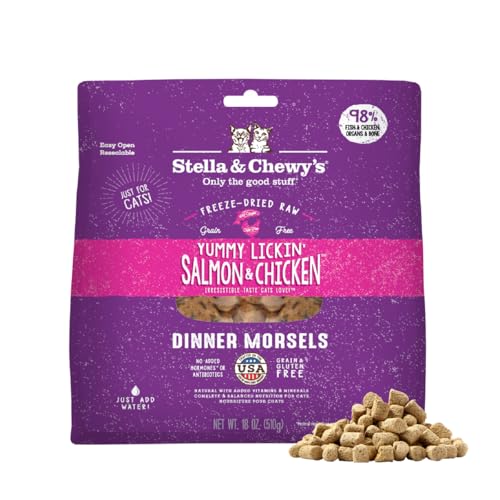
Stella & Chewy's Freeze-Dried Salmon & Chicken Cat Dinner Morsels
Stella & Chewy's
Mid-Range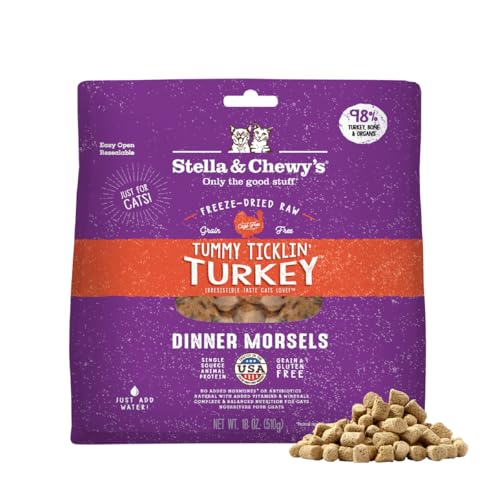
Stella & Chewy's Turkey Recipe Freeze-Dried Cat Dinner Morsels
Stella & Chewy's
Mid-Range
Stella & Chewy's Freeze-Dried Raw Chicken Dinner Morsels for Cats
Stella & Chewy's
Mid-Range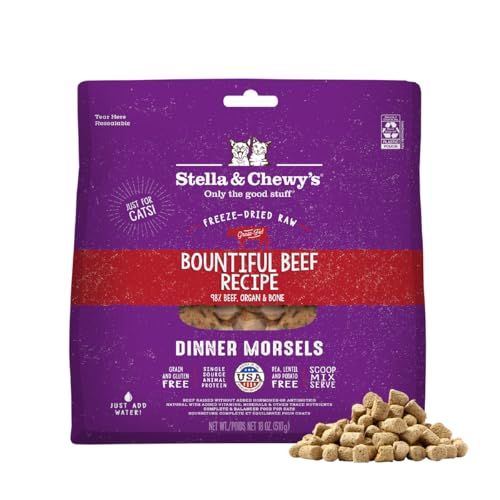
Stella & Chewy's Freeze-Dried Beef Cat Dinner Morsels
Stella & Chewy's
Mid-Range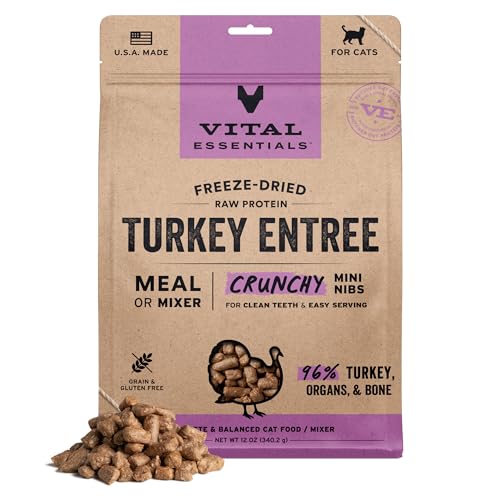
Vital Essentials Freeze-Dried Turkey Cat Food – Crunchy Nibs
Vital Essentials
Budget
Stella & Chewy's Duck & Goose Freeze-Dried Cat Dinner Morsels
Stella & Chewy's
Mid-Range
Steve's Real Food Turkey Freeze-Dried Nuggets for Pets
Steve's Real Food
Mid-Range
Feline Natural Freeze-Dried Cat Food - 98% Meat, Organs & Seafood, No Peas or Grains
Feline Natural
Mid-Range
Feline Natural High Protein Dry Cat Food - Beef & Hoki, 11oz
Feline Natural
Mid-Range
Vital Essentials Freeze-Dried Raw Beef & Chicken Cat Food (12 oz)
Vital Essentials
Budget
Steve's Real Food Freeze-Dried Raw Nuggets - Beef Recipe
Steve's Real Food
Mid-Range
Vital Essentials Freeze-Dried Raw Rabbit Cat Food Nibs
Vital Essentials
Budget
Freeze Dried Raw Dog Food - Premium Turkey & Salmon, Grain Free
Loyal Saints
Mid-Range
Feline Natural High Protein Freeze-Dried Cat Food - Lamb & King Salmon 11oz
Feline Natural
Mid-Range
Open Farm RawMix Dry Cat Food - Whitefish, Salmon & Rockfish Recipe
Open Farm
Mid-Range
Steve's Real Food Lamu Recipe Freeze-Dried Nuggets
Steve's Real Food
Mid-Range
Instinct Raw Meals Freeze-Dried Chicken Cat Food (25 oz bag)
Instinct
Mid-Range
Vital Essentials Crunchy Freeze-Dried Chicken Cat Food Nibs
Vital Essentials
Budget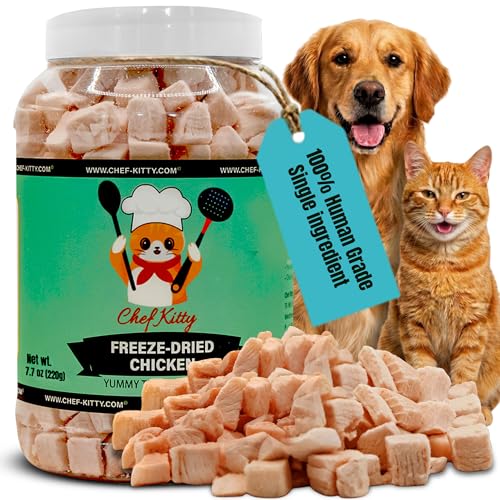
Freeze-Dried Chicken Treats for Cats & Dogs - 100% Human Grade, Single Ingredient
Chef Kitty
Budget
Feline Natural Freeze-Dried Cat Food — High Meat Diet, 11oz
Feline Natural
Mid-Range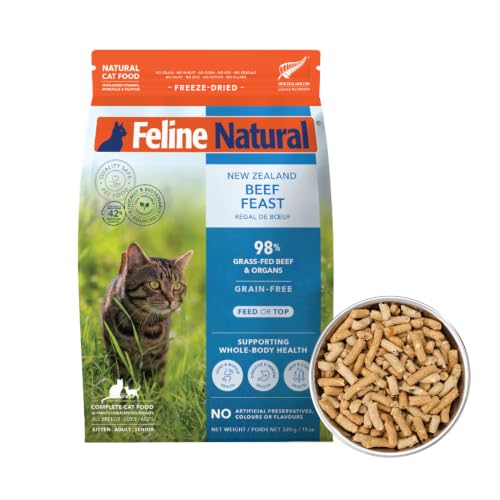
Feline Natural High Protein Freeze-Dried Cat Food – 98% Meat, New Zealand Beef 11oz
Feline Natural
Mid-Range
Stella & Chewy's Freeze-Dried Raw Cat Dinner Morsels - Rabbit Recipe
Stella & Chewy's
Mid-Range
Vital Essentials Freeze-Dried Raw Cat Food – Beef & Chicken Mini Patties Entree
Vital Essentials
Mid-RangeRoundups
Frequently Asked Questions
What is freeze-dried cat food and how does it differ from dehydrated or raw diets?
Freeze-dried cat food is made by freezing prepared ingredients and removing moisture under low pressure, which preserves nutrients and texture; unlike dehydrated food, it typically retains more nutrients because it avoids high-heat drying, and unlike fresh raw diets it is shelf-stable without refrigeration until opened
How do I choose the right freeze-dried formula for my cat?
Choose based on your cat’s life stage and needs (kitten, adult, senior, or medical requirements), check for a named animal protein as the first ingredient, review guaranteed analysis for protein/fat content, and look for AAFCO statement or feeding guidelines to ensure it meets complete and balanced requirements if used as the main diet
Can freeze-dried cat food be fed as a full diet or only as a topper/treat?
Many freeze-dried products are formulated to be complete and balanced and can be fed as a full diet when prepared according to the manufacturer’s rehydration instructions; others are intended as toppers or treats—always verify the product’s label for complete-diet claims and feeding directions
Are there safety or storage considerations I should know?
Store unopened packages in a cool, dry place; once opened, follow package guidance—some recommend sealing and refrigerating or using within a time window after opening, and always rehydrate with clean water if required, discard any uneaten rehydrated food after a short period to prevent bacterial growth
How do freeze-dried diets affect cost compared with wet and dry food?
Freeze-dried diets tend to cost more per calorie than standard dry kibble but can be comparable to or less than premium canned diets; shoppers typically see prices in a mid- to premium range, so compare feeding rates and calorie density to estimate monthly cost for your cat
Will my cat switch from kibble to freeze-dried food easily and how should I transition?
Transition gradually over 7–10 days by mixing increasing amounts of freeze-dried food (rehydrated or as directed) with current food to avoid digestive upset; monitor appetite, stool consistency, and hydration during the transition and adjust pace as needed
What ingredient or label points help if my cat has allergies or sensitivities?
Look for single-protein formulas or limited-ingredient recipes that list the specific protein source first, avoid common allergens listed on the label, and check for explicit statements about added grains or fillers if you are avoiding them; consult your veterinarian for diagnosis and tailored elimination diets