Horse Fly Repellents
This category covers topical sprays, pour-ons, wipes, and protective sheets designed to repel horse flies and other biting insects. Products skew mid-range (average price about (price varies)) across 14 indexed items with an average rating of 4.57, and include brands like Pyranha and Farnam
Top Products

Formula 707 MultiFly Feed-Thru Fly Control Pellets for Horses
Formula 707
Budget
Formula 707 MultiFly Feed-Thru Fly Control Pellets for Horses
Formula 707
Mid-Range
Absorbine UltraShield EX insecticide spray for horses & dogs
Absorbine
Budget
Pyranha Wipe N' Spray for Horses - Oil-Based Fly Control
Pyranha
Mid-Range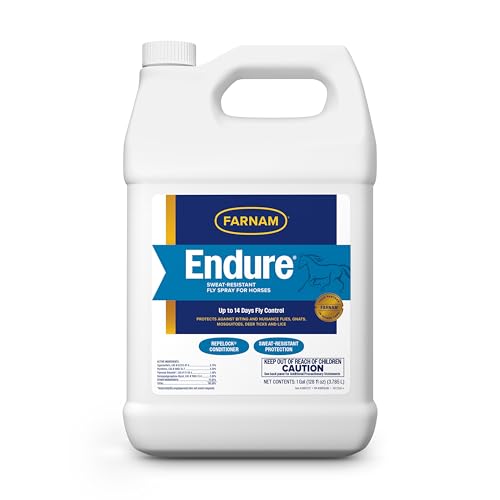
Endure Sweat-Resistant Fly Spray for Horses 128 oz
Farnam
Premium
Absorbine UltraShield EX Combo Sprayer & Refill
Absorbine
Premium
Pyranha Fly Spray for Horses (Wipe & Spray) 32oz
Tack Shack of Ocala
Budget
Country Vet Metered Insecticide Fly Spray (6.4 oz) – Case of 12
Country Vet
Premium
Pyranha Fly Spray for Horses and Premises
Pyranha
Budget
Pyranha Fly Spray for Horses (Wipe & Spray) – Zero-Bite
Tack Shack of Ocala
Mid-Range
Farnam Tri-Tec 14 Fly Spray for Horses
Farnam
Premium
Pyranha Wipe N Spray Fly Protection Spray for Horses, Citronella Scented
Pyranha
Mid-Range
OutSmart Fly Spray for horses and riders
SmartEquine
Mid-Range
Pyranha 1-10 HP Concentrate Refill for 55 Gal Automatic Systems
Pyranha
PremiumRoundups
Frequently Asked Questions
How do I choose the right type of horse fly repellent?
Choose based on application method (spray, wipe, pour-on, or feed-through), target area (body, legs, face), duration of protection, and any ingredients your horse is sensitive to; consider stable vs. pasture use and whether you need broad insect control or fly-specific repellency
Are chemical or natural repellents more effective for horses?
Both can be effective: chemical actives such as pyrethroids or permethrin often provide stronger, longer-lasting knockdown, while natural oils (e.g., citronella, cedar, essential oil blends) can reduce fly nuisance with fewer residues but typically shorter protection; effectiveness depends on formulation and application frequency
How often should I apply fly repellent to my horse?
Follow product label directions, but many topical sprays and wipes require reapplication every 8–24 hours or after heavy sweating/rain, while some long‑lasting sprays or pour-on formulas can protect for multiple days; consistency during peak fly season is important
Are there safety concerns or precautions when using fly repellents around horses?
Avoid getting concentrates in eyes, mouth, or open wounds; test a small area first for skin sensitivity, use products labeled for horses, follow dilution and application instructions, and keep children and pets away until treated areas are dry
Can I use fly repellents on foals or pregnant mares?
Check product labels for age and pregnancy warnings; some formulations are approved for use on foals and pregnant mares while others are not, so use only products explicitly labeled as safe for those animals or consult your veterinarian
What are complementary strategies to reduce flies besides repellents?
Combine repellents with environmental controls such as manure management, regular stall cleaning, fly traps, screens, fans, and removing standing water to reduce breeding sites and overall fly pressure
How much should I expect to spend on horse fly repellents?
Prices vary by formulation and size, with budget options typically under $50 and specialized or larger-volume products costing more; in this category the average price is around $80, so compare application longevity and coverage when evaluating cost-effectiveness