Horse Wound Care
This Horse Wound Care category covers topical creams, antiseptics, bandaging supplies and protective sprays for treating cuts, abrasions and minor skin infections in horses. Ten mid-range products are indexed (average rating 4.49; price range about $33–$49) from brands like FlexTran and Classic Equine
Top Products
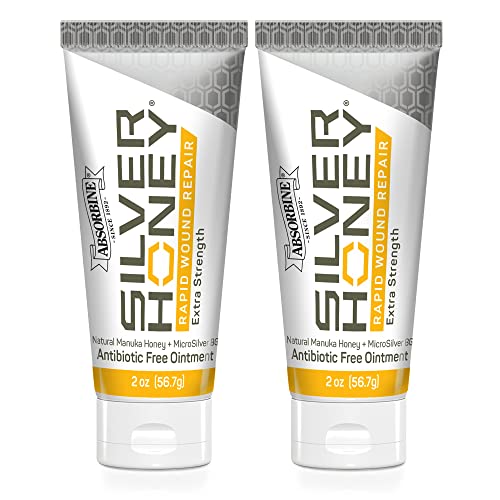
Absorbine Silver Honey Rapid Wound Repair Ointment Twin Pack
Absorbine
Mid-Range
Equinavia Self-Adhesive Vet Wraps in Dispenser Case, 20 Count
Equinavia
Budget
Ring Out - topical solution for skin irritants on animals
FlexTran
Mid-Range
Topical wound spray refill bottle with spray trigger for horses
Underwood Horse Medicine
Mid-Range
Vetericyn Livestock Utility Gel Spray for wounds and skin irritations
Vetericyn
Mid-Range
Classic Equine Standing Wrap Bandage
Classic Equine
Budget
Farnam Purishield Intensive Care Gel for Wounds
Farnam
Budget
Ringworm Prevention Pack for Animals - Ring Out & Ring Out Shampoo
FlexTran
Mid-Range
Show Out Skin & Scratches Prevention Pack for Horses
FlexTran
Mid-Range
MucoMax Oral Wound Care Gel for Pets
CUROVET
BudgetRoundups
Frequently Asked Questions
How do I choose the right type of wound care product for my horse?
Select a product based on wound type and location: topical antiseptics or sprays for minor cuts and scrapes, antimicrobial ointments or gels for low-grade infections, and bandage dressings or hydrocolloid products for deeper or exuding wounds; consult your veterinarian for severe, puncture, or joint-involved injuries
What active ingredients should I look for and what do they do?
Common useful ingredients include chlorhexidine and povidone-iodine (broad-spectrum antiseptics), silver or nitrofurazone (antimicrobial), and hyaluronic acid or aloe-based formulations (support moisture and healing); choose based on wound needs and avoid ingredients your horse has reacted to previously
How much should I expect to spend on horse wound care products?
Basic antiseptic sprays and ointments are typically available in budget options under $50, while specialized dressings, bandaging kits, and medicated gels fall into mid-range and higher depending on size and formulation; the average price in this category is around the high tens of dollars
How do I apply topical wound treatments safely?
Clean the area gently with saline or diluted antiseptic, trim hair if needed, apply a thin, even layer of ointment or spray per product directions, and cover with an appropriate sterile dressing or bandage when necessary; wear gloves and monitor daily for signs of worsening
When should I call my veterinarian instead of treating at home?
Seek veterinary care for large, deep, puncture, heavily contaminated, bleeding, joint-related, or rapidly worsening wounds, for wounds that do not show improvement within 48–72 hours of appropriate home care, or if the horse shows signs of systemic illness (fever, lameness, loss of appetite)
Are there special considerations for bandaging wounds on legs or joints?
Leg and joint wounds need secure, non-slip padding and bandaging to protect tendons and prevent swelling; change dressings regularly, avoid tight wraps that impair circulation, and consult a vet for bandage support or if mobility is affected
Can topical wound care products interfere with vaccinations or other medications?
Topical products generally do not interfere with vaccinations, but systemic antibiotics or anti-inflammatories can affect healing; always inform your veterinarian about current topical and systemic treatments so they can coordinate care and avoid interactions