Reptile & Amphibian Food
Dry and live food for reptiles and amphibians, including feeder insects, frozen/thawed rodents, and specialized pellets and supplements. The 52 indexed products average a 4.51 rating and span budget to mid-range prices (avg $62); brands include Josh's Frogs and Blaptica dubia
Top Products

Dried Mealworms - High Protein Treat for Wild Birds, Reptiles & More
TradeKing
Budget
Manna Pro Crushed Oyster Shell for Laying Hens
Manna Pro
Mid-Range
Ultra Fresh turtle food with sword prawn & calcium
Ultra Fresh
Budget
Tetra ReptoMin Pro Sticks Adult Turtle Formula
Tetra
Mid-Range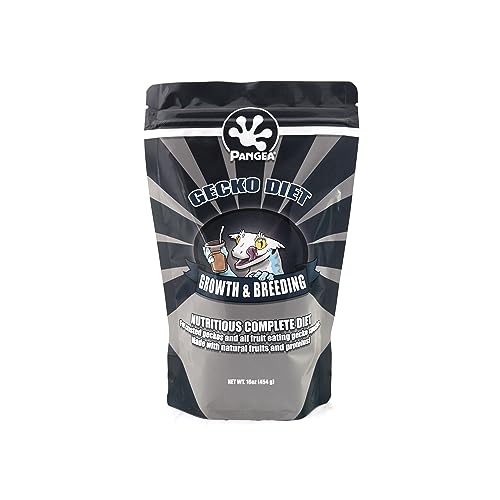
Pangea Gecko Diet Growth & Breeding Formula (16 oz)
Pangea
Mid-Range
Pangea Gecko Diet with Papaya 16 oz
Pangea
Mid-Range
Repashy Calcium Plus 17.6 oz Calcium Supplement
Repashy
Budget
Dried Black Soldier Fly Larvae for Poultry Feed, 10 lb
LIWII
Mid-Range
Josh's Frogs Mealworms (2000 Count)
Josh's Frogs
Mid-Range
Fluker's High Calcium Dubia Roach Diet for gut-loading or bedding
Fluker's
Budget
Josh's Frogs Waxworms (1000 Count)
Josh's Frogs
Mid-Range
Critters Direct Live Springtails breeding culture (16 oz) + food
Critters Direct
Mid-Range
Live Superworms for Reptiles - Zophobas Morio (Animal Specialties)
Animal Specialties
Mid-Range
Roach & Cricket Chow: Balanced protein, calcium-fortified diet
Generic
Mid-Range
Benereef Powder Complete Reef Nutrition for coral growth & color
Benepets Benereef
Budget
Roach Rations Premium Roach Food (1 gallon) by Josh's Frogs
Josh's Frogs
Mid-Range
Josh's Frogs 1" Large Adult Banded Crickets (1000 Count)
Josh's Frogs
Mid-Range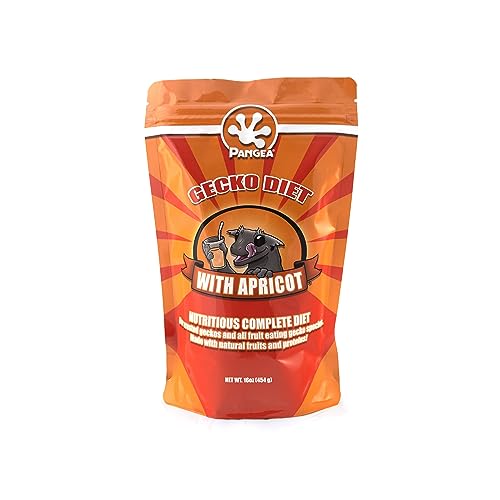
Pangea Gecko Diet with Apricot (1 lb)
Pangea
Mid-Range
Dried Crickets, 1.5 lb (3-pack) for Pets
Exotic Nutrition
Budget
Boonworms 100% Black Soldier Fly Larvae for Poultry - 5 lb
Pecking Order
Budget
Geo F. Trumper Skin Food - Coral
Geo F. Trumper
Mid-Range
Dubia Roaches XL 1.25"+ feeder insects
Blaptica dubia
Mid-Range
UCM Group 20lb Dried Black Soldier Fly Larvae for Poultry
UCM GROUP UCM GROUP
Mid-Range
Live Dubia Roaches for Reptile Feeding (500, Small 1/2) by Blaptica dubia
Blaptica dubia
BudgetRoundups
Frequently Asked Questions
How do I choose the right type of food for my reptile or amphibian?
Choose food based on species, age, and natural diet: herbivores need leafy greens and veggies or formulated pellets, insectivores require gut-loaded/live or frozen-thawed insects, and carnivores like some snakes need appropriately sized rodents or prepared meat diets. Check species-specific nutritional needs (calcium, vitamin D3, protein) and life stage requirements
What should I consider when budgeting for reptile and amphibian food?
Budget for regular purchases of staples (pellets, frozen prey, or bulk insects) plus occasional supplements; products in this category commonly span from budget options under $50 to premium or bulk supplies that cost more, with an average around $60. Factor in waste, storage (freezer space for frozen prey), and supplemental calcium/vitamin powders
Are live, frozen-thawed, and prepared/formulated diets interchangeable?
They are not fully interchangeable: live prey stimulates natural hunting behavior and may be necessary for some species, frozen-thawed prey is a safer, convenient substitute for many carnivores, and formulated diets or pellets can provide balanced nutrition for species that accept them. Choose based on your animal's preference, health, and safety considerations
How important are calcium and vitamin supplements, and how do I use them?
Supplements are critical for many reptiles and amphibians to prevent metabolic bone disease and other deficiencies; use a calcium powder with or without vitamin D3 according to your species' UVB exposure and dietary needs, typically dusting insects or sprinkling on food at manufacturer-recommended frequencies
How should I store different types of reptile and amphibian food?
Store dry formulated diets and insectivore pellets in cool, dry, sealed containers; keep frozen prey in a dedicated freezer and thaw in the refrigerator or sealed bag in warm water before feeding; live feeders should be kept in secure, ventilated containers and fed appropriate diets until offered
What safety risks should I be aware of when feeding live or frozen prey?
Live prey can bite or injure smaller reptiles and carry parasites, while improperly thawed frozen prey can harbor bacteria; supervise feedings, choose prey sizes no larger than the widest part of your pet, avoid wild-caught feeders unless quarantined, and follow safe thawing and handling practices
How do I tell if a commercial diet is nutritionally appropriate?
Check the product label for guaranteed analysis (protein, fat, fiber), ingredient list, and any species-specific formulation notes; prefer products that address calcium-to-phosphorus ratio or recommend supplementation if needed, and look for feeding guidelines that match your pet's species and life stage