Reptile & Amphibian Habitat Lighting
This category covers lighting and fixtures for reptile and amphibian enclosures, including UVB/heat lamps, LED habitat lights, and mounting accessories. It spans about 94 indexed products with average ratings near 4.38 and mid-range pricing (roughly $33–$126), with brands like Hygger zoo represented
Top Products

REPTI ZOO Dual Reptile Light Fixture 2 in 1 Deep Dome Lamp
REPTI ZOO
Mid-Range
Zoo Med Repti Tuff Splashproof Halogen Lamps 50W (3 Pack)
Zoo Med
Budget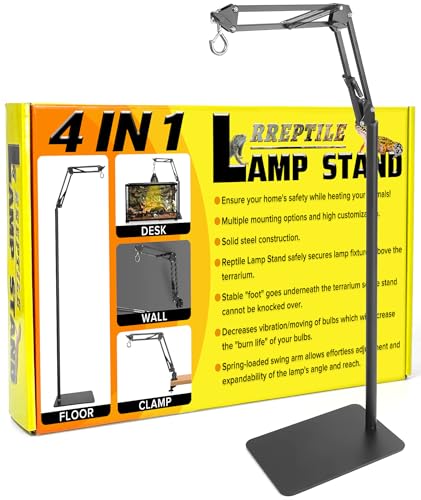
4-in-1 metal reptile lamp stand
AUAAQ
Budget
MRREPTILE UVB T8 HO Reptile Light 15W
MRREPTILE
Mid-Range
Zilla T8 Fluorescent Desert Series 50, 17W
Zilla
Budget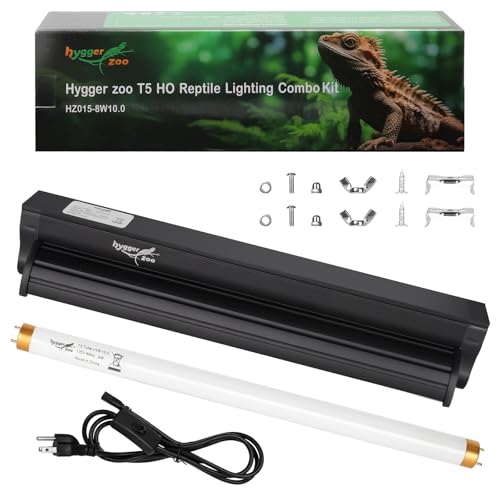
T5 UVB Reptile Light Fixture 12 inch, 8W UVB + UVA Desert Lamp
Hygger zoo
Budget
Nano Reptile Heat Lamp Fixture with Dual 60W Bulbs
DXOPHIEX
Mid-Range
Reptile heat lamp stand with adjustable height
DXOVEEN
Mid-Range
T5 Reptile Light Fixture Kit 24W UVB with 10.0 UVB bulb
Hygger zoo
Mid-Range
T5 Reptile Light Fixture Green Combo Kit 8W
Hygger zoo
Mid-Range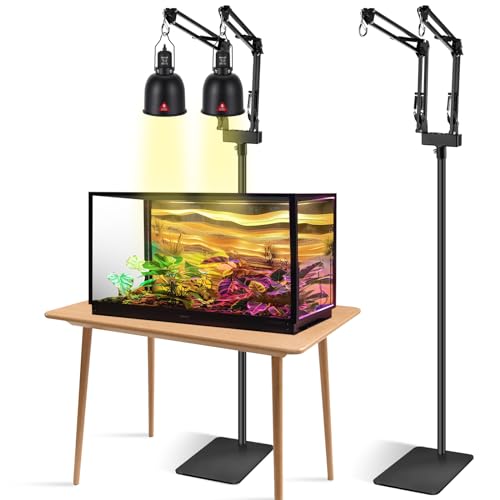
DXOPHIEX Dual Reptile Lamp Stand with Two Foldable Arms
DXOPHIEX
Mid-Range
Zoo Med T5 HO ReptiSun 10.0 UVB Lamp 2-pack
Zoo Med
Mid-Range
T8 Reptile Light Fixture Kit with UVB (15W) for Terrariums
Hygger zoo
Mid-Range
Zilla Reptile UVB Fluorescent Desert T8 15W Light Bulb
Zilla
Budget
Hypool T8 Strip UVB UVA Reptile Lighting Fixture
Hypool
Mid-Range
T5 UVB Reptile Light 39W 5.0, UVA UVB Lamp Tube (2 Pack) for Reptiles
REPTI HOME
Mid-Range
8W LED UVB Reptile Light with Dimming & 4 UVI Modes
REPTITRIP
Mid-Range
T8 Reptile Light Fixture Kit with UVB Bulb
Hygger zoo
Mid-Range
T5 UVB Reptile Light 24W 5.0 2 Pack for Bearded Dragon
REPTI HOME
Budget
T5 UVB Reptile Light Fixture 22in with 24W UVB Reptile Bar
Hygger zoo
Mid-Range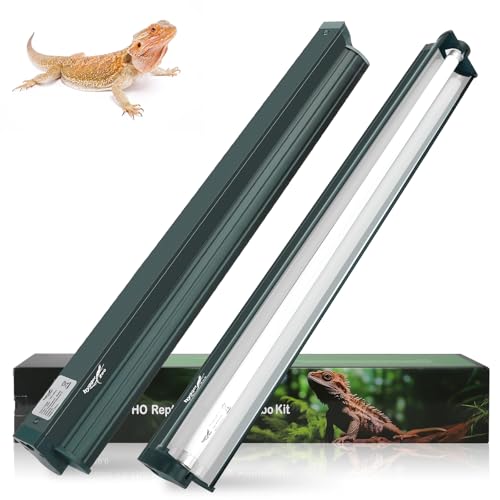
T5 Reptile Light Fixture Green Combo Kit 24W
Hygger zoo
Mid-Range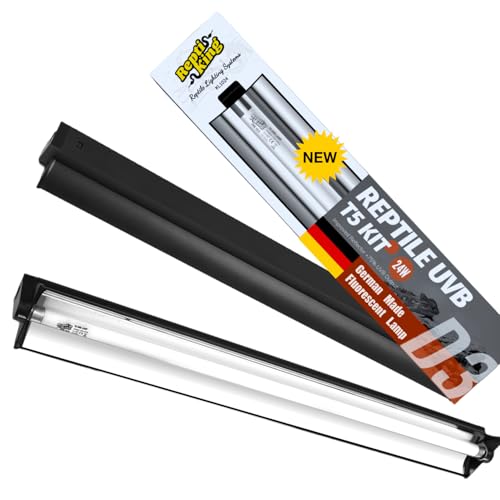
Upgraded UVB Reptile Light: 10.0 UVB 24W Fluorescent Lamp Kit
ReptiKing
Mid-Range
REPTI ZOO UVB Reptile Light with Dimming
REPTI ZOO
Mid-Range
T5 10.0 UVB Light Bar Bulbs for Reptiles 39W 34in
Jaenmsa
Mid-RangeRoundups
- Best Reptile & Amphibian Habitat Lighting for Bearded Dragon Enclosure (2026)
- Best Reptile & Amphibian Habitat Lighting Under $200 (2026)
- Best Reptile & Amphibian Habitat Lighting Under $100 (2026)
- Best Reptile & Amphibian Habitat Lighting Under $50 (2026)
- Best Reptile & Amphibian Habitat Lighting (2026 Guide)
Frequently Asked Questions
How do I choose the right lighting type for my reptile or amphibian?
Match the lighting to your species' needs: UVB for day-active diurnal reptiles that need vitamin D3 synthesis, UVA for behavioral stimulation, and full-spectrum or heat-emitting fixtures (like basking bulbs) for thermoregulation; nocturnal amphibians often require low-intensity or no UVB and red/infrared heat for night viewing only if heat is needed
What UVB strength should I buy and how far should the bulb be from the animal?
Choose UVB output based on species and enclosure size—low-output (2–5%) for forest-dwelling or low-light species and medium-output (5–10%) for desert or high-UV species; follow manufacturer distance recommendations, typically 6–12 inches for higher-output bulbs and 12–18+ inches for lower-output types, ensuring no glass separates bulb and habitat unless the bulb is rated for use behind glass
Do I need a heat lamp and how do I set daily lighting schedules?
Many reptiles require a temperature gradient with a basking heat source; set heat and light to mimic natural day–night cycles—commonly 10–14 hours of daytime light and heat for tropical species and shorter daylight for temperate species—using timers and thermostats to maintain consistent cycles and appropriate temperatures
What safety and installation factors should I consider?
Use fixtures rated for reptile enclosures, secure mounts or clamp fixtures to prevent falls, keep electrical components away from moisture, use gaurded or dome fixtures over live animals to prevent burns, and pair heat sources with temperature probes and thermostats to avoid overheating
How often should I replace bulbs and how do I measure their effectiveness?
Replace fluorescent and compact UVB bulbs every 6–12 months even if they still emit visible light, and replace LED/UV hybrid units per manufacturer life ratings; verify UV output and temperature gradients with a UV meter and infrared thermometer or digital probe to ensure they remain within species-appropriate ranges
What are affordable lighting options and what should I not skimp on?
Budget options under $50 can include basic clip-on fixtures, heat lamps, or entry-level LED fixtures suitable for some setups, but do not skimp on proper UVB if your species requires it and on reliable thermostats/thermometers to maintain safe temperatures
Can I use LED lights for reptiles and amphibians?
LEDs are excellent for visible lighting, energy efficiency, and long life, but most do not provide biologically effective UVB, so pair LEDs with an appropriate UVB source when keeping species that require UV exposure