Small Animal Automatic Feeders
Small animal automatic feeders dispense scheduled or portioned dry food for pets like rabbits, guinea pigs, and hamsters, with programmable timers and hopper capacities. The category includes 17 indexed products averaging a 4.19 rating and mid-range prices around $32–$90, with brands such as Voluas represented
Top Products

Voluas Automatic Cat Feeder with programmable portions
Voluas
Mid-Range
Voluas Dual Automatic Cat Feeder with 2 Stainless Steel Bowls
Voluas
Mid-Range
PETLIBRO Granary Automatic Cat Feeder
PETLIBRO
Mid-Range
Voluas automatic cat feeder for two cats
Voluas
Mid-Range
Hanging Automatic Rabbit Feeder and Water Dispenser (Gray)
lemtrflo
Budget
Voluas double cat feeder with 2 bowls, 6L automatic timer
Voluas
Premium
Rabbit hay feeder 4-in-1 wood toy for small animals
JAZUIHA
Budget
PETLIBRO Wi-Fi Automatic Cat Feeder 2L
PETLIBRO
Premium
Hanging Rabbit Feeder with Programmable Timer
Sandpoy
Mid-Range
PETLIBRO WiFi automatic cat feeder with rechargeable battery
PETLIBRO
Mid-Range
Hanging Rabbit Feeder with Timer and Desiccant
RABELITTO
Mid-Range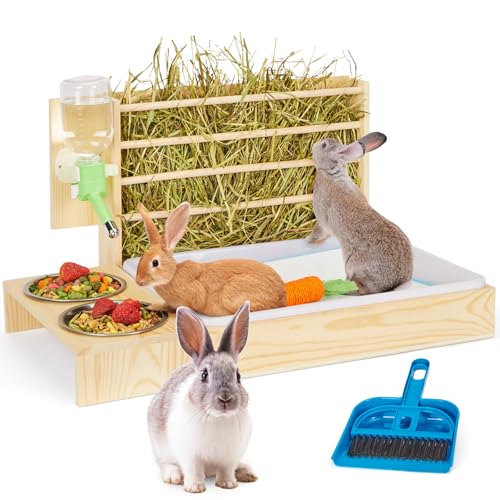
4 in 1 Rabbit Hay Feeder with Litter Box
UNMOONY
Mid-Range
Hanging Automatic Rabbit Feeder with 1080p Camera
Sandpoy
Mid-Range
Extra-Large 2-in-1 Rabbit Hay Feeder & Litter Box Set, Wood
Essenhome
Mid-Range
Maxcheck Rabbit Feeder for Cages (2 Pack) with Lid, Mesh Bottom, Green
Maxcheck
Budget
Rabbit hay feeder with litter box and hay rack
SUPERPAWS
Budget
Maxcheck 2-Pack Rabbit Feeder for Cages with Lid, Mesh Bottom, Green
Maxcheck
Mid-RangeRoundups
- Best Small Animal Automatic Feeders for Multi-Pet Households (2026)
- Best Small Animal Automatic Feeders for Daily Feeding Schedule (2026)
- Best Small Animal Automatic Feeders for Portion-Controlled Feeding (2026)
- Best Small Animal Automatic Feeders Under $200 (2026)
- Best Small Animal Automatic Feeders Under $100 (2026)
- Best Small Animal Automatic Feeders Under $50 (2026)
- Best Small Animal Automatic Feeders (2026 Guide)
Frequently Asked Questions
How do I choose the right small animal automatic feeder for my pet?
Match feeder capacity and portion size settings to your pet’s species and eating habits, check compatible food types (pellets, kibble, hay cubes), prefer programmable timers or portion controls for scheduled feeding, and confirm power source options (battery, plug-in) and material safety for chewing animals
What features matter most for reliability and pet safety?
Look for secure, chew-resistant housings, tamper-proof latches, accurate portion control, anti-jamming mechanisms or wide feed chutes, and BPA-free or food-grade materials; consider a stable base to prevent tipping and sensors or indicators for low food levels
How much should I expect to pay for a quality small animal automatic feeder?
Prices typically range from budget options under $50 to higher-end models above $100, with an average around the mid-range; higher cost often reflects larger capacity, advanced programming, durable materials, or extra features like LCD displays and multiple feeding schedules
Can automatic feeders handle different types of small pet food?
Some feeders are designed for dry kibble and pellets only, while others can handle larger or irregular shapes; check product specifications for compatible food sizes and avoid using moist, fresh, or finely powdered foods that can clump and jam the mechanism
How do I clean and maintain an automatic feeder?
Regularly empty and wipe or wash removable food bowls and hoppers per manufacturer instructions, dry components thoroughly before reassembly, inspect for wear or chew damage, and replace batteries or test power connections periodically to ensure consistent operation
Will an automatic feeder prevent overfeeding or help with portion control?
Yes—feeders with programmable portion sizes and scheduled feeds can regulate portions and reduce free-feeding, but you should calculate portions based on your pet’s dietary needs and monitor weight and behavior to adjust settings as needed
Are there power or connectivity considerations I should know about?
Many models run on batteries, AC power, or both; battery operation provides backup during outages but requires periodic replacement, and some higher-end units offer app or Wi‑Fi control—verify battery life, power redundancy, and whether connectivity features are necessary for your use