Small Animal Bedding & Litter
This category covers bedding and litter for small pets (guinea pigs, rabbits, hamsters) including paper-based, wood, and fleece options plus absorbents and dust-free litters. It aggregates 192 products with an average rating of 4.51 and mid-range pricing (about $33–$95, avg $47), with brands like Paw Inspired and Small Pet Select represented
Top Products

Small Pet Select Premium Natural Aspen Bedding (Jumbo 141 L Pack)
Small Pet Select
Budget
Kaytee Clean & Cozy Natural Paper Bedding
Kaytee
Mid-Range
Unbleached white paper bedding 178L for small pets
Small Pet Select
Mid-Range
Small Pet Select Premium Small Animal Bedding – natural soft paper
Small Pet Select
Mid-Range
Ware Manufacturing scatterless lock-n-litter pet pan (jumbo)
Ware Manufacturing
Budget
Niteangel Desert Bath Sand for Small Pets
Niteangel
Budget
Guinea Pig Bed Soft Fleece Blanket Bedding Mats
Tierecare
Budget
Guinea pig bed and cage liner 10pcs soft fleece mats
Tierecare
Budget
GuineaDad Liner: Guinea Pig Fleece Cage Liners (Midwest, Pink)
GuineaDad
Mid-Range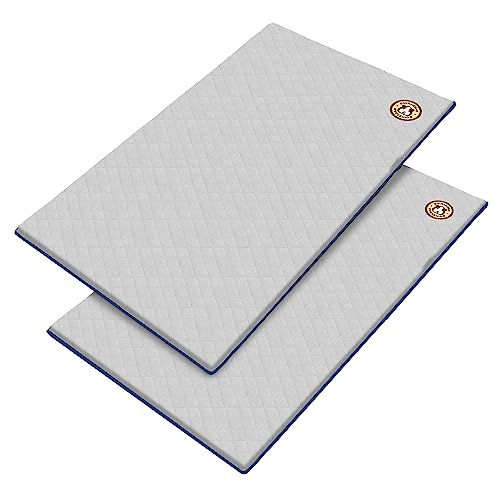
GuineDad Reusable Cage Liners 2-Pack Gray Fleece Bedding
GuineaDad
Mid-Range
GuineaDad Liner - Yellow Fleece Cage Bedding with Waterproof Bottom
GuineaDad
Mid-Range
Paw Inspired Guinea Pig Cage Liners, C&C 2x3, Tan
Paw Inspired
Mid-Range
Paw Inspired Guinea Pig Cage Liners (Midwest compatible) 47x24
Paw Inspired
Mid-Range
Paw Inspired Guinea Pig Cage Liners—C&C 2x3, Light Gray
Paw Inspired
Mid-Range
Paw Inspired Guinea Pig Cage Liners – 47x24 in, fleece bedding
Paw Inspired
Mid-Range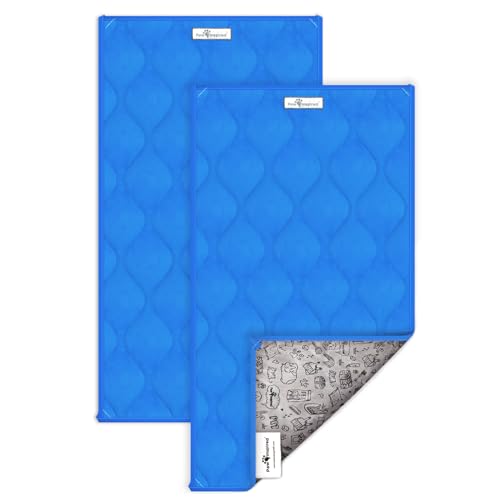
Paw Inspired Guinea Pig Cage Liners – 29x16 in, waterproof fleece
Paw Inspired
Mid-Range
Paw Inspired Guinea Pig Cage Liners - Washable Fleece Bedding (Midwest, Blue)
Paw Inspired
Mid-Range
GuineaDad Reusable Cage Liner - Sea Green Fleece with Burrowing Pocket
GuineaDad
Mid-Range
GuineaDad Liner: guinea pig fleece cage liner with burrowing pocket
GuineaDad
Mid-Range
Guineadad Reusable Cage Liner with Burrowing Pocket
GuineaDad
Mid-Range
GuineaDad Reusable Cage Liner with Burrowing Pocket
GuineaDad
Mid-Range
Paw Inspired Guinea Pig Cage Liners - Washable Fleece Bedding with Waterproof Bottom
Paw Inspired
Mid-Range
Reginary Waterproof Guinea Pig Blanket 4Pcs, 24x47 in
Reginary
Budget
Paw Inspired C&C Guinea Pig Cage Liners – Blue
Paw Inspired
Mid-RangeRoundups
Frequently Asked Questions
How do I choose the right type of bedding or litter for my small pet?
Choose based on species, respiratory sensitivity, and nesting needs: paper- or cellulose-based bedding is absorbent and low-dust for guinea pigs and rabbits; aspen shavings are a low-phenol wood option for rodents; avoid cedar and treated wood for small mammals due to harmful fumes; consider hay or soft nesting material for rabbits and other herbivores that also eat bedding
What should I look for regarding dust, smell control, and absorbency?
Look for low-dust or dust-extracted products to reduce respiratory problems, high-absorbency materials (pelleted or paper-based) to control urine, and natural odor-control options like activated charcoal or enzymatic treatments; avoid strong chemical fragrances that can irritate pets
How often should I change or refresh small animal bedding?
Spot-clean daily to remove soiled areas and droppings; fully replace loose bedding every 1–2 weeks for small cages and more frequently for larger or multiple-animal setups, while pelletized litters may need complete changes every 2–4 weeks depending on absorbency and odor
Are there safe bedding options for pets that like to chew or eat their bedding?
Choose edible, non-toxic bedding such as paper-based products or untreated hay for animals that chew or ingest bedding; avoid scented or treated materials and any wood shavings from cedar or colored/recycled paper with unknown dyes
How do I balance cost and quality when buying bedding and litter?
Compare unit price per volume or weight and factor in longevity and absorbency—higher-absorbency products often need less frequent replacement and can be more economical despite a higher upfront cost; budget options exist under roughly (price varies) for common package sizes, while premium or specialty blends cost more
Can I mix bedding types, and are there benefits to doing so?
Mixing a highly absorbent base (pellets or paper) with a softer top layer (shredded paper or hay) can improve comfort, odor control, and moisture management, but ensure all components are species-appropriate and free of toxins or strong scents
What factors affect my pet's health related to bedding choices?
Key factors include ammonia buildup from poor absorbency, dust causing respiratory issues, toxic compounds from certain woods or treatments, and ingestion risks from non-edible or chemically treated materials; choose low-dust, high-absorbency, and non-toxic products and monitor your pet for respiratory or digestive signs