Small Animal Cages
This Small Animal Cages category covers cages and habitats for rabbits, guinea pigs, hamsters, ferrets and other small pets, including wire, plastic, multi-level and travel options. It aggregates 157 products with an average rating of 4.27 and prices ranging roughly $33–$340, featuring brands like PawHut and MidWest Homes for Pets
Top Products

MidWest small rabbit cage with removable tray
MidWest Homes for Pets
Mid-Range
Midwest rabbit cage with removable tray, easy assembly
MidWest Homes for Pets
Mid-Range
Prevue Small Animal Home, Dark Gray
PH Prevue Hendryx
Premium
Rabbit Cage Wire Extension fits Midwest models 158 & 158XL
MidWest Homes for Pets
Mid-Range
Ferplast Cavie Guinea Pig Cage & Rabbit Cage with Accessories
Ferplast
Mid-Range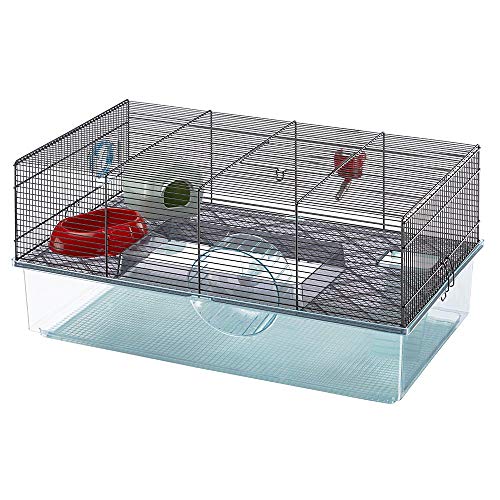
Favola Hamster Cage set with water bottle, wheel, dish & hide-out
Ferplast
Mid-Range
Rabbit Hutch Extension for Midwest 158/158XL
MidWest Homes for Pets
Premium
Rabbit Cage with Liner and Grids 48x24x20inch Indoor Small Animal Cage
CHEGRON
Mid-Range
Chegron Guinea Pig Cages 8 sq ft Expandable C&C Habitat
CHEGRON
Mid-Range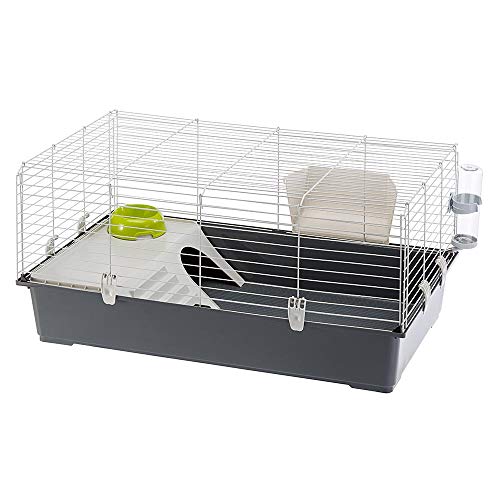
Ferplast Cavie Guinea Pig Cage & Rabbit Cage with Accessories
Ferplast
Mid-Range
Yaheetech 37-inch metal ferret chinchilla cage
Yaheetech
Mid-Range
GuineaLoft Model-A Large 4x2 ft Acrylic Cage
GuineaLoft
Mid-Range
Leakproof canvas-bottom guinea pig cage with divider
Amazon Basics
Mid-Range
3-level portable ferret rodent cage with 3/8 in. spacing
Mcage
Mid-Range
CHEGRON 48x24x12 Inch Small Animal Cage with Removable Liner & 12 Pcs Grids
CHEGRON
Budget
CHEGRON Guinea Pig Cage with Waterproof Bottom & Liner, 12 Panels
CHEGRON
Budget
PawHut 35" L Small Animal Cage with Wheels
PawHut
Mid-Range
MidWest hamster cage with race car theme
MidWest Homes for Pets
Mid-Range
Large Deluxe Indoor/Outdoor Critter Cage with 2-Floor Tray
Mcage
Mid-Range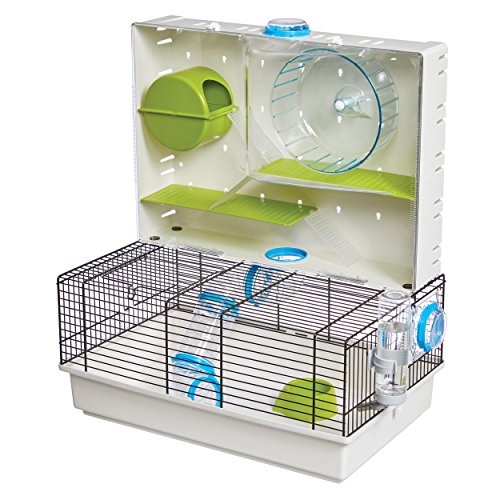
MidWest Hamster Cage with Arcade Play Space (White) 18"
MidWest Homes for Pets
Mid-Range
Ferplast Paula Small Hamster Cage with Accessories
Ferplast
Mid-Range
Large 3-Level Foldable Ferret Cage with 3/8 in bar spacing
Mcage
Mid-Range
Yaheetech 52-inch Ferret Cage with 6 levels
Yaheetech
Premium
Ferret Nation Add-On Unit for 181/182 cages
MidWest Homes for Pets
PremiumRoundups
Frequently Asked Questions
How do I choose the right size cage for my small pet?
Choose a cage that allows your species to move, stand, stretch, and exercise comfortably; for single small rodents (hamsters, gerbils) look for floor space first, while rabbits and guinea pigs need larger floor area and height. Check species-specific minimums (e.g., guinea pigs typically need at least 7–10 sq ft for one to two animals) and allow extra room for toys, hideouts, and an exercise area
What cage features should I prioritize for safety and comfort?
Prioritize solid flooring or protected wire flooring to prevent foot injuries, secure latches to prevent escapes, appropriate bar spacing to match your pet's size, good ventilation, and durable, non-toxic materials. Also consider ease-of-access doors for cleaning and feeding, and space for bedding, shelters, and enrichment
How much should I expect to spend on a small animal cage?
Small animal cages range widely depending on size and materials; budget options start under $50, many mid-range cages fall between $50 and $200, and larger or specialty enclosures can cost more. The average price across many listings is in the low hundreds, so plan based on the species and the cage features you need
What are the best materials and finishes for durability and pet health?
Look for cages made from powder-coated metal or galvanized steel to resist rust, and plastic bases that are deep enough to hold bedding; avoid cages with flaking paint or exposed lead-based finishes. Materials should be easy to clean and free of sharp edges or small parts that could be chewed and ingested
How often should I clean the cage and what is the recommended cleaning routine?
Spot-clean soiled areas daily and perform a full clean—remove bedding, wash the tray and accessories with mild soap and water, rinse thoroughly and dry—every 1–2 weeks or more often for high-odor species. Replace bedding and sanitize toys and hideouts regularly to reduce ammonia buildup and disease risk
Can multiple animals share the same cage, and what should I consider?
Some species can be housed together if they are compatible and you provide adequate space, separate feeding areas, and enrichment to prevent stress and fighting; same-sex pairings or bonded groups are often recommended for social species. Always monitor behavior closely and be prepared to separate animals if aggression, bullying, or resource guarding occurs
What accessories and layout considerations improve welfare and enrichment?
Provide species-appropriate hiding spots, bedding for burrowing, chew toys for dental health, exercise wheels with solid surfaces sized for the animal, and varied levels or ramps if safe for the species. Arrange the cage to allow distinct sleeping, eating, and activity zones and rotate toys regularly to maintain interest