Small Animal Food
Small Animal Food offers assorted diets and specialty feeds for rabbits, guinea pigs, hamsters, ferrets, and other small pets, including pellets, hay blends, and fortified mixes. The category spans budget to premium options (average price ~(price varies)) with top brands like Small Pet Select represented. Average rating across 115 products is 4.47
Top Products

Oxbow Essentials Young Guinea Pig Food - 25 lb
Oxbow
Mid-Range
Oxbow Essentials Adult Guinea Pig Food - All Natural Pellets
Oxbow
Mid-Range
Oxbow Essentials Rabbit Food, Young for Rabbits
Oxbow
Mid-Range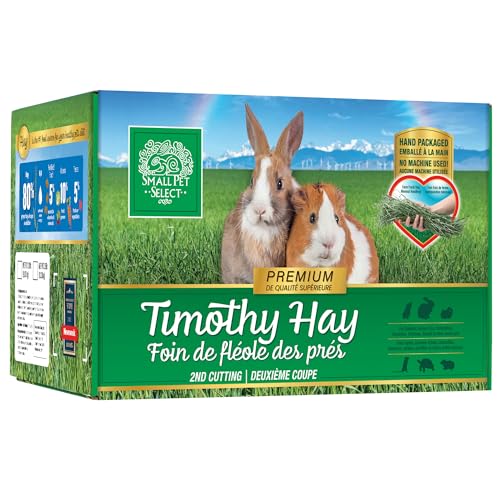
Small Pet Select Timothy Hay for Small Animals
Small Pet Select
Budget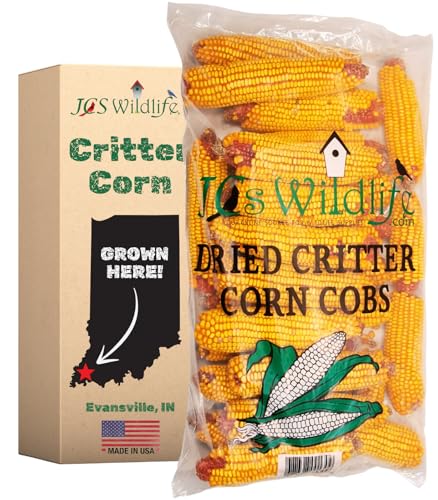
JCs Wildlife Dried Corn on The Cob Bag - 14 lb
JCs Wildlife
Mid-Range
Small Pet Select 2nd Cutting Timothy Hay for Small Animals
Small Pet Select
Budget
Small Pet Select Timothy Hay for rabbits & small animals
Small Pet Select
Budget
Happy Glider Sugar Glider Food - Fruity Flavor (3 lbs) - Premium Nutrition
Suncoast Sugar Gliders
Budget
Oxbow Essentials Hamster & Gerbil Food - Complete Daily Diet
Oxbow
Mid-Range
Kaytee Timothy Hay - high fiber for small animals
Kaytee
Mid-Range
Small Pet Select rabbit food pellets for rabbits
Small Pet Select
Mid-Range
Kaytee Timothy Hay — high-fiber small pet hay
Kaytee
Mid-Range
Purina Rabbit Food Complete Pellets 25 lb
Purina
Budget
Marshall Select Chicken Ferret Diet 4 lbs (Pack of 2)
Marshall Pet Products
Mid-Range
Small Pet Select Timothy Hay - 1st cut, 20lb
Small Pet Select
Mid-Range
Small Pet Select 2nd Cutting Timothy Hay for Small Animals
Small Pet Select
Mid-Range
Sherwood Pet Health Adult Rabbit Food with Timothy Hay
Sherwood Pet Health
Mid-Range
Alfalfa Hay for Rabbits & Small Pets (10 lb)
Viking Farmer
Budget
JCs Wildlife Dried Corn on the Cob 14 lb Bag (2 Bags)
JCs Wildlife
Mid-Range
Kaytee Fiesta Guinea Pig Food – Nutritious & Engaging Blend
Kaytee
Mid-Range
Freshpet Freshly Roasted Meals - Tender Chicken Recipe (5.5 lb)
Freshpet
Mid-Range
Farm Fresh Alfalfa Hay for Small Animals
Gold Buckle Co
Budget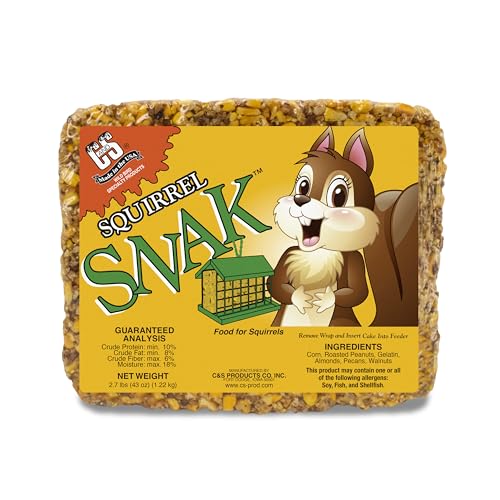
C&S Squirrel Snaks, 6 Pack
C&S
Budget
Small Pet Select Healthy Snacker Bundle (Five Bags)
Small Pet Select
Mid-RangeRoundups
Frequently Asked Questions
How do I choose the right type of food for my small pet (rabbit, guinea pig, chinchilla, etc.)?
Choose species-specific formulas: rabbits and guinea pigs need hay-based diets with added fiber and vitamin C for guinea pigs; chinchillas require high-fiber, low-fat pellets and unlimited timothy hay. Check the label for ingredients, guaranteed analysis (fiber, protein, fat), and whether the food is formulated for life stage (juvenile, adult)
What key ingredients or nutrients should I look for on the label?
Prioritize high fiber (especially for herbivores), moderate protein, and low to moderate fat; for guinea pigs, look for added vitamin C. Avoid mixes with excessive seeds, dried fruit, or sugary treats as main components, and prefer recognizable whole-ingredient sources (e.g., timothy hay, alfalfa for young animals, and named grains)
How much should I expect to spend on small animal food and are there budget-friendly options?
Prices vary by brand, formula, and bag size; shoppers commonly find options ranging from budget pellets and hay under $50 to premium formulations above that range. Buying larger bags or plain hay/pellets rather than seed-and-treat mixes typically lowers cost per serving
How often and how much should I feed my small pet?
Feeding frequency and portion depend on species and life stage: adult rabbits, guinea pigs, and chinchillas generally have unlimited access to hay with a measured daily portion of pellets (commonly 1/8–1/4 cup per 2–4 lb body weight, but check packaging and vet guidance). Young, pregnant, or lactating animals need higher-calorie diets and larger portions
Can I mix different brands or types of pellets and hay safely?
You can transition between brands or mix small amounts, but do so gradually over 7–10 days to avoid digestive upset, and maintain consistency in hay type; avoid combining many seed- and treat-heavy mixes that raise sugar and fat intake
How do I store small animal food to keep it fresh and safe?
Store pellets and dry mixes in a cool, dry place in airtight containers to prevent moisture, mold, and pests; keep hay in breathable bags or bins off the ground and replace any damp or discolored hay immediately
When should I consult a veterinarian about my pet's diet?
Consult a vet if your pet shows weight loss or gain, changes in stool consistency, reduced appetite, dental issues, or if you plan to switch diets for young, pregnant, or medically fragile animals to ensure nutritional needs are met