Terrarium Bedding
Terrarium bedding for reptiles and amphibians includes substrates like coconut coir, bark, soil mixes, and mosses designed for humidity control, burrowing, and egg-laying. The 15 indexed products average a 4.68 rating and span budget to mid-range prices (roughly $33–$110), with brands such as Reptichip Premium Coconut Substrate represented
Top Products

ReptiChip Coconut Substrate Bedding 12 Qt (2 Pack) for Terrariums
Reptichip Premium Coconut Substrate
Budget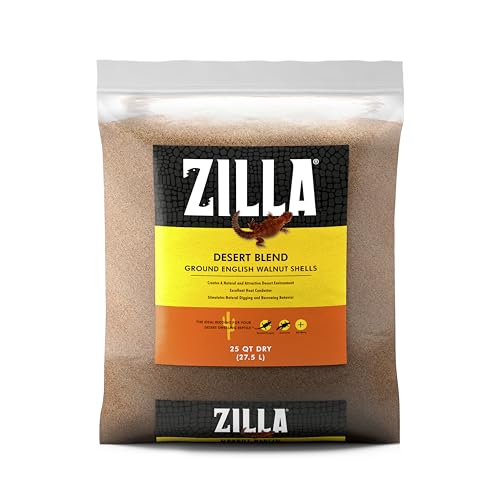
Zilla Desert Blend Substrate for Glass Terrariums
Zilla
Mid-Range
ReptiChip Coconut Substrate Bedding for Terrariums
Reptichip Premium Coconut Substrate
Mid-Range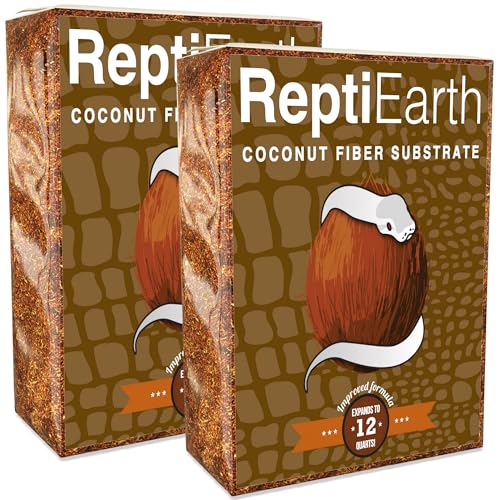
ReptiEarth Coconut Fiber Substrate, 12 Qt, 2 Pack
Reptichip Premium Coconut Substrate
Budget
Coconut substrate bedding for reptiles (36 qt)
Reptichip Premium Coconut Substrate
Mid-Range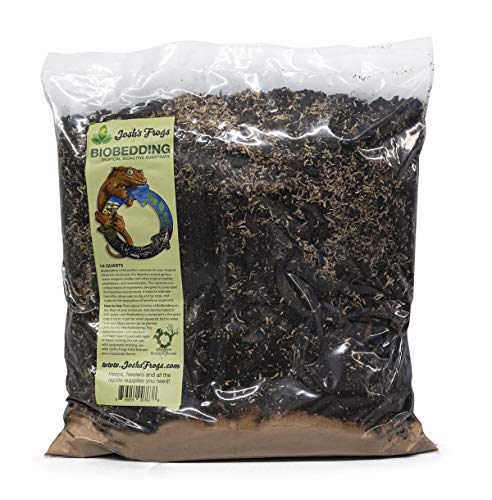
BioBedding Tropical Bioactive Substrate (10 quarts)
Josh's Frogs
Budget
ReptiEarth Reptile Bedding - Coconut Fiber Substrate 36 Qt (2 pk)
Reptichip Premium Coconut Substrate
Mid-Range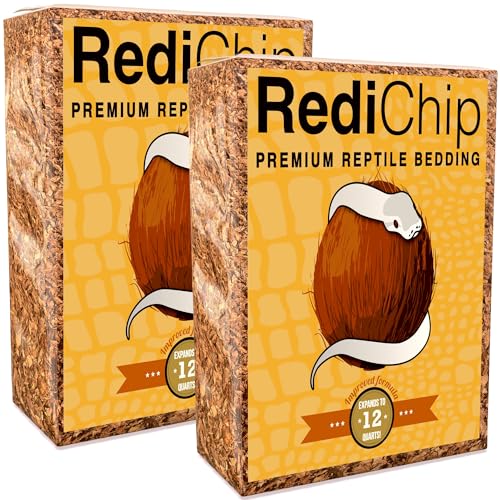
RediChip Reptile Bedding Loose Medium Coconut Chips (2 Pack)
Reptichip Premium Coconut Substrate
Budget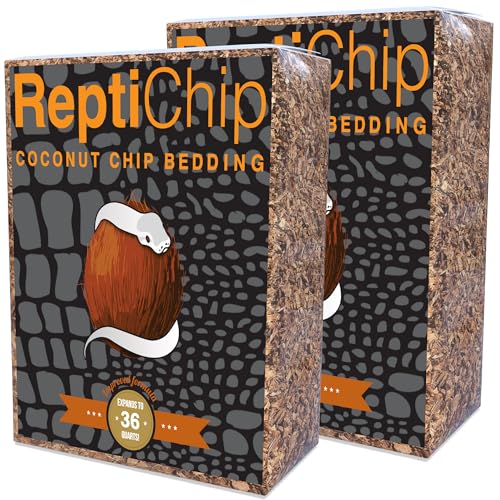
ReptiChip Coconut Substrate Bedding 36 Quart (2 Pack)
Reptichip Premium Coconut Substrate
Mid-Range
ReptiChip Reptile Substrate – Coconut Chip Bedding (Medium) 36 qt
Reptichip Premium Coconut Substrate
Mid-Range
RediChip Reptile Substrate - Coconut Chip Bedding (2 Pk) 36 qt
Reptichip Premium Coconut Substrate
Mid-Range
Forest Floor Bedding 2-Pack (8.8 Litre) by Zoo Med
Zoo Med
Budget
Coconut Substrate for Terrariums – Reptichip (36 qt, 2 pack)
Reptichip Premium Coconut Substrate
Mid-Range
BabiChip Coconut Substrate for Reptiles (4 Pack, 36 qt)
Reptichip Premium Coconut Substrate
Premium
ReptiChip Reptile Bedding Medium Coconut Chip Substrate (4 Pk) 36 qt
Reptichip Premium Coconut Substrate
PremiumRoundups
- Best Terrarium Bedding for Gecko Habitat (2026)
- Best Terrarium Bedding for Tortoise Enclosure (2026)
- Best Terrarium Bedding for Ball Python Terrarium (2026)
- Best Terrarium Bedding Under $200 (2026)
- Best Terrarium Bedding Under $100 (2026)
- Best Terrarium Bedding Under $50 (2026)
- Best Terrarium Bedding (2026 Guide)
Frequently Asked Questions
How do I choose the right terrarium bedding for my pet species?
Choose bedding based on your pet’s natural habitat, humidity needs, and burrowing behavior: desert species do better on dry, inorganic substrates (sand blends, reptile carpet), tropical species need moisture-retaining substrates (coconut fiber, orchid bark, eco earth), and burrowers require loose, deep substrates that hold shape and moisture
How thick should bedding be and how often should it be replaced or refreshed?
Depth depends on species: 1–2 inches for arboreal reptiles, 2–4 inches for ground-dwelling species, and 4+ inches for heavy burrowers. Spot-clean weekly, fully replace or sterilize substrate every 1–6 months depending on material, humidity, and odor buildup
Are there safety concerns or toxic materials I should avoid in terrarium bedding?
Avoid substrates treated with pesticides, fertilizers, or added fragrances; also avoid fine dust-prone materials that can cause respiratory problems. Check that bedding is free from sharp debris, mold, or contaminants and is appropriate for ingestion risk with small or young animals
Which bedding types help control humidity and odor in tropical setups?
Moisture-retaining substrates like coconut coir, sphagnum moss, or bark mixes combined with drainage layers (hydroballs, gravel) help maintain humidity; adding microbial or bioactive components (clean-up crew, leaf litter) can aid odor control by breaking down waste naturally
Can I use the same bedding for different reptiles or small animals?
Not always; different species have varying humidity, burrowing, and ingestion risks. Some substrates are versatile for multiple species, but always match substrate properties to each animal’s needs and avoid sharing bedding between species to reduce disease transmission
How do I set up a bioactive substrate and what maintenance does it need?
A bioactive setup usually includes a drainage layer, substrate mix (soil, sand, coco fiber), live plants, and a clean-up crew (springtails, isopods); maintain by monitoring humidity, avoiding overfeeding, spot-cleaning, and replenishing the clean-up crew or leaf litter as needed