Terrarium Heat Lamps
Terrarium heat lamps for pet care provide directed heating solutions for reptiles and amphibians, including ceramic heat emitters, basking bulbs, and clamp fixtures. The category averages a 4.40 rating across 72 products, with price tiers from about $33 to $191 and brands like DXOPHIEX represented
Top Products

Zoo Med Repti Basking Lamps 75W (4 Pack)
Zoo Med
Budget
15inch dual reptile heat lamp fixture with separate switches
DXOPHIEX
Mid-Range
Reptile lamp stand with adjustable height and swing arm
MECESOR
Budget
DXOPHIEX Reptile Heat Lamp Stand with 360 Swing Arm
DXOPHIEX
Mid-Range
Simple Deluxe Dual Reptile Light Fixture with Separate Switches
Simple Deluxe
Budget
Simple Deluxe Reptile Heat Lamp Cage Guard (2 Pack)
Simple Deluxe
Budget
Reptile heat lamp fixture with thermostatic timer
XFP
Mid-Range
Aluminum 8.1 inch Dome Reptile Light Fixture for UVB/Basking
LUCKY HERP
Budget
Mercury Vapor Bulb (100W) by Mega-Ray
Mega-Ray
Mid-Range
MIXJOY 2 Pack 100W Reptile Heat Lamp Bulb Full Spectrum
MIXJOY
Mid-Range
Simple Deluxe 150W Reptile Heat Bulb with Digital Thermostat
Simple Deluxe
Budget
2 Pack Reptile Light Fixture with 8.5in Deep Dome
CAVACHEW
Mid-Range
Dual reptile light fixture with 100W daytime heat & UVB bulb
REPTITRIP
Mid-Range
Reptile heat lamp fixture with 8.5 inch dome
REPTI HOME
Budget
6 Pack 250W Infrared Heat Lamp Bulbs with E26 Base
BONGBADA
Mid-Range
15 inch dual reptile light fixture with 2x 150W ceramic heat emitters
DXOPHIEX
Mid-Range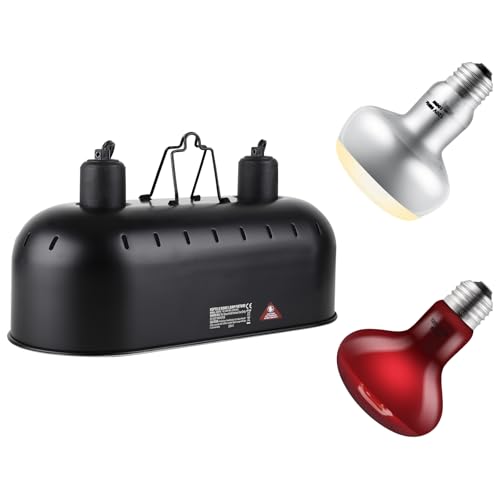
15 inch Dual Reptile Light Fixture with 100W basking and infrared bulbs
DXOPHIEX
Mid-Range
Simple Deluxe 100W Ceramic Reptile Heat Lamp Bulb (6 Pack)
Simple Deluxe
Mid-Range
Simple Deluxe 150W Ceramic Heat Emitter Reptile Lamp
Simple Deluxe
Mid-Range
Dual Reptile Lamp Fixture with 100W UVB/UVA & 100W Ceramic Heat Emitter
REPTITRIP
Mid-Range
T5 HO UVB Reptile Light Bulb - 24W 10.0 UVB, 22" strip
ReptiKing
Budget
Dual Reptile Lamp Fixture with 2x 100W Heaters
REPTITRIP
Mid-Range
Reptile Dome Lamp Fixture with Dimming and Timer
MECESOR
Mid-Range
Dual Reptile Lamp Fixture with 2 Independent Switches
REPTITRIP
Mid-RangeRoundups
Frequently Asked Questions
How do I choose the right wattage and heat output for my terrarium?
Choose wattage based on enclosure size, species' temperature needs, and whether you use supplemental heating; small enclosures often need 25–75W bulbs while larger or cooler-room setups may require 100W or more, and consider heat-emitting ceramic lamps or radiant heat panels for sustained warmth without light
What types of heat lamps are available and which is best for nocturnal or light-sensitive pets?
Common types include incandescent heat bulbs, ceramic heat emitters (no light), halogen bulbs, and infrared bulbs; ceramic heat emitters or infrared heaters are preferred for nocturnal or light-sensitive animals because they provide heat without visible light
How do I ensure safe installation and prevent burns or fires?
Use a fixture rated for the bulb type, mount the lamp securely outside or on a guard to prevent direct contact, maintain proper distance per manufacturer guidance, avoid flammable materials near the lamp, and use a thermostat or temperature controller and a clamp or dome with heat-resistant components
Do I need a thermostat or temperature controller, and how should I monitor temperatures?
Yes — use a thermostat or controller to regulate the lamp and prevent overheating; monitor temperatures with a digital probe thermometer or infrared thermometer at both basking and cool zones and set the controller to maintain species-specific temperature ranges
How long should heat lamps be left on each day?
Match the lamp schedule to the animal's natural day/night cycle: provide a daytime heat/light period of roughly 8–12 hours for diurnal species and keep heat-only night periods as required, using thermostatic control to maintain safe overnight temperatures
What electrical considerations and fixtures should I look for?
Choose fixtures rated for the bulb's wattage, with durable ceramic or metal sockets, grounded plugs, and preferably with built-in guards or clamps; check cord quality and use a GFCI-protected outlet in humid environments
How do I match a lamp to my pet’s heating needs rather than relying on bulb brightness?
Focus on surface temperatures in basking spots and the thermal gradient the lamp creates, consult species-specific temperature requirements, and select bulb type and wattage to achieve those target temperatures rather than judging suitability by visible brightness