Terrarium Heat Mats
Terrarium heat mats for pet care provide low-profile heating pads and thermostats designed to maintain substrate and ambient temperatures for reptiles, amphibians, and invertebrates. The category spans budget to mid-range options (avg price ~(price varies)) with brands like iPower and VIVOSUN commonly represented among the 15 indexed products
Top Products

iPower reptile heat pad under tank heater (2 pack)
iPower
Budget
iPower reptile heating pad with adjustable controller
iPower
Budget
BN-LINK Reptile Heating Pad with Digital Thermostat
BN-LINK
Budget
Tikaton Reptile Heat Pad with adjustable temperature
Tikaton
Budget
Aiicioo under tank heater with thermostat for terrariums
Aiicioo
Mid-Range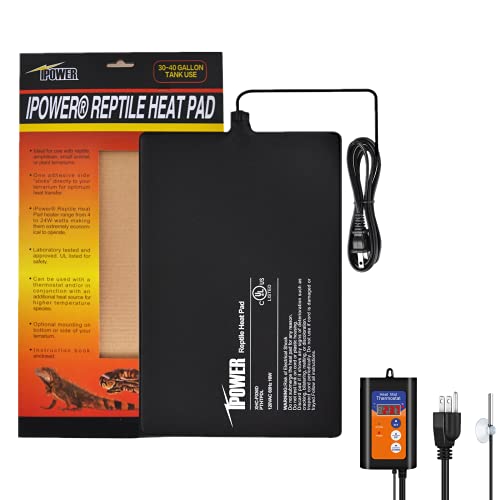
iPower reptile heat pad with thermostat controller
iPower
Mid-Range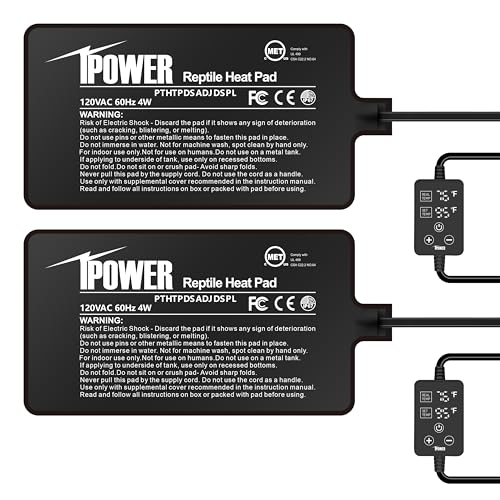
iPower 4x7 inch reptile heating pad with adjustable thermostat
iPower
Budget
VIVOSUN Reptile Heating Pad 8x18 in with Thermostat
VIVOSUN
Mid-Range
iPower reptile heating mat with adjustable controller (2-pack)
iPower
Budget
VIVOSUN reptile heating pad with thermostat for terrariums
VIVOSUN
Budget
iPower reptile heat mat 8x18 in, 24W, 2 pack
iPower
Budget
iPower Reptile Heating Pad 8x18 in with Thermostat
iPower
Budget
iPower 8x18 Inch Reptile Heating Pad with Adjustable Thermostat
iPower
Mid-Range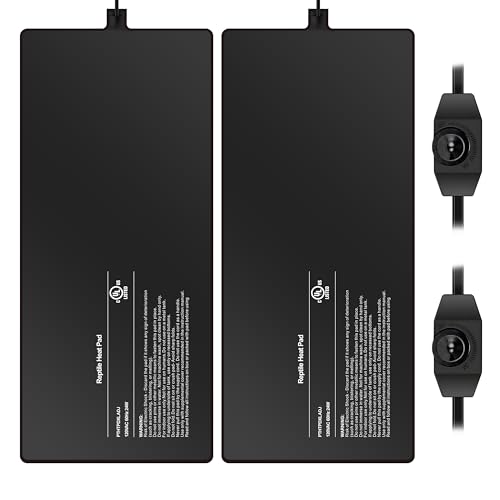
Simple Deluxe reptile heating pad 8x18in 24W with adjustable knob
Simple Deluxe
Budget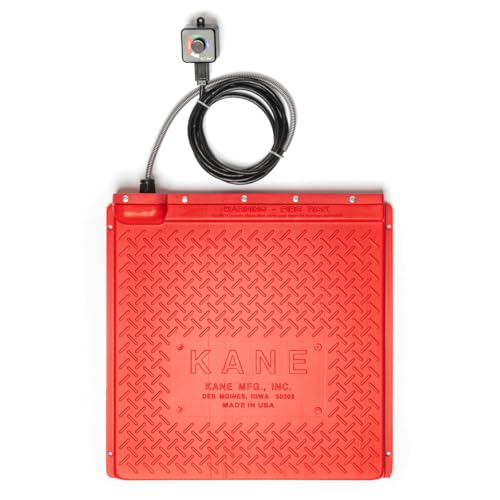
Kane Electric Pet Heat Mat 18x18
KANE
PremiumRoundups
Frequently Asked Questions
How do I choose the right size and wattage for a terrarium heat mat?
Select a mat that matches the floor footprint of the enclosure—ideally covering one-third to half of the tank bottom for a temperature gradient. Wattage usually ranges from about 5 to 30 W per square foot depending on species and ambient room temperature; check the animal’s recommended temperature needs and choose a mat that can achieve those when paired with a thermostat
Do I need a thermostat or temperature controller with a heat mat?
Yes — a thermostat or temperature controller is strongly recommended to prevent overheating and maintain a stable basking or ambient temperature; most heat mats should not be plugged directly into mains without one. Use a probe-type controller placed inside the enclosure where the animal spends time to get accurate regulation
Are heat mats safe for all reptile and amphibian species?
Heat mats are suitable for many ground-dwelling reptiles and amphibians but not recommended for arboreal species that require overhead basking heat. Always verify species-specific thermal requirements and avoid mats for animals that can trap themselves against a hot surface; use a thermostat and monitor surface and enclosure temperatures regularly
How should I install and position a heat mat in the terrarium?
Place the mat on the outside bottom or under one side of the enclosure according to manufacturer instructions to create a warm zone; do not place bedding or substrates directly between the mat and glass if the manual advises against it. Ensure good ventilation around the mat, secure wiring to prevent chewing, and check that the mat remains flat and dry
What maintenance and safety checks are necessary for heat mats?
Inspect cords and the mat surface regularly for cracks, peeling, or heat damage, and replace any damaged units. Clean around the mat per product guidelines (usually wiping exterior surfaces only) and test the thermostat and temperature with an independent thermometer or probe sensor periodically
How much should I expect to spend on a terrarium heat mat and controller?
Standalone heat mats typically fall into budget ranges under $50 for smaller sizes and higher for larger or specialty mats; a separate thermostat or controller commonly adds additional cost. Total setup cost depends on mat size, brand, and whether a combined mat-and-controller unit is purchased
Can I use a heat mat with glass terrariums and lined wooden enclosures?
Yes, heat mats are commonly used with glass tanks and many wooden or plastic enclosures, but follow the mat and enclosure manufacturer's guidance—some wooden or insulated enclosures may retain more heat and require lower wattage or more careful thermostat calibration. Avoid direct contact with combustible materials unless the product specifically states it is safe