Terrarium Substrate
Terrarium substrate products for reptile and amphibian enclosures, including coconut fiber mixes, soil blends, and bark/soil composites designed for humidity control and burrowing. About 28 products indexed with an average rating of 4.57 and price tiers from budget to premium; notable brands include Reptichip Premium Coconut Substrate
Top Products

Zoo Med Eco Earth coconut fiber substrate (8 quarts, 2-pack)
Zoo Med
Budget
Exo Terra Forest Bark Terrarium Substrate, 24 Quarts
Exo Terra
Budget
Jurassic Natural Desert Substrate for Bearded Dragons - Red, 20lb
JurassicNatural
Mid-Range
Jurassic Natural Desert Substrate for Bearded Dragons, 20lb
JurassicNatural
Budget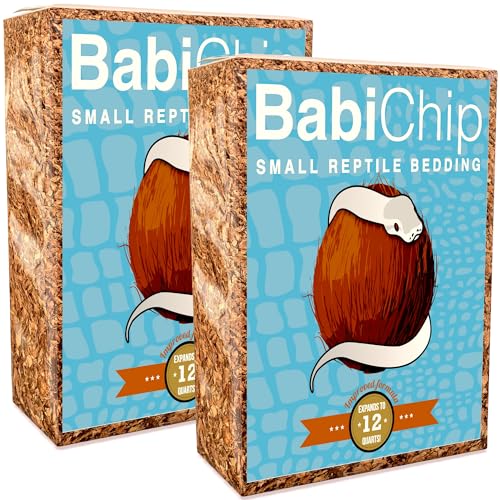
BabiChip Coconut Chip Substrate 2 Pack 12 qt
Reptichip Premium Coconut Substrate
Budget
Reptile Substrate Carpet Mat 118" x 23.6"
REPTI ZOO
Budget
BioBedding Desert Substrate (10 Quart) by Josh's Frogs
Josh's Frogs
Mid-Range
Coconut Substrate for Inverts & Reptiles – 12 Quart (2 Pack)
Reptichip Premium Coconut Substrate
Mid-Range
Coconut Substrate for Inverts and Reptiles – 36 Quart
Reptichip Premium Coconut Substrate
Mid-Range
Terra Sahara Bioactive Reptile Substrate, 36 qt
BIODUDE
Mid-Range
Australian Desert Dragon Substrate for Bearded Dragons (20lb) – Desert020
JurassicNatural
Mid-Range
P.J Murphy Sani-Chips Forest Floor Substrate for Reptiles
P.J Murphy Forest Products
Mid-Range
Halatool 2.5lb Sphagnum Moss for Reptiles - 60qt Terrarium Substrate
Halatool
Budget
ReptiChip Coconut Substrate – 72 qt compressed bedding
Reptichip Premium Coconut Substrate
Premium
ReptiEarth Fine Coconut Fiber Substrate (3 Pack) for Terrariums
Reptichip Premium Coconut Substrate
Mid-Range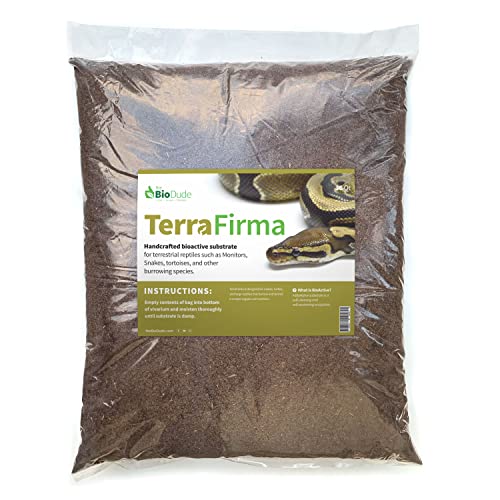
BioDude Terra Firma Reptile Substrate 36 qt
BIODUDE
Mid-Range
Texas Live Oak Leaf Litter for Reptiles (3 Gallon)
Lone Star Leaf Litter
Mid-Range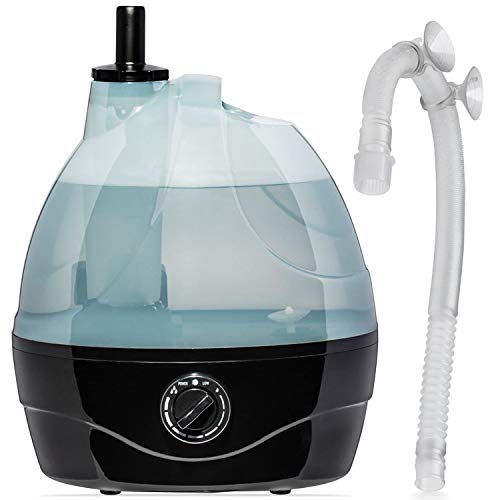
Evergreen Reptile Fogger & Humidifier, 2 L Tank, Adjustable Mist
Evergreen Pet Supplies
Mid-Range
REPTIBARK 45-90 gallon reptile substrate (24qt)
Unknown
Budget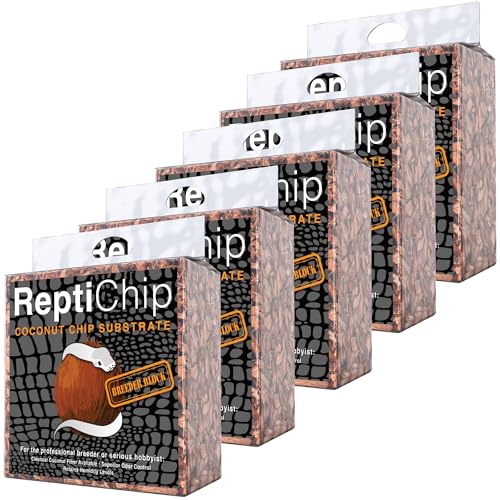
ReptiChip Coconut Substrate 72-Quart Brick Bedding for Reptiles
Reptichip Premium Coconut Substrate
Premium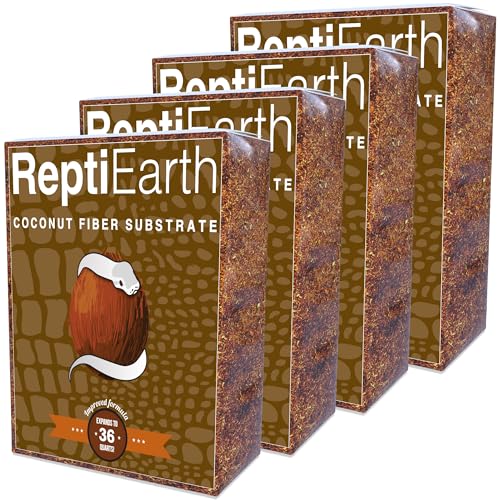
ReptiEarth Coconut Fiber Reptile Bedding 4 Pack 36 QT
Reptichip Premium Coconut Substrate
Premium
Cork Bark 1lb for Terrariums and Orchids
EZ Botanicals
Budget
Reptile fogger 3.5L terrarium humidifier
ReptiKing
Mid-Range
ReptiChip Coconut Substrate 72-Quart Brick Bedding
Reptichip Premium Coconut Substrate
PremiumRoundups
Frequently Asked Questions
How do I choose the right terrarium substrate for my reptile or amphibian?
Choose based on the species' natural habitat, humidity needs, burrowing behavior, and sensitivity to ingestion; for example, moisture-retaining coconut- or peat-based mixes suit tropical species, while sand or gravel mixes work for arid species. Check substrate particle size and dust levels to reduce impaction and respiratory issues, and opt for mixes labeled safe for your specific animal type
What are the main types of terrarium substrates and their typical uses?
Common types include coconut coir and peat mixes for high humidity and plant growth, bark and soil blends for forest-floor setups, sand and crushed stone for desert enclosures, and bioactive topsoils designed to support live plants and cleanup organisms. Each type differs in water retention, drainage, and suitability for burrowing or plant rooting
How much should I expect to spend on substrate and are there budget options?
Prices vary by material, brand, and bag size; expect a range from budget options under $30 for simple substrates to higher-end or specialty blends that average above $50 per bag. For larger terrariums or bioactive setups, factor in multi-bag purchases or substrate layering, which raises total cost
How do I prepare and maintain substrate to keep my enclosure healthy?
Before use, remove debris and lightly moisten many loose substrates; follow manufacturer prep instructions for sterilization if needed. Maintain by spot-cleaning waste daily, replacing or topping up substrate as it degrades, monitoring humidity and odor, and replacing the entire substrate on a schedule appropriate to the material and bio-load (often several months to a year)
Is substrate dust or ingestion a health risk, and how can I minimize it?
Fine dust can cause respiratory irritation and ingestion of loose particles can lead to impaction, especially in young or burrowing animals. Minimize risks by rinsing and soaking substrates that produce dust, choosing low-dust or larger-particle blends, using a barrier layer (e.g., slate or tiles) in feeding areas, and supervising feeding to reduce substrate ingestion
Can I use substrate to establish a bioactive terrarium, and what do I need to add?
Yes — a bioactive substrate typically includes layered drainage, a soil or loam top layer, and amendments to support plants and microfauna; you must add cleanup organisms like springtails and isopods and choose live plants compatible with your pet. Ensure substrate depth and composition meet the needs of both the inhabitants and the plants you select
How much substrate depth do different animals need?
Depth depends on species: arboreal reptiles often require shallow substrate (1–2 inches) mainly for humidity and aesthetics, terrestrial or ground-dwelling species usually need 2–4+ inches, and burrowing animals require deeper layers (4–12+ inches) to allow natural digging behavior. Always match depth to the animal's natural behavior and enclosure size