Veterinary Diet Dog Food
Veterinary diet dog food includes prescription and clinically formulated formulas for conditions like renal, gastrointestinal, weight, and food-sensitivity management, with about 119 products averaging a 4.55 rating. Brands include HILL'S PRESCRIPTION DIET and other veterinary-focused labels across mid-range to premium price points (avg ~(price varies))
Top Products

Hill's Prescription Diet c/d Multicare Urinary Care Chicken Flavor Dry Dog Food
HILL'S PRESCRIPTION DIET
Mid-Range
Hill's Prescription Diet z/d Small Bites Hydrolyzed Dry Dog Food
HILL'S PRESCRIPTION DIET
Mid-Range
Hill's Prescription Diet k/d Kidney Care with Chicken Dry Dog Food
HILL'S PRESCRIPTION DIET
Mid-Range
Hill's Prescription Diet r/d Weight Reduction Chicken Flavor Dry Dog Food 8.5 lb
HILL'S PRESCRIPTION DIET
Mid-Range
t/d Dental Care Small Bites Chicken Flavor Dry Dog Food
HILL'S PRESCRIPTION DIET
Mid-Range
Hill's Prescription Derm Complete Skin & Food Sensitivities Dry Dog Food
HILL'S PRESCRIPTION DIET
Mid-Range
Hill's Prescription Diet c/d Multicare Urinary Care Chicken & Vegetable Stew - Wet Dog Food
HILL'S PRESCRIPTION DIET
Mid-Range
Hill's prescription diet z/d hydrolyzed dry dog food
HILL'S PRESCRIPTION DIET
Mid-Range
Hill's Prescription Diet t/d Dental Care Dog Food Chicken Flavor 5 lb
HILL'S PRESCRIPTION DIET
Mid-Range
Hill's Prescription Diet u/d Urinary Care Dry Dog Food
HILL'S PRESCRIPTION DIET
Mid-Range
Purina Pro Plan Veterinary Diets UR Urinary Ox/St Dog Food, Dry, 6 lb
Pro Plan Veterinary Diets
Mid-Range
Hill's Prescription Diet d/d Potato & Salmon Dog Food (Dry) 8 lb
HILL'S PRESCRIPTION DIET
Mid-Range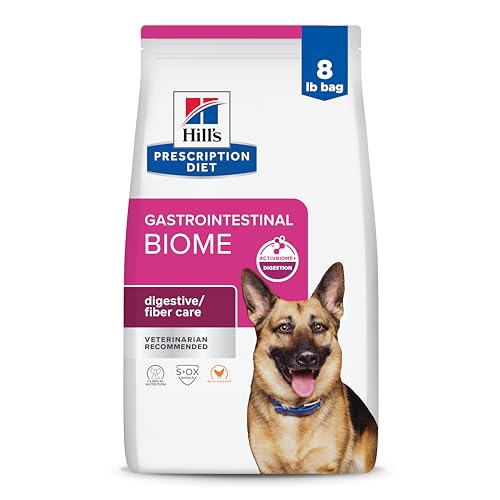
Hill's Prescription Diet Gastrointestinal Biome Dry Dog Food with Chicken
HILL'S PRESCRIPTION DIET
Mid-Range
Hill's Prescription Diet d/d Potato & Venison Formula Dry Dog Food
HILL'S PRESCRIPTION DIET
Mid-Range
Hill's Prescription Diet k/d Kidney Care with Lamb Dry Dog Food
HILL'S PRESCRIPTION DIET
Mid-Range
Hill's i/d Digestive Care Chicken & Vegetable Stew - Veterinary Diet, 5.5 oz, 24-Pack
HILL'S PRESCRIPTION DIET
Mid-Range
Hill's Prescription Diet i/d Digestive Care Dry Dog Food
HILL'S PRESCRIPTION DIET
Mid-Range
Hill's Prescription Diet i/d Digestive Care with Turkey Canned Dog Food
HILL'S PRESCRIPTION DIET
Mid-Range
Hill's Prescription Diet i/d Low Fat Digestive Care Dog Food
HILL'S PRESCRIPTION DIET
Mid-Range
Pro Plan Veterinary Diets Hydrolyzed Protein Dog Food – 6 lb
Pro Plan Veterinary Diets
Mid-Range
Pro Plan Veterinary Diets Hydrolyzed Protein Dog Food – Salmon, 6 lb
Pro Plan Veterinary Diets
Mid-Range
Pro Plan Veterinary Diets Hydrolyzed Protein Dog Food, Vegetarian Formula, 6 lb
Pro Plan Veterinary Diets
Mid-Range
Hill's Prescription Diet w/d Multi-Benefit Dog Food (Chicken) 17.6 lb
HILL'S PRESCRIPTION DIET
Premium
Purina Pro Plan Veterinary Diets EN Gastroenteric Naturals Canine Wet Food (Pack of 12, 13.4 oz)
Pro Plan Veterinary Diets
Mid-RangeRoundups
Frequently Asked Questions
How do I choose the right veterinary diet dog food for my dog's condition?
Select a formula based on the diagnosed medical condition (e.g., renal, gastrointestinal, weight management, urinary, dermatologic) and follow your veterinarian's recommendation; check the label for therapeutic purpose, feeding guidelines, and any contraindications for concurrent conditions or medications
Do I need a prescription to buy veterinary diet dog food?
Many veterinary therapeutic diets require a veterinarian's prescription because they are formulated for specific medical conditions, though some brands offer non-prescription clinical support lines or over-the-counter veterinary formulas; verify label and retailer requirements before purchasing
How should I transition my dog to a veterinary diet safely?
Transition gradually over 7–10 days by mixing increasing proportions of the new diet with the current food to reduce gastrointestinal upset, and consult your veterinarian if your dog shows vomiting, diarrhea, loss of appetite, or other adverse signs during the transition
What should I expect in terms of cost and value for veterinary diet dog food?
Veterinary diets are typically more expensive than standard commercial foods due to targeted formulations; across this category prices vary widely but average around the low hundreds per typical multi-kilogram supply, so consider package size, feeding rate, and a veterinarian's assessment of expected duration to plan budget
Are there important ingredient or nutritional differences to look for?
Look for ingredients tied to the therapeutic goal—reduced protein or phosphorus for renal support, hydrolyzed proteins or novel proteins for food sensitivities, controlled minerals for urinary conditions, and specific fiber blends for gastrointestinal health—and ensure the diet meets AAFCO or local regulatory nutritional adequacy statements appropriate for your dog's life stage if applicable
Can I use veterinary diet food long-term and are there monitoring recommendations?
Some veterinary diets are formulated for long-term maintenance while others are intended for short-term use; follow your veterinarian's guidance on duration and schedule periodic reassessments (weight, bloodwork, urinalysis, clinical signs) to monitor efficacy and safety
What if my dog refuses the veterinary diet or has adverse reactions?
If your dog refuses the food, try different textures or flavors within the same therapeutic category, warming slightly, or mixing with a small amount of veterinarian-approved topper; stop the diet and contact your veterinarian promptly if you observe vomiting, severe diarrhea, allergic reactions, or marked behavioral changes