Air Pistols
Air Pistols in Sports & Outdoors covers CO2, spring-piston, and pneumatic handguns for target shooting, plinking, and training, with models ranging from budget to premium. The category averages a 4.34 rating across 34 indexed products and includes brands such as Umarex and Crosman
Top Products

Crosman air pistol with pneumatic design, 600 fps
Crosman
Premium
Crosman air pistol with pneumatic design and adjustable sights
Crosman
Premium
Daisy Model 693 Pistol (Silver)
Daisy
Mid-Range
Crosman air pistol with pneumatic multi-pump power
Crosman
Premium
Umarex XBG .177 Caliber BB Air Pistol
Umarex
Budget
Umarex Colt Defender .177 BB Pistol (Air Pistol)
Umarex
Mid-Range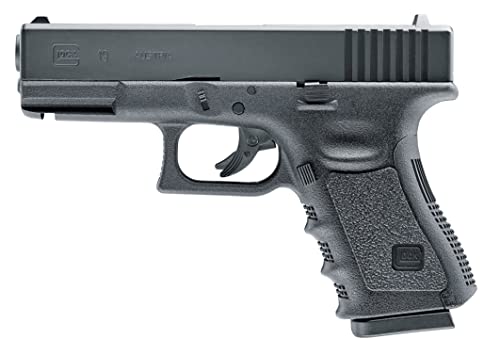
Umarex Glock 19 Gen3 .177 BB Air Pistol
Umarex
Premium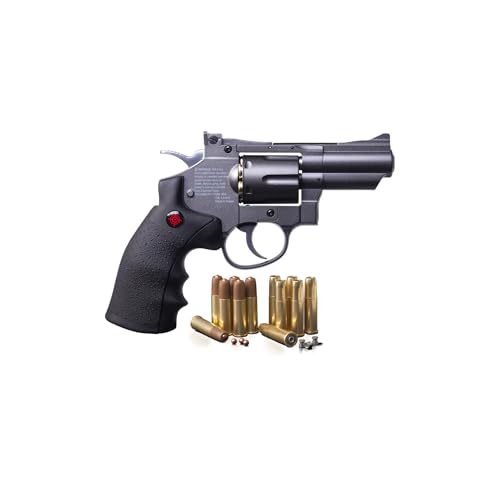
Crosman SNR357 CO2-powered Revolver (air pistol)
Crosman
Premium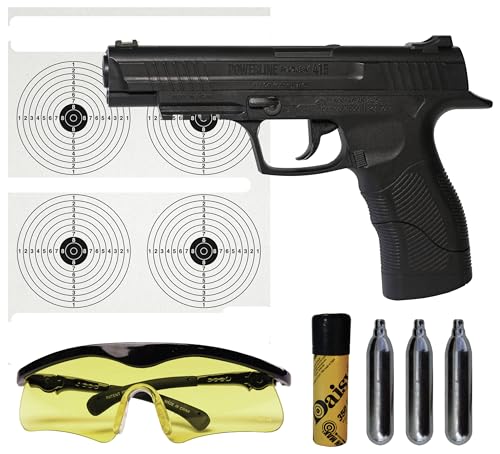
Daisy Powerline 415 Pistol Air Gun Kit
Daisy
Mid-Range
Umarex MCP .177 Caliber BB Gun Kit
Umarex
Mid-Range
Umarex Glock 17 Blowback BB Gun Air Pistol
Umarex
Premium
Umarex Air Pistol
Umarex
Premium
Umarex Legends P.08 All Metal .177 cal BB Gun Air Pistol
Umarex
Mid-Range
Umarex Colt Peacemaker Air Pistol – Six-Shooter .177 Cal
Umarex
Premium
Umarex Strikepoint .177 Caliber Pellet Airgun
Umarex
Mid-Range
Umarex Browning Buck Mark URX Single Shot Break Barrel .177 Cal Pellet Gun Air Pistol
Umarex
Mid-Range
Defense Innovation Umarex TR50 .50 Caliber Home Defense Revolver HDR
Defense Innovation
Premium
Gamo P-430 Dual Pellet/BB Air Pistol
Gamo
Mid-Range
Umarex Trevox break barrel air pistol
Umarex
Premium
Springfield Armory 1911 Mil-Spec CO2 BB Pistol 177 cal
SPRINGFIELD ARMORY
Premium
Umarex Ruger Mark IV Break Barrel Air Pistol .177
Umarex
Mid-Range
Crosman 1911BB 40001 CO2-Powered BB Air Pistol
Crosman
Mid-Range
P2P .50 Caliber Home Defense Air Pistol
Prepared 2 Protect
Premium
P2P HDP50 0.50 Cal Pepper Round Air Pistol
Prepared 2 Protect
PremiumRoundups
Frequently Asked Questions
How do I choose the right air pistol for target shooting versus plinking or self-defense training?
For precision target shooting choose a pistol with consistent velocity, good sights or optics compatibility, and a heavier, well-balanced frame; for casual plinking look for affordability, ease of use, and simple maintenance; for self-defense training prioritize realistic weight and controls, semi-automatic action if you need cycle training, and models that safely simulate recoil and handling
What power sources do air pistols use and how do they affect performance?
Air pistols commonly use spring-piston, CO2 cartridges, pre-charged pneumatic (PCP) tanks, or compressed air cartridges; spring-piston is simple and inexpensive but has more recoil, CO2 offers easy repeat shots and moderate power but is temperature-sensitive, and PCP provides the most consistent velocity and higher power at higher initial cost and need for filling equipment
What pellet or projectile types should I use and does caliber matter?
Pellets are typically .177 or .22 caliber; .177 is flatter-shooting and common for target accuracy, while .22 delivers greater impact and energy for small pest control; use round-nose or wadcutter pellets for accuracy and hollowpoints or frangible projectiles where energy transfer or reduced penetration is desired—always match pellet weight and type to the pistol's recommended velocity for best performance
What safety and legal considerations should I check before buying an air pistol?
Verify local and state laws about ownership, transport, and where you can discharge air pistols; follow basic safety practices—treat every pistol as loaded, keep the muzzle pointed in a safe direction, use eye protection, and store unloaded and secured away from unauthorized users; also confirm any age restrictions and permit requirements that may apply
How much should I expect to spend and what are the cost trade-offs?
Air pistol prices vary widely—budget options can be under $50, many midrange models fall between $50 and $200, and higher-end or PCP systems can cost several hundred dollars; lower-cost pistols are good for casual use but may require more maintenance and offer less consistency, while pricier models provide better accuracy, durability, and features like optics-ready rails
What routine maintenance do air pistols require to stay reliable?
Regular maintenance includes keeping the barrel clean of lead and debris, lubricating seals and moving parts with manufacturer-recommended oils, checking and replacing O-rings or CO2 cartridges as needed, and storing the pistol in a dry, temperature-stable environment to prevent seal degradation and corrosion
Which features should I prioritize for accuracy?
Prioritize a stable, rigid barrel and action, adjustable sights or the ability to mount optics, consistent power source (PCP or quality spring/CO2 system), quality-made pellets matched to the pistol's bore, and a comfortable ergonomic grip that allows repeatable hand placement