Baseball Infielder's Mitts
Top Products

Rawlings Adult Baseball/Slowpitch Glove 12.5" First Base Mitt
Rawlings
Mid-Range
Rawlings Adult First Base Mitt - 12.5 inch, leather
Rawlings
Mid-Range
Rawlings Sure Catch Youth Softball Glove 10"-12.5"
Rawlings
Mid-Range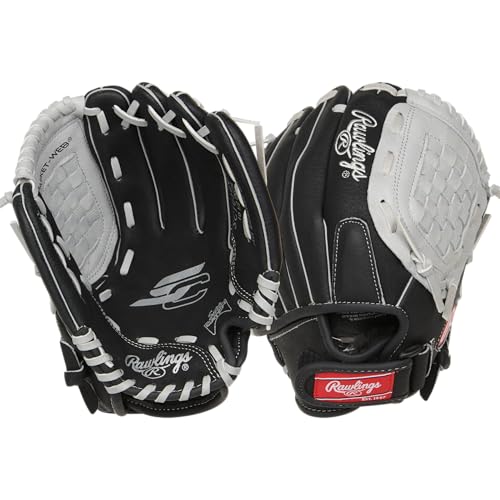
Rawlings Sure Catch T-Ball & Youth Baseball Glove 9.5"-11.5"
Rawlings
Mid-Range
Rawlings Renegade Adult Baseball/Softball Glove
Rawlings
Budget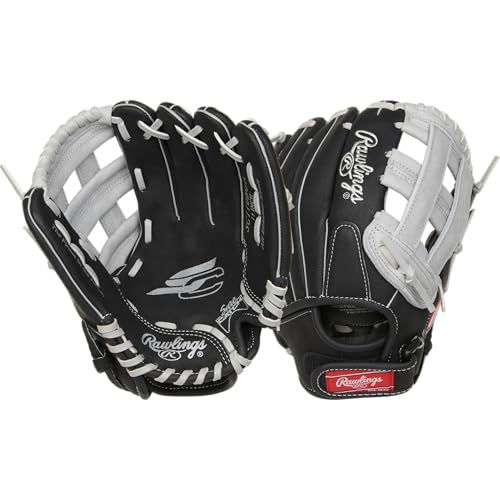
Rawlings Sure Catch T-Ball & Youth Baseball Glove (9.5"-11.5")
Rawlings
Mid-Range
Rawlings Sure Catch T-Ball & Youth Glove 9.5"–11.5"
Rawlings
Mid-Range
Rawlings Renegade adult ball glove (baseball/softball) — left/right hand throw
Rawlings
Mid-Range
Franklin Girls Softball Glove – Windmill Fastpitch/Infield
Franklin Sports
Budget
Rawlings Sure Catch T-Ball & Youth Baseball Glove (9.5"-11.5")
Rawlings
Mid-Range
Rawlings Sure Catch T-Ball & Youth Baseball Glove (9.5"-11.5")
Rawlings
Mid-Range
Rawlings Sure Catch Series Youth Softball Glove 10"-12.5"
Rawlings
Mid-Range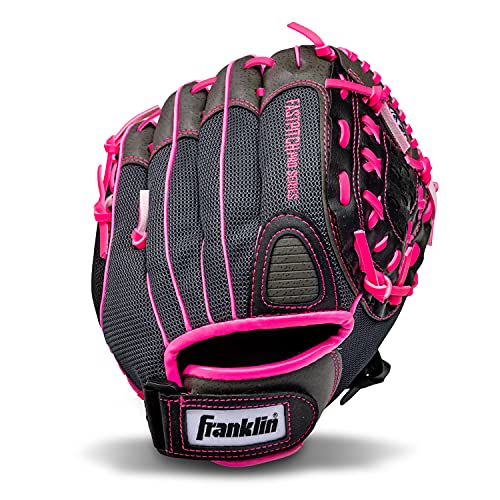
Franklin Sports Girls Softball Glove - Windmill Fastpitch + Slowpitch
Franklin Sports
Mid-Range
Rawlings Sure Catch Youth Softball Glove 10"-12.5"
Rawlings
Mid-Range
Mizuno youth baseball glove prospect powerclose I v-flex Notch
Mizuno
Mid-Range
Mizuno Prospect PowerClose Youth Baseball Glove Series I
Mizuno
Mid-Range
Rawlings Player Preferred adult baseball/slowpitch glove
Rawlings
Premium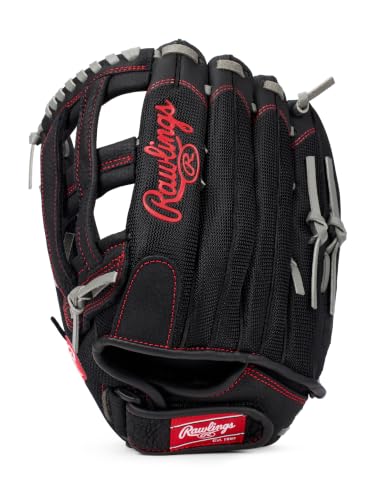
Rawlings Renegade Adult Baseball/Slowpitch Glove
Rawlings
Mid-Range
Mizuno Prospect PowerClose Youth Baseball Glove
Mizuno
Mid-Range
Mizuno Prospect PowerClose Youth Baseball Glove
Mizuno
Mid-Range
Rawlings Renegade Adult Baseball/Softball Glove
Rawlings
Mid-Range
Mizuno Prospect PowerClose Youth Baseball Glove
Mizuno
Mid-Range
Mizuno youth baseball glove series I V-Flex notch
Mizuno
Mid-Range
Mizuno Prospect PowerClose Youth Baseball Glove
Mizuno
Mid-RangeRoundups
Frequently Asked Questions
How do I choose the right size and web pattern for an infielder's mitt?
Infielder mitts typically range from 11 to 12 inches; smaller sizes (11–11.5") offer quicker transfer for middle infielders while larger sizes (11.5–12") suit third basemen and first-time adult players. Web patterns: I-web and H-web are common for quick ball retrieval and visibility, while closed webs offer more pocket control for players who need to secure hard-hit grounders
What materials should I look for and how do they affect performance?
Leather is the standard—full-grain and steerhide offer durability and a firmer break-in, while kip leather is lighter with a faster break-in; synthetic or junior models are lighter and lower-cost but wear faster. Higher-grade leather usually gives better shape retention, feel, and longevity but requires more break-in and care
What's a reasonable budget for an infielder's mitt and what to expect at different price points?
Prices commonly range from budget options under $50 for youth/synthetic gloves, mid-range $50–$150 for quality leather gloves suitable for most players, and higher-end models above $150 for premium leather and pro-level construction; average price across many listings is around $80
How should I break in and maintain an infielder's mitt?
Break in gradually by playing catch and using ball-shaping techniques (placing a ball in the pocket and securing with a band or glove wrap); apply a small amount of glove oil or conditioner sparingly to leather models to prevent drying. Store the mitt in a dry, ventilated place and avoid excessive heat, which can dry and warp leather
What glove features matter most for quick fielding and transfer?
A shallow, quick pocket, snug fit, and a flexible wrist/hinge area speed transfers; lighter-weight linings and thinner lacing can also reduce break-in time and improve quickness. Web style and finger stalls influence visibility and control during tosses and plays
How do I determine the correct fit and hand orientation (left- or right-hand throw)?
Try the glove on: your throwing hand should fit comfortably in the back with fingers in the finger stalls and heel snug; there should be minimal slippage. For orientation, a 'left-hand throw' (LHT) glove is worn on the right hand and used by players who throw with their left hand; a 'right-hand throw' (RHT) glove is worn on the left hand for right-handed throwers
Are there differences between youth and adult infielder mitts I should consider?
Youth mitts are smaller, lighter, and often made of softer or synthetic materials for easier break-in and control; adult mitts use larger sizes and heavier leather for durability. Choose youth sizes by age and hand size rather than skill alone to ensure proper development of fielding mechanics