Baseball & Softball Batting Trainers
Training aids for baseball and softball batting including weighted bats, tee systems, swing trainers, and reaction devices to develop power, timing, and bat speed. The 48 indexed products average a 4.45 rating and span budget through mid-range prices (about $36–$225), with brands like SKLZ commonly represented
Top Products
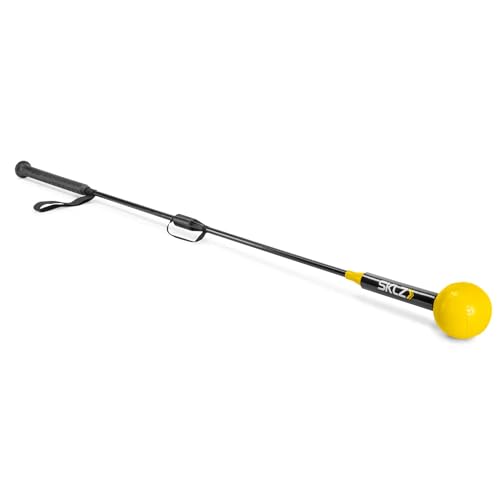
Hitting Stick Batting Swing Trainer by SKLZ
SKLZ
Mid-Range
Power Stick Training Bat for Baseball and Softball
SKLZ
Mid-Range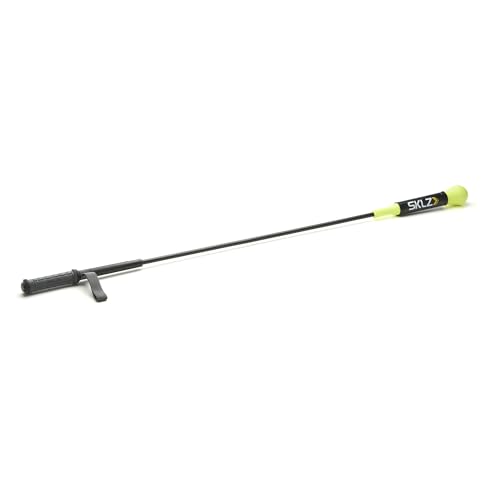
Hitting Stick Batting Swing Trainer by SKLZ
SKLZ
Mid-Range
SKLZ Hitting Stick Batting Swing Trainer
SKLZ
Mid-Range
Hit-A-Way Batting Swing Trainer for Baseball and Softball
SKLZ
Mid-Range
Insider Bat Baseball/Softball Swing Trainer
Insider Bat
Mid-Range
Insider Bat Baseball & softball batting trainer
Insider Bat
Mid-Range
Hitting Stick Batting Swing Trainer - 54" coaching tool
Tomaki
Mid-Range
GoSports Strike Zone Target for Wiffle/Blitzball
GoSports
Mid-Range
Baseball Hitting Stick with extended grip for training
DeeHai
Mid-Range
Baseball Hitting Stick with extended grip for training
DeeHai
Budget
Zip-N-Hit Baseball Batting Trainer
SKLZ
Mid-Range
Hurricane Batting Swing Trainer by SKLZ
SKLZ
Premium
Line Drive Pro Swing Trainer for Baseball & Softball
Line Drive Pro
Mid-Range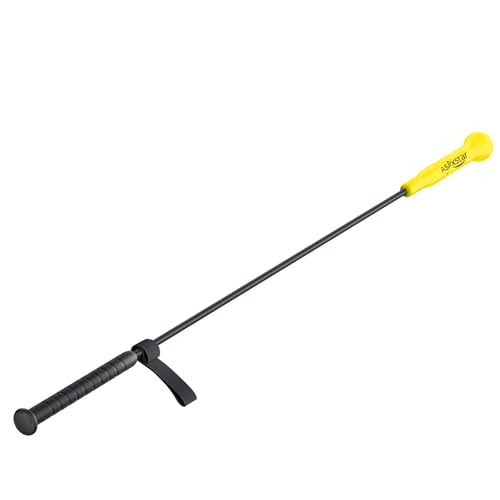
Baseball Hitting Trainer with Durable Shaft and Grip
Asyxstar
Mid-Range
Rope Bat - Swing Trainer for Baseball & Softball
Rope Bat
Premium
Hurricane Batting Swing Trainer with 4 Power Bands
SKLZ
Premium
SKLZ Hurricane Batting Swing Trainer
SKLZ
Premium
Velo Puck Pro Puck Technology for baseball bats
VELO Sports
Mid-Range
Hit-A-Way Portable Baseball Swing Trainer with Stand
SKLZ
Premium
Driveline Smash Factor Foam Balls (12 pack) for baseball/softball hitting practice
Driveline Baseball
Premium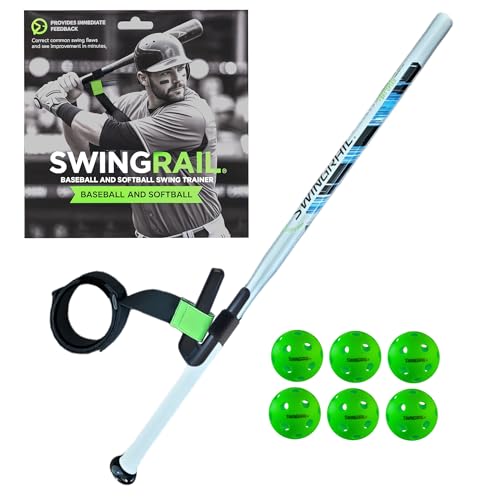
SWINGRAIL baseball & softball swing trainer, speed stick, and 6 training balls
SWINGRAIL
Mid-Range
Velo Puck Pro Puck Technology for Baseball Bats
VELO Sports
Mid-Range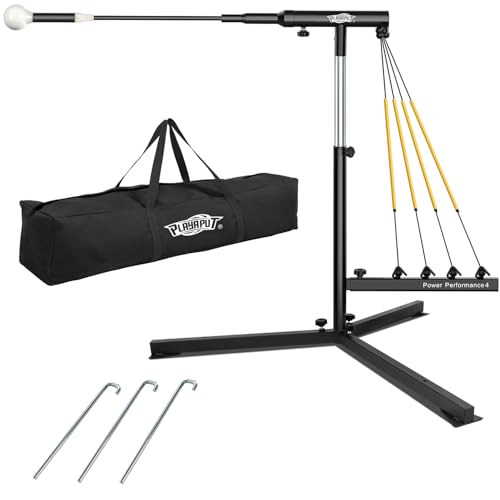
Baseball swing trainer with 4 power bands
PLAYAPUT
PremiumRoundups
- Best Baseball & Softball Batting Trainers for Hand-Eye Coordination Drills (2026)
- Best Baseball & Softball Batting Trainers for Practice Sessions (2026)
- Best Baseball & Softball Batting Trainers Under $200 (2026)
- Best Baseball & Softball Batting Trainers Under $100 (2026)
- Best Baseball & Softball Batting Trainers Under $50 (2026)
- Best Baseball & Softball Batting Trainers (2026 Guide)
Frequently Asked Questions
How do I choose the right batting trainer for my skill level?
Match the trainer to your goals: beginner models focus on timing and contact (tee substitutes and simple swing trainers), intermediate tools add resistance or weighted bats for strength and bat speed, and advanced devices emphasize launch angle, hand path, or return-to-hitting mechanics. Consider age, size, and whether you need portable or stationary equipment
What features matter most when comparing batting trainers?
Key features include adjustability (height/angle), feedback type (auditory, visual, or mechanical), portability and setup time, materials/durability, and compatibility with the bat types you use. Sensors or electronic trackers add data like swing speed and path but increase cost and care needs
What price range should I expect for quality batting trainers?
Prices vary widely: basic contact/training aids often fall under $50, mid-range multi-feature trainers commonly range from $50 to $150, and sensor-equipped or heavy-duty units can cost (price varies) and up. The category average price is around $100
Are sensor-based or electronic trainers worth it?
Sensors provide objective metrics (swing speed, bat path, impact location) that can accelerate measurable improvement, but they add cost, require charging or batteries, and may need apps for full functionality. Choose them if you want data-driven feedback and are comfortable with tech upkeep
How durable are batting trainers and what maintenance do they need?
Durability depends on materials and intended use; metal and heavy-duty plastics last longer under repetitive strikes, while elastic bands or foam components wear faster. Regularly check fasteners, replace worn bands or grips, keep electronic parts dry, and follow manufacturer cleaning instructions
Can I use a batting trainer for both baseball and softball?
Many trainers are usable for both if they allow height/angle adjustments and accept the bat diameters you use, but some are tuned to specific pitching heights or ball sizes. Verify adjustable range and whether the product description mentions baseball/softball compatibility
What safety considerations should I keep in mind?
Ensure stable setup on flat ground, keep bystanders clear of the swing path and rebound area, inspect for cracked or frayed components before use, and use appropriate protective gear (helmets) when practicing with live or rebounding balls