Baseball & Softball Pitching Machines
This category covers baseball and softball pitching machines and accessories for training and practice, ranging from compact youth units to heavier-duty models. Fourteen products average a 4.15 rating and span budget through mid-range prices (about $40–$440), with brands like Franklin Sports and Louisville Slugger represented
Top Products

Louisville Slugger Blue Flame Pitching Machine
Louisville Slugger
Premium
Furlihong 380BH Baseball Pitching Machine – Battery Powered, Adjustable Angles
Furlihong
Mid-Range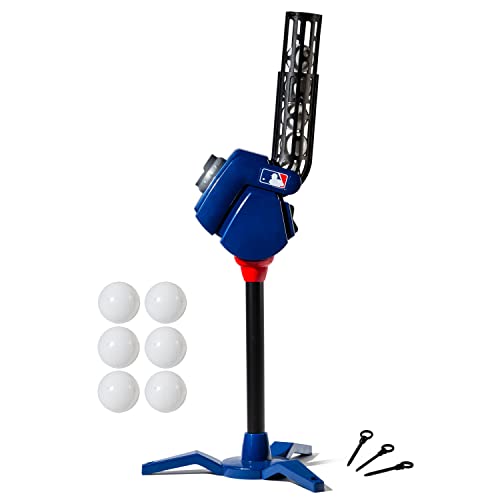
Franklin Sports Baseball Pitching Machine – Adjustable Hitting & Fielding Practice
Franklin Sports
Mid-Range
Furlihong 692BH Baseball Pitching Machine
Furlihong
Premium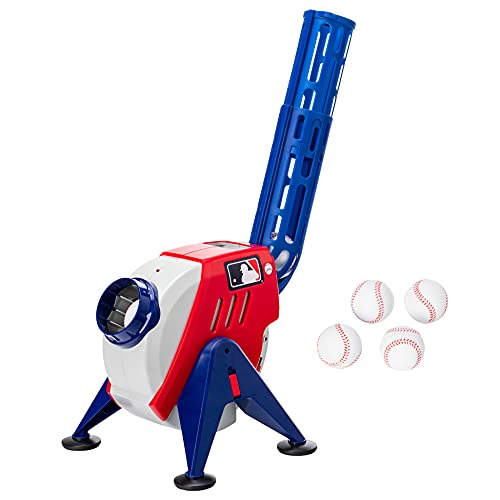
Franklin Sports Kids Pitching Machine for Batting Practice
Franklin Sports
Premium
Furlihong 898BH Baseball Soft Toss Machine
Furlihong
Mid-Range
Franklin Kids Pitching Machine for batting practice
Franklin Sports
Premium
Furlihong Baseball Pitching Machine (4 angles) for beginners
Furlihong
Mid-Range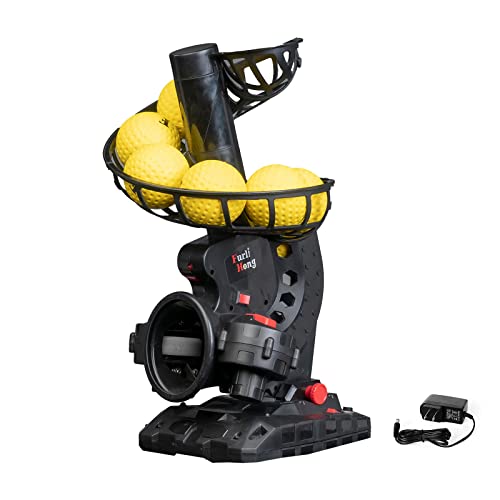
Furlihong Electronic Baseball Pitching Machine, Adjustable Speed & Angle
Furlihong
Premium
Heater 360 Baseball Pitching Machine with Auto Ball Feeder
Heater
Premium
Furlihong 6902BHA Rechargeable Baseball/Softball Toss Machine
Furlihong
Premium
PowerNet Launch F-lite pitching machine with balls & bucket bundle
PowerNet
Premium
Heater Jr. Baseball Pitching Machine – Portable, adjustable speed
Heater
Premium
PowerNet Launch F-lite pitching machine for baseball & softball
PowerNet
PremiumRoundups
- Best Baseball & Softball Pitching Machines for Solo Practice Sessions (2026)
- Best Baseball & Softball Pitching Machines for Backyard Batting Practice (2026)
- Best Baseball & Softball Pitching Machines Under $200 (2026)
- Best Baseball & Softball Pitching Machines Under $100 (2026)
- Best Baseball & Softball Pitching Machines (2026 Guide)
Frequently Asked Questions
How do I choose the right pitching machine for my skill level?
Beginner players or parents typically choose simple single-wheel or arm-style machines with adjustable but limited speed ranges; intermediate and advanced users often prefer two-wheel or tumble-style machines that offer higher speeds, spin control, and more pitching modes. Consider the age and strength of the batter, the desired realism (e.g., ability to add pitches like curveballs), and portability when choosing
What are the important features to compare between pitching machines?
Compare pitch type capability (fastball, curve, slider), speed range and variability, feed system (manual vs. automatic hopper), portability and weight, power source (AC, battery, or rechargeable), and durability of contact parts. Also check ease of angle adjustment and safety features like ball guards or remote controls
What is a reasonable price range for baseball and softball pitching machines?
Pitching machines range from budget models under $100 for basic arm-style or youth machines up to several hundred dollars for two-wheel or multi-pitch models; specialty commercial machines can cost more. Expect most consumer-grade machines to cluster in the low- to mid-hundreds
Can a pitching machine handle both baseballs and softballs?
Some machines are designed to handle both by offering adjustable wheel spacing or separate settings, but many are optimized for either baseballs or softballs. Verify the product specifications for compatible ball sizes (e.g., 9-inch softballs vs. standard baseballs) before purchasing
How much maintenance and care do pitching machines require?
Regular maintenance typically includes cleaning and inspecting wheels or the pitching arm, checking belts and bearings, lubricating moving parts per the manual, and ensuring power cables or batteries are in good condition. Store the machine dry and protect wheels from prolonged exposure to dirt and moisture to extend lifespan
Are portable/battery-powered machines effective for field use?
Battery-powered models offer convenience for locations without AC power and can be effective for short practice sessions; check battery life, recharge time, and whether batteries are built-in or replaceable. Higher-performance features and sustained high-speed pitching often require AC power or heavier batteries
What safety considerations should I follow when using a pitching machine?
Always position players behind protective screens when appropriate, follow manufacturer guidelines for safe distances, never reach inside the machine while it is powered, and supervise young players. Use only recommended ball types and sizes to avoid jams or projectile hazards