Boat Dock Cleats
Boat dock cleats for securing lines and fenders on docks and small boats, offered in stainless steel, aluminum, and heavy-duty composite designs. The category includes 34 indexed products with an average rating of 4.60 and prices ranging roughly $33–$200, with brands like VEITHI represented
Top Products

Boat Cleat Open Base 4/5/6/8 inch, 316 Stainless Steel Dock Cleat
ZOMCHAIN
Budget
8/10/12/15 inch dock cleats - 316 stainless steel
VEITHI
Budget
4 inch Dock Cleats 4/6/8/12/16/20/24 Pack with Hardware
VEITHI
Budget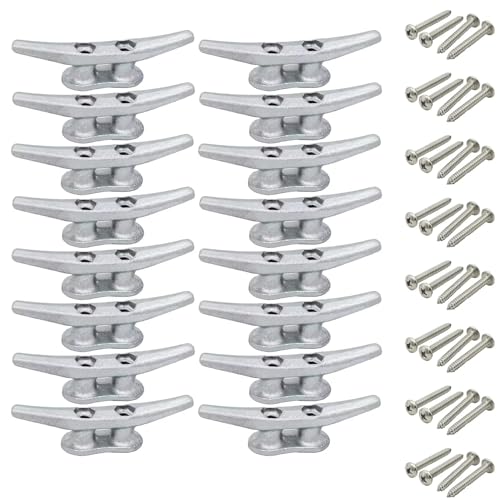
4 inch dock cleats 4/6/8/12/16/20/24 pack, galvanized iron boat cleats
VEITHI
Budget
Dock cleats with bolts, hot-dipped galvanized cast iron
VEITHI
Mid-Range
4 inch dock cleats iron with hardware for boat docks
VEITHI
Mid-Range
4 inch Dock Cleats 4/6/8/12/16/20/24 Pack, Boat Dock Cleats with Hardware
VEITHI
Mid-Range
Dock cleats 316 stainless steel with hardware (8/10/12/15 inch)
VEITHI
Mid-Range
316 stainless steel folding boat cleats 5/6/8.5 inch
VEITHI
Mid-Range
Boat Cleat 5"/6" 316 Stainless Folding Cleat
Laorde
Mid-Range
316 stainless folding boat cleats 5"/6"/8.5" flip up dock cleat
VEITHI
Mid-Range
Dock cleats with bolts, hot dipped galvanized cast iron (6-12 inch) set
VEITHI
Mid-Range
Boat folding cleats, 316 stainless, flip-up with backing plates
Racewill
Budget
Boat folding cleats 316 stainless steel, flip-up dock cleats
Racewill
Mid-Range
8/10/12/15 inch dock cleats set, 316 stainless steel with fasteners
VEITHI
Mid-Range
Boat Cleats 4-8 inch Marine Dock Cleats Stainless Steel
MX
Budget
Dock Cleats 4/5/6 inch 316 Stainless Steel with Fasteners
VEITHI
Mid-Range
Boat Dock Cleat 4-10 in Open Base 316 Stainless Steel
Laorde
Mid-Range
Boat Cleat Open Base 2/4/5/6/8 in Stainless Steel Dock Cleat
KAHACIYO
Budget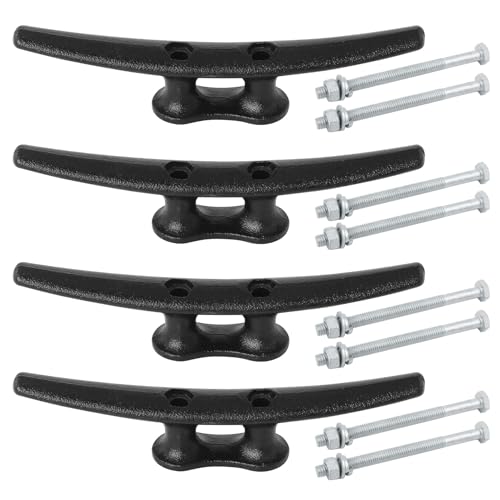
Dock Cleats 6/8/10 in with Hardware, Black Coated
VEITHI
Budget
Dock cleats 6/8/10 in with hardware
VEITHI
Mid-Range
Dock Cleats 6/8/10 in with Hardware, Black Iron Dock Cleats
VEITHI
Mid-Range
Dock Cleats 4/5/6 inch, 316 stainless steel with open base
VEITHI
Mid-Range
8/10/12/15 inch 316 stainless steel boat cleats with fasteners
VEITHI
Mid-RangeRoundups
Frequently Asked Questions
How do I choose the right size and material of cleat for my dock and boat?
Match cleat size and holding capacity to your boat's length and typical docking loads; small boats commonly use 4–6 inch cleats while larger vessels use 8–12 inch or larger. Select materials—stainless steel for high corrosion resistance, aluminum for lighter weight, or marine-grade nylon for budget and non-sparking use—based on exposure to saltwater and desired durability
What mounting method and hardware should I use when installing dock cleats?
Use through-bolting into structural members with marine-grade stainless steel bolts and backing plates for the strongest, most reliable attachment; for floating docks or thin decking, distribute load with a backing plate or cleat base. Seal all bolt penetrations with marine sealant to prevent water intrusion and wood rot
How much should I expect to pay for a boat dock cleat and what are common price tiers?
Prices vary by material and size: budget options and plastic/nylon cleats are commonly under $50, mid-range stainless or aluminum cleats are often in the $50–$150 range, and heavy-duty marine-grade or specialty designs can cost more. Consider long-term corrosion resistance and required load capacity when evaluating cost
What maintenance is required to keep dock cleats safe and corrosion-free?
Regularly inspect for loose fasteners, cracks, corrosion, and wear; tighten bolts and replace corroded hardware promptly. Clean salt deposits with fresh water, apply appropriate anti-corrosion treatments for metal cleats, and replace plastic cleats that show UV embrittlement or cracking
Can I replace an existing cleat with a different material or size without reinforcing the dock?
Only replace with a cleat that has equal or lower load requirements if the underlying dock structure and fasteners remain unchanged; upsizing to a heavier or larger cleat typically requires adding backing plates or reinforcing structural members to safely distribute loads. Always verify that bolt pattern and backing support are compatible
What safety and line-handling features should I look for in a cleat?
Look for smooth horn profiles to reduce chafe and snagging, adequate horn spacing for common knot types, rounded edges to protect lines, and a secure mount that won’t rotate or loosen under load. Some designs offer integrated fairleads or chafe-resistant coatings for improved line management
Are there industry standards or load ratings I should check before buying a dock cleat?
Check manufacturer-specified working load limits or breaking strength when available, and choose cleats sized to handle the expected load from wind, current, and boat weight; for commercial or heavy-duty use, follow local marine building codes and standards that may govern hardware specifications and installation