Boat Engine Fuel Tanks
This category covers portable and built-in boat engine fuel tanks and accessories for small watercraft, including vented, non-vented, and replacement tanks. Average rating is 4.35 across 19 products, with mid-range pricing (about $55–$108) and brands such as Scepter represented
Top Products

Scepter 12 Gallon Portable Marine Gas Can
Scepter
Premium
VEVOR Marine Tank 3.17-Gallon Portable Fuel Tank with 9.8ft Hose
VEVOR
Mid-Range
Scepter Rectangular 12 Gal Marine Fuel Tank, 24.5 x 18 x 11.5, Red
Scepter
Premium
Attwood 3-Gallon Portable Marine Fuel Tank
attwood
Mid-Range
Attwood 3-Gallon Portable Marine Fuel Tank
attwood
Mid-Range
Attwood 6-Gallon Portable Marine Fuel Tank
Attwood
Premium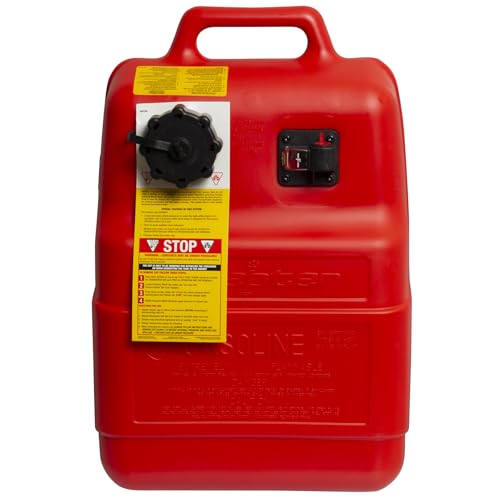
Scepter 6.6 Gal Portable Marine Gas Can with Built-In Gauge
Scepter
Mid-Range
VEVOR Marine Tank 55L with 9.8 ft hose, 2-way vent cap
VEVOR
Premium
GAOMON Marine Fuel Tank, 3-Gallon Outboard Portable Fuel Tank
GAOMON
Mid-Range
PeakPursuit 12-Liter Marine Fuel Tank with I-Shaped Handle
PeakPursuit
Mid-Range
GAOMON 3 Gallon Portable Boat Fuel Tank
GAOMON
Mid-Range
VEVOR Marine Tank 6.34-Gallon Portable Tank with 9.8ft Hose
VEVOR
Mid-Range
PeakPursuit 24L Marine Fuel Tank with I-shaped Handle
PeakPursuit
Mid-Range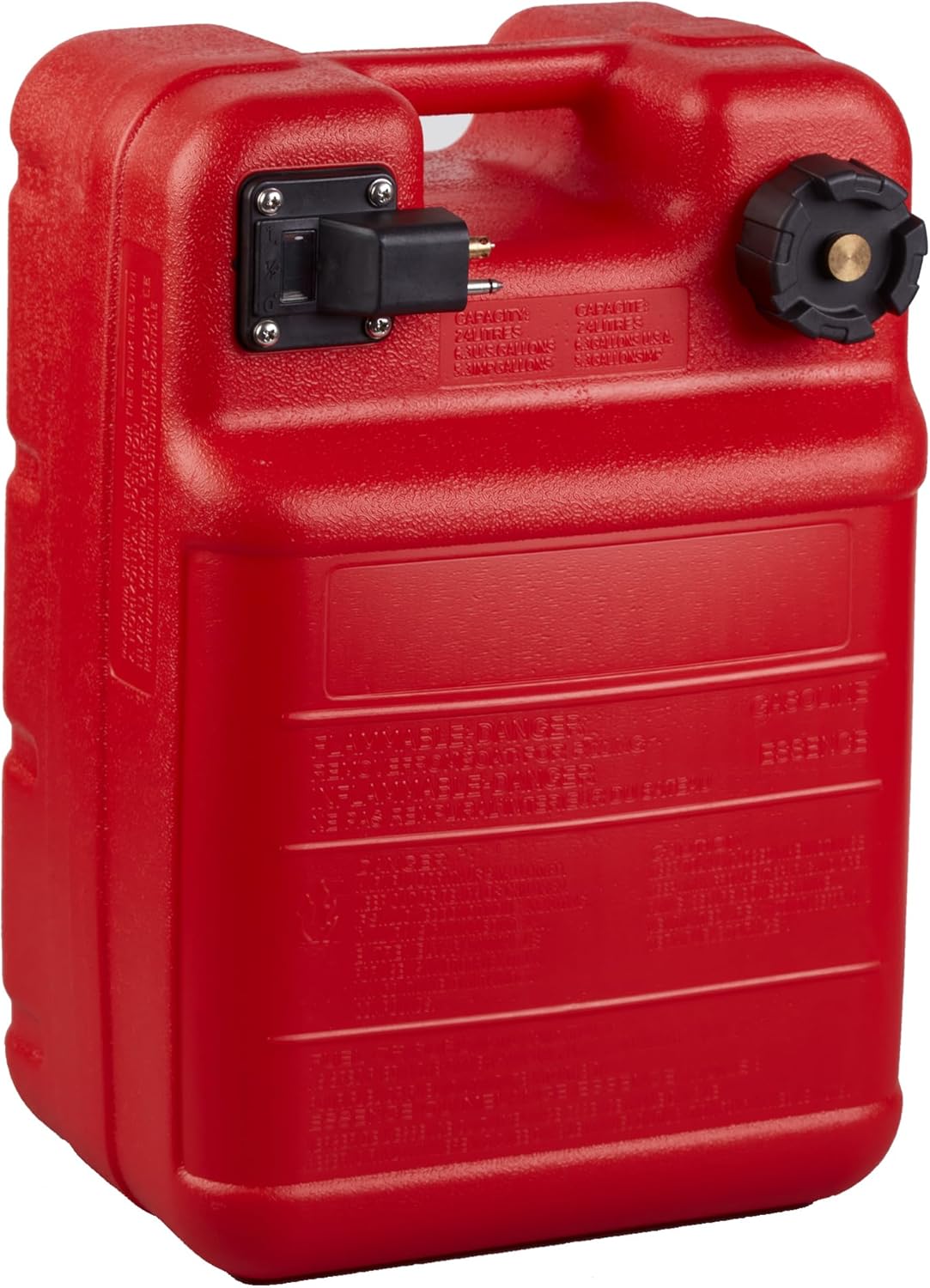
Marine Portable Liquid Container 6 Gal / 24L with 9.8ft Hose
ExploreHorizon
Mid-Range
GAOMON 3 Gallon Portable Marine Tank with Carry Handle
GAOMON
Mid-Range
6-Gallon Marine Fuel Tank with I-Shaped Handle
GAOMON
Premium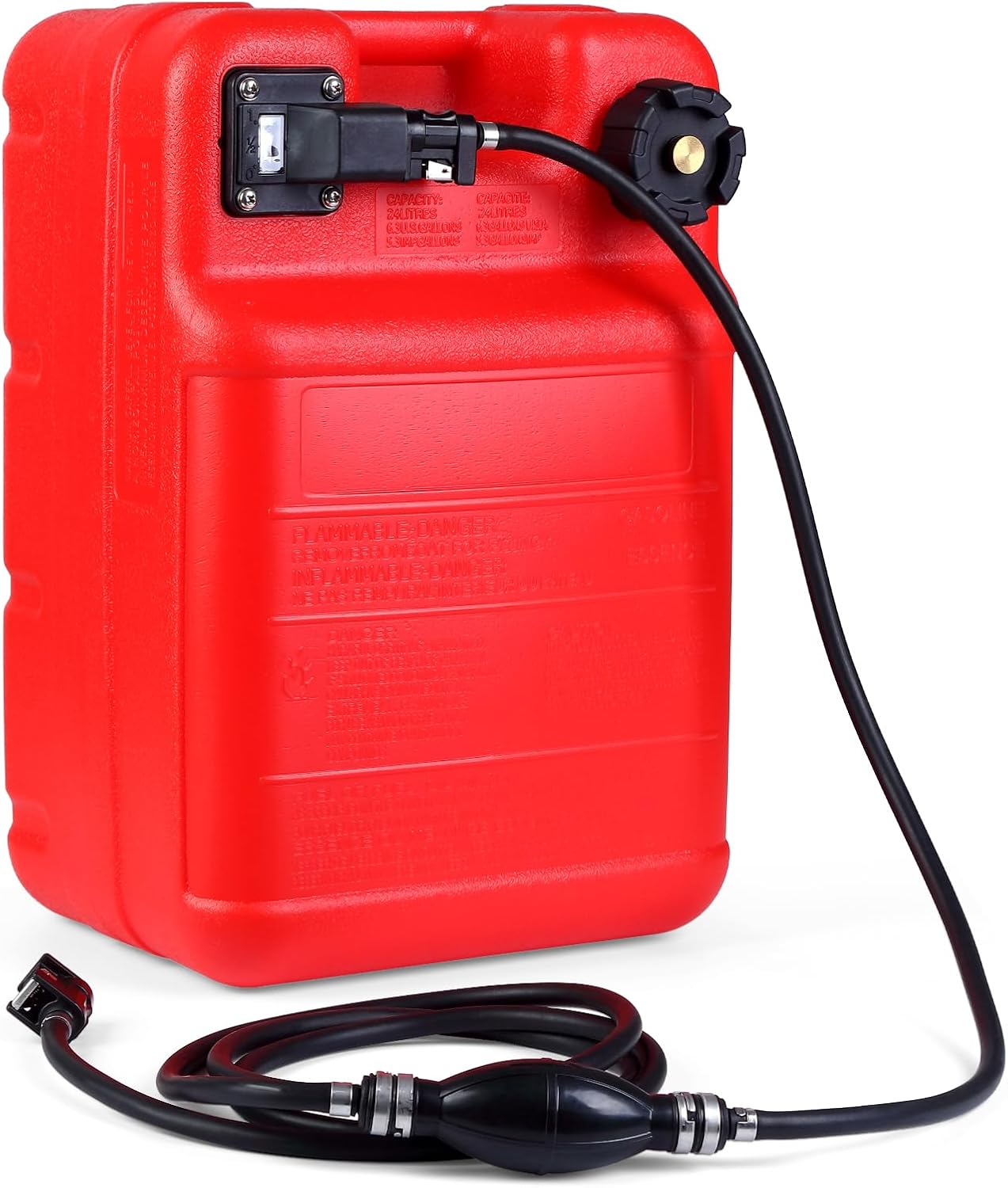
GAOMON 6 Gallon Portable Tank with Handle
GAOMON
Mid-Range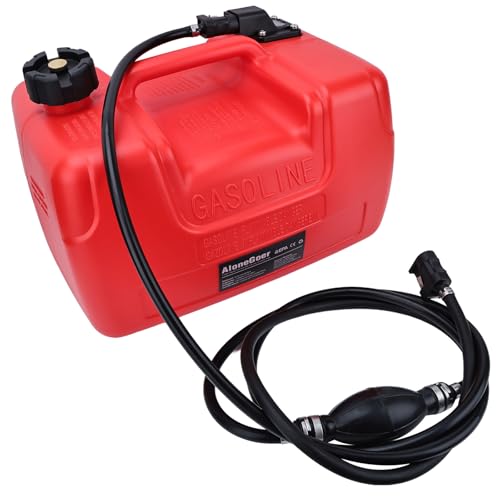
Portable 12L/3G Marine Gas Tank for Outboard Motors
AloneGoer
Premium
PeakPursuit 55L Marine Fuel Tank with I-shaped Handle
PeakPursuit
PremiumRoundups
Frequently Asked Questions
How do I choose the right boat engine fuel tank size?
Select capacity based on engine fuel consumption and trip length: calculate hours you plan to run and multiply by engine gallons-per-hour, then add a safety margin; common portable tank sizes range from a few gallons up to about 25 gallons
What material should I look for in a fuel tank?
Choose materials that match your use and maintenance preferences: polyethylene (plastic) is corrosion‑resistant and lightweight, aluminum is durable and heat-resistant, and stainless or coated steel offers higher strength but requires corrosion protection
Which fittings and features are essential on a portable fuel tank?
Look for a vented cap, fuel gauge or sight tube, secure fill and output fittings compatible with your fuel line, non‑return/check valve for priming, and robust mounting or carry handles for safe transport
Are there safety and regulatory considerations for storing and transporting boat fuel tanks?
Yes: use marine-approved tanks and fittings, secure tanks to prevent movement, keep tanks ventilated away from enclosed cabins, follow local regulations for transport and marine fuel labeling, and store fuel away from heat and ignition sources
How do I maintain and inspect a boat fuel tank?
Regularly inspect for cracks, dents, loose fittings, and corrosion; check and replace hoses and seals as needed; keep the tank clean and dry inside, use fuel stabilizer for long storage, and drain and flush contaminated fuel promptly
What should I budget for when buying a boat engine fuel tank?
Expect a wide price range depending on size and material: budget options exist under $50 for small plastic tanks, with midrange portable tanks commonly between $50 and $200; specialty or large metal tanks cost more
Can I use a portable tank with any outboard engine?
Most portable tanks are compatible with outboards when fitted with the correct fuel line and primer bulb; verify thread sizes and fittings match your engine and that the tank meets the engine manufacturer's recommendations