Boat Painting Supplies
Top Products

Rust-Oleum Marine Topside Paint – Deep Green, Quart
Rust-Oleum
Budget
Rust-Oleum Marine Topsides Paint, Battleship Gray
Rust-Oleum
Budget
STAR BRITE Premium Marine Polish
STAR BRITE
Mid-Range
Rust-Oleum Marine Topside Paint, Oyster White, Quart
Rust-Oleum
Budget
Navy Blue Marine Topside Paint - 1-Quart (2-pack) by Rust-Oleum
Rust-Oleum
Mid-Range
Marine Gelcoat for boat building and repair (White, Quart with Wax)
TotalBoat
Budget
Wet Edge Marine Topside Paint - Largo Blue (Quart) by TotalBoat
TotalBoat
Mid-Range
TotalBoat Marine Gelcoat for Boat Building, Repair (Neutral, Quart No Wax)
TotalBoat
Budget
TotalBoat marine gelcoat for boat building, repair and coatings
TotalBoat
Budget
Wet Edge Topside Marine Paint (Classic Whaler Blue) – 1-Part polyurethane
TotalBoat
Mid-Range
TotalBilge Epoxy Bilge Paint, Gray, Quart (32 oz) by TotalBoat
TotalBoat
Mid-Range
TotalTread Non-Skid Deck Paint, light gray, quart
TotalBoat
Mid-Range
Rust-Oleum Marine Topside Paint, Black, 32 fl oz (4-pack)
Rust-Oleum
Premium
TotalBoat epoxy barrier coat system (white, quart)
TotalBoat
Mid-Range
TotalBoat Marine Topside Boat Primer for Fiberglass & Wood (Gray, Quart)
TotalBoat
Mid-Range
Brampton Marine Epoxy for boat repair
BRAMPTON TECHNOLOGY, LTD.
Budget
Seal-Once Marine Premium Wood Sealer: Waterproof Wood Stain and Sealant
Seal-Once
Mid-Range
TotalBoat Danish Teak Sealer Marine Grade Wood Sealer Oil
TotalBoat
Mid-Range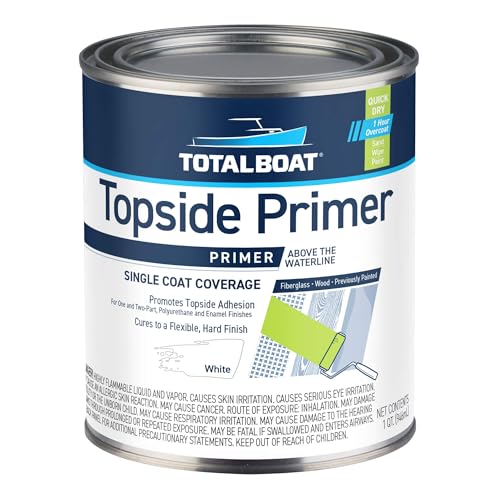
TotalBoat Topside Boat Primer for Fiberglass/Wood, White, 1 qt
TotalBoat
Mid-Range
Iso/Npg Gel Coat White with Wax + 6 Tinting Pigments (1 Quart)
Marine Coat One
Mid-Range
TotalBoat epoxy kit for woodworking and boat repair
TotalBoat
Mid-Range
TotalBoat epoxy kit 1.5 qt clear marine resin & hardener
TotalBoat
Mid-Range
TotalBoat Gelcoat with Wax + Structural Repair Putty Kit
TotalBoat
Mid-Range
Polymer World Polyester Resin 2 Gallon Kit with MEKP
Polymer World
PremiumRoundups
Frequently Asked Questions
How do I choose the right paint type for my boat (fiberglass, wood, aluminum)?
Match the paint chemistry to the substrate and intended use: single-part polyurethane or marine enamel for aluminum and wood above the waterline, two-part polyurethane or polyurea systems for durable topsides, and specialized gelcoat-compatible or marine-grade acrylics for fiberglass; always check compatibility with primers and existing coatings
What tools and supplies should I budget for besides paint?
Plan for surface prep (sandpaper, scrapers, solvents, patching compounds), application tools (brushes, rollers, spray equipment or HVLP), protective gear (gloves, respirator), masking materials, and topcoats or clear coats; these extras often cost as much as the paint itself, with total project budgets typically ranging from basic kits under $50 to professional setups in the hundreds
How do I know how much paint to buy for my boat?
Calculate surface area of the areas to be painted, then use the product’s coverage rate (square feet per gallon) and number of recommended coats to estimate volume, and add 10–20% for waste, overspray, and future touch-ups; many marine paints list coverage on the label or technical data sheet
What surface preparation steps ensure a long-lasting finish?
Remove loose or flaking paint, clean grease and salt deposits with appropriate solvent, sand to the recommended profile, repair defects with suitable fillers, and apply primer to a clean, dry surface following manufacturer dry-times and temperature/humidity guidelines
How should I store leftover marine paint and supplies?
Store paint cans tightly sealed in a cool, dry place away from freezing or direct sunlight; keep containers upright, label with date and boat area, and follow disposal or recycling guidance for solvents and rags to avoid fire hazards
What safety precautions are important when painting a boat?
Work in a well-ventilated area or use suitable respirators, wear chemical-resistant gloves and eye protection, control dust during sanding with dust masks or vacuums, and follow all product safety data sheets regarding flammability, toxic fumes, and personal protective equipment