Bodyboards
Bodyboards for beach and wave riding, including soft-core and performance models in budget through mid-range price tiers. This category indexes 73 products averaging 4.38 stars; top brands include Goplus. Prices typically run from $35 to $90 with an average near (price varies)
Top Products

Goplus Body Board for Beach 41''/37''/33'' with EPS Core
Goplus
Mid-Range
Goplus Kids/Adults Lightweight Body Board with EPS Core
Goplus
Mid-Range
Goplus lightweight body board with EPS core
Goplus
Mid-Range
Goplus Lightweight Body Board with EPS Core
Goplus
Mid-Range
Goplus Lightweight Body Board 41''/37''/33'' with EPS Core
Goplus
Mid-Range
Goplus lightweight body board with EPS core and deck
Goplus
Mid-Range
Goplus lightweight body board with EPS core
Goplus
Mid-Range
Goplus Lightweight Body Board with EPS Core
Goplus
Mid-Range
Back Bay Play 26"-41" Body Board with Lightweight EPS Core
Back Bay Play
Mid-Range
Goplus Bodyboard 41''/37''/33'': Lightweight EPS/XPE/HDPE board
Goplus
Mid-Range
Goplus light body board with EPS core & XPE deck (41/37/33)
Goplus
Mid-Range
Wavestorm Foam Bodyboard 40in
WaveStorm
Mid-Range
Wavestorm 40in Bodyboard
WaveStorm
Mid-Range
Back Bay Play 26"-41" Body Board
Back Bay Play
Budget
Bo-Toys Body Board with EPS Core
Bo-Toys
Mid-Range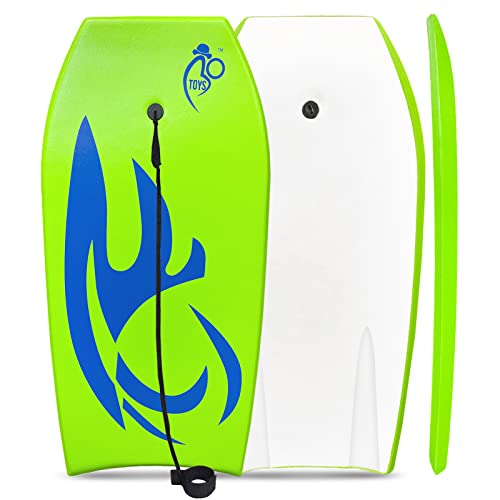
Body Board with EPS Core by Bo-Toys
Bo-Toys
Mid-Range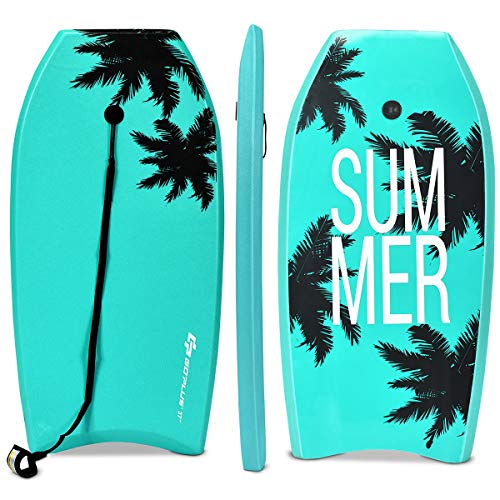
Goplus 41''/37''/33'' Boogie Board with EPS Core
Goplus
Mid-Range
GYMAX Boogie Boards: 33/37/41 in Bodyboard with EPS Core
GYMAX
Mid-Range
Body Board Lightweight with EPS Core
Bo-Toys
Mid-Range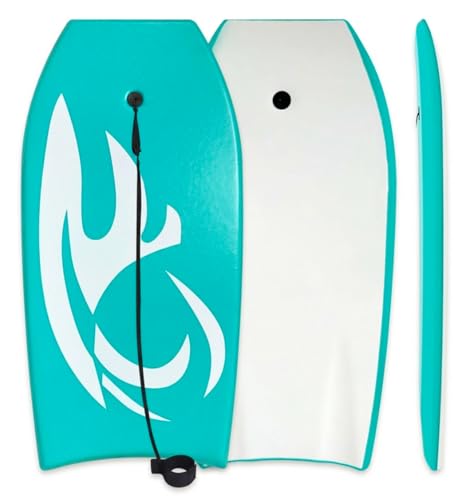
Body Board Lightweight with EPS Core by Bo-Toys
Bo-Toys
Mid-Range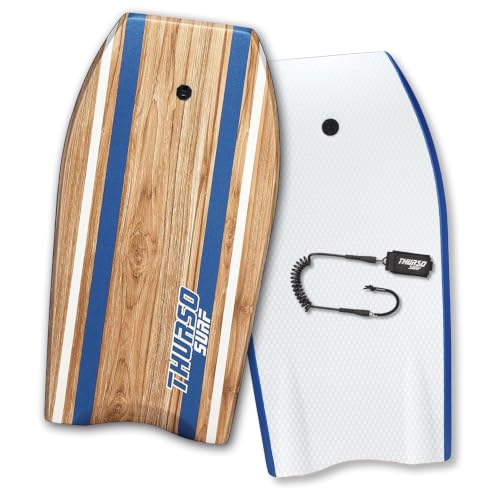
Thurso Surf Quill 42'' Bodyboard
THURSO SURF
Mid-Range
Body Board Lightweight with EPS Core
Bo-Toys
Mid-Range
Body Board Lightweight with EPS Core
Bo-Toys
Mid-Range
Body Board Lightweight with EPS Core
Bo-Toys
Mid-RangeRoundups
- Best Bodyboards for Water Park Activities (2026)
- Best Bodyboards for Back And Core Exercise (2026)
- Best Bodyboards for Water Park Fun (2026)
- Best Bodyboards for Family Beach Day (2026)
- Best Bodyboards for Beach Surfing (2026)
- Best Bodyboards Under $200 (2026)
- Best Bodyboards Under $100 (2026)
- Best Bodyboards Under $50 (2026)
- Best Bodyboards (2026 Guide)
Frequently Asked Questions
How do I choose the right bodyboard size for my height and weight?
Choose a board based on your height and weight: shorter riders typically use 36–38 inch boards, taller riders 41–44 inches, and weight charts on product pages help refine choice; heavier riders should select slightly longer or wider boards for better buoyancy and control
What are the main materials and construction features to look for?
Common constructions pair a polyethylene (PE) or polypropylene (PP) core with a slick bottom (surlyn or HDPE) and an EPS or laminated deck; PP cores are stiffer and handle warmer water and stronger waves, while PE/EPS cores are softer and better for cold water and beginner-friendly flexibility
How much should I expect to spend for a beginner versus advanced bodyboard?
Budget beginner boards are often available under $50, mid-range boards commonly fall between $50 and $100, and higher-performance or specialty boards can be more expensive; prices vary by brand, materials, and included accessories
Do I need accessories like a leash, fins, or wax with a bodyboard?
A wrist or bicep leash is recommended to keep the board attached; slip-resistant traction pads or deck wax improve grip, and swim fins are commonly used to generate speed and control during wave entry and maneuvers
How should I care for and store my bodyboard to maximize lifespan?
Rinse with fresh water after use, avoid prolonged sun exposure and high heat to prevent core damage, store flat or hanging in a shaded area, and check for dings or delamination to repair promptly
What features indicate a board suited for waves and riding style (prone vs drop-knee)?
Look for board length and tail shape: wider, rounded tails provide stability for prone riding and beginners, while narrower tails and slick bottoms with channels enhance speed and control for drop-knee or more aggressive surfing; rocker (curvature) affects how the board handles steep waves
Are there safety considerations specific to bodyboarding?
Wear a leash to prevent losing the board, use fins for better swimming capability, choose appropriate surf conditions for your skill level, and be aware of rip currents, submerged hazards, and local surf rules or warnings