Camping Bowls
Camping bowls for outdoor dining and camp cookware, including insulated, collapsible, and hard-shell designs suitable for hiking, car camping, and picnics. Category spans budget through mid-range options (avg $52) with brands like YETI represented among 11 indexed products and a 4.53 average rating
Top Products
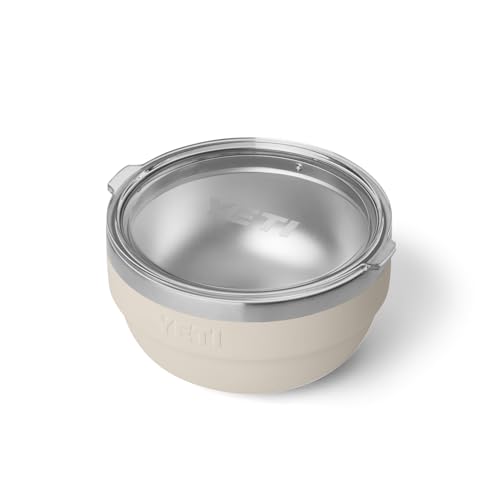
Rambler Bowl, vacuum insulated, stackable steel bowl with lid
YETI
Budget
YETI Rambler Bowl, vacuum insulated, stackable 1 qt navy
YETI
Budget
Hydro Flask Outdoor Kitchen Bowl, Stainless Steel Dinnerware
Hydro Flask
Mid-Range
Hydro Flask 3 Qt Serving Bowl with Cap Surf
Hydro Flask
Mid-Range
YETI Rambler Bowl, Vacuum Insulated, 2 Quart, Navy
YETI
Mid-Range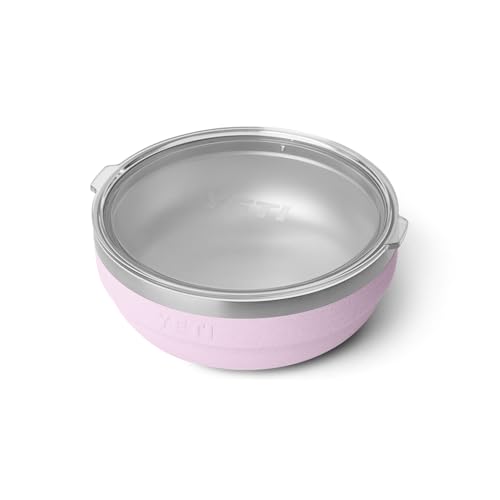
YETI Rambler Low Bowls with Lid, 1.6 qt, Cherry Blossom
YETI
Mid-Range
YETI Rambler Bowl - Vacuum Insulated, 4.5 Qt, White
YETI
Mid-Range
YETI Rambler Bowl, Vacuum Insulated, 2 Quart
YETI
Mid-Range
YETI Rambler Low Bowls with Lid, 3.6 Qt, Cherry Blossom
YETI
Mid-Range
Detour Stainless Steel Collapsible Bowl, Medium (22 fl oz)
Sea to Summit
Budget
Stojo Collapsible Bowl 5 Set – 36oz
STOJO
PremiumRoundups
Frequently Asked Questions
How do I choose the right camping bowl for my trips?
Consider weight and packability for backpacking, durability and insulation for car camping, material (stainless steel, hard plastic, silicone) for heat resistance and taste neutrality, and capacity—common sizes range from 12–32 ounces depending on single or multi-person use
Which materials are best for camping bowls and what are their trade-offs?
Stainless steel is durable and doesn’t retain flavors but can be heavier and conduct heat; hard plastic is lightweight and inexpensive but may scratch or stain; silicone collapsible bowls save space and resist heat but can be less sturdy for heavy use
Are insulated camping bowls worth it and when should I choose them?
Insulated bowls help keep food hot or cold longer and are useful for longer day trips or cold-weather camping, but they are usually heavier and more expensive than single-wall options, so choose based on thermal needs and weight tolerance
How do I clean and maintain camping bowls in the field?
Use biodegradable soap and minimal water for washing, rinse thoroughly, scrub with a small sponge or collapsible brush for stuck-on food, and dry completely before packing to prevent odors and mold; many stainless steel and silicone bowls are dishwasher-safe at home
What features should I look for to improve packing and storage?
Look for nesting or collapsible designs, stackable sizes, secure lids to prevent spills, and bowls that double as measuring cups or plates to reduce the number of items carried
How much should I expect to spend on a quality camping bowl?
Prices vary by material and features: basic plastic bowls can be under $15, mid-range stainless steel or silicone options commonly range from $20–$60, and insulated or specialty designs can cost more
Are there any safety or environmental concerns to consider?
Avoid bowls with BPA-containing plastics if concerned about chemicals; choose food-grade materials, check for heat resistance if using over heat sources, and prefer durable or recyclable materials to reduce single-use waste