Camping Freeze-Dried Food
Freeze-dried camping food includes entrees, breakfasts, snacks, and meal kits designed for backpacking and emergency use, with options from budget to mid-range price points. This category of 87 products averages a 4.55 rating and features brands such as Mountain House
Top Products

Mountain House Adventure Weekender Kit
Mountain House
Mid-Range
Mountain House Spaghetti with Beef Marinara #10 Can
Mountain House
Mid-Range
Chili Mac with Beef - Mountain House, camping freeze-dried
Mountain House
Mid-Range
Mountain House Fettuccine Alfredo with Chicken Freeze-Dried Food for Camping
Mountain House
Mid-Range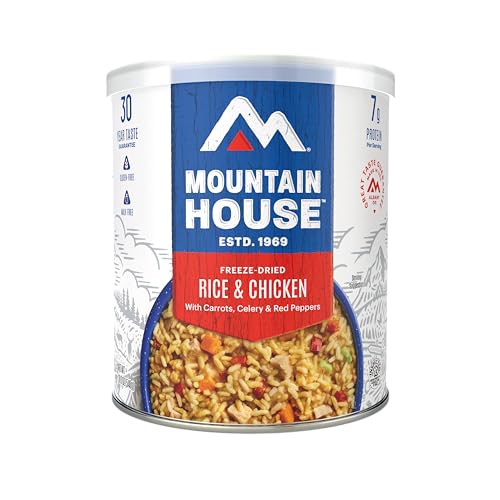
Rice & Chicken Freeze-Dried Meal (Mountain House) #10 Can
Mountain House
Mid-Range
Mountain House Gluten-Free Mexican-Style Adobo Rice & Chicken
Mountain House
Mid-Range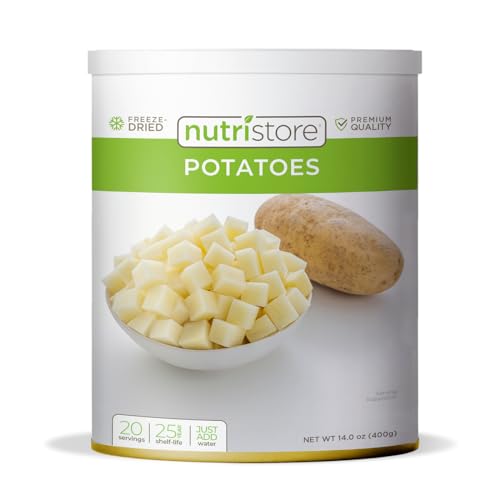
Nutristore Freeze-Dried Vegetables (1-Pack) – Potatoes, Broccoli, Corn, Peas & More
Nutristore
Budget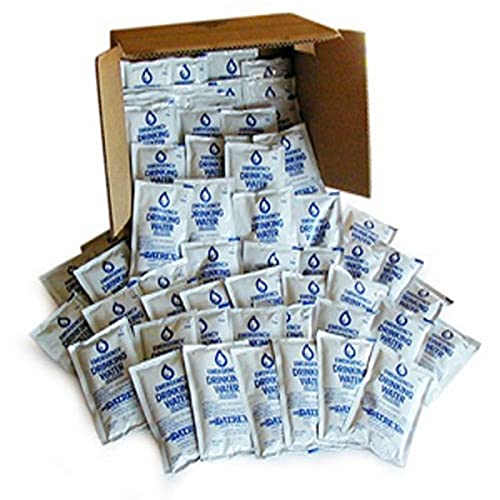
Datrex Emergency Water Pouches, 125 ml each
Datrex
Budget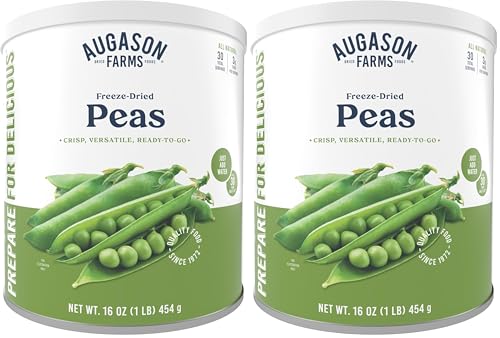
Augason Farms Freeze-Dried Peas #10 Can, 16 oz (Pack of 2)
Augason Farms
Mid-Range
Mountain House Beef Stroganoff with Noodles #10 Can
Mountain House
Mid-Range
Mountain House Beef Lasagna for Camping
Mountain House
Mid-Range
Mountain House 3-Day Emergency Food Supply
Mountain House
Mid-Range
Freeze-dried whole raspberries can (emergency food storage)
Augason Farms
Mid-Range
Thousand Lakes Sweet Corn Freeze-Dried 16 oz
Thousand Lakes
Budget
Homestyle Chicken Noodle Casserole Freeze-Dried Meal
Mountain House
Mid-Range
Mountain House Pork Sausage & Freeze-Dried Camping Food
Mountain House
Premium
Mountain House Creamy Mac and Cheese Freeze-Dried (6-pack)
Mountain House
Mid-Range
Mountain House Pad Thai with Chicken Freeze-Dried Backpacking Food
Mountain House
Mid-Range
Nutrient Survival Egg Powder with 33 nutrients
Nutrient Survival
Mid-Range
Mountain House Beef Stroganoff with Noodles (6-pack)
Mountain House
Mid-Range
ReadyWise Emergency Food: BBQ Beans 120 servings bucket
ReadyWise
Premium
Mountain House Chicken & Dumplings Freeze-Dried Backpacking Food (6-Pack)
Mountain House
Mid-Range
Mountain House Chili Mac with Beef (6-pack)
Mountain House
Mid-Range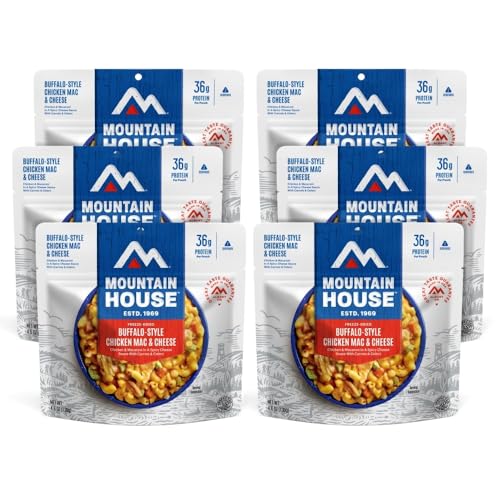
Mountain House Buffalo-Style Chicken Mac & Cheese
Mountain House
Mid-RangeRoundups
- Best Camping Freeze-Dried Food for Backpacking (2026)
- Best Camping Freeze-Dried Food for Emergency Preparedness (2026)
- Best Camping Freeze-Dried Food for Emergency Preparedness Kits (2026)
- Best Camping Freeze-Dried Food for Camping Trips (2026)
- Best Camping Freeze-Dried Food Under $200 (2026)
- Best Camping Freeze-Dried Food Under $100 (2026)
- Best Camping Freeze-Dried Food Under $50 (2026)
- Best Camping Freeze-Dried Food (2026 Guide)
Frequently Asked Questions
How do I choose the right freeze-dried meals for camping?
Pick meals based on calorie needs, meal weight, and dietary preferences; check serving size and calories per pouch to meet your daily energy needs, favor higher-calorie options for multi-day trips, and choose flavors/protein types that match your dietary restrictions
What should I consider about shelf life and storage?
Freeze-dried meals typically have shelf lives measured in years when kept sealed and stored cool and dry; keep pouches away from heat, direct sunlight, and moisture, and note the manufacturer’s best-by date on each package
How do freeze-dried meals compare to dehydrated meals for camping?
Freeze-dried meals retain more original texture and nutrients and rehydrate faster with less water than many dehydrated meals, though they can be lighter and more expensive per serving than some dehydrated options
How much do freeze-dried camping meals cost and what are budget options?
Prices vary by brand, meal complexity, and serving size; expect an average around $75–$80 for multi-meal packs, with budget single-meal pouches commonly available under $50 and premium or specialty packs priced higher
How do I rehydrate freeze-dried meals on the trail?
Boil or heat the recommended amount of water, add it to the meal pouch or container, stir, seal, and let sit for the manufacturer-recommended time (usually a few minutes) until fully rehydrated; adjust water for preferred consistency
Are freeze-dried meals nutritionally adequate for multi-day trips?
Many freeze-dried meals provide balanced macronutrients and significant calories, but you should plan totals to meet your daily calorie and electrolyte needs, supplementing with snacks or add-ins if necessary for high-activity trips
What packaging and weight considerations matter for backpacking?
Look for lightweight, resealable pouches and note net weight and rehydrated weight; for ultralight backpacking favor single-serving pouches and minimal secondary packaging to reduce pack bulk and carry weight