Climbing Ascenders
Climbing ascenders are hand-held mechanical devices used in rope ascent and hauling for climbing, caving, and rescue. This category (17 products, avg rating 4.59) covers mid-range to budget models from brands like WILDKEN and Wild Country, with prices roughly $33–$105
Top Products
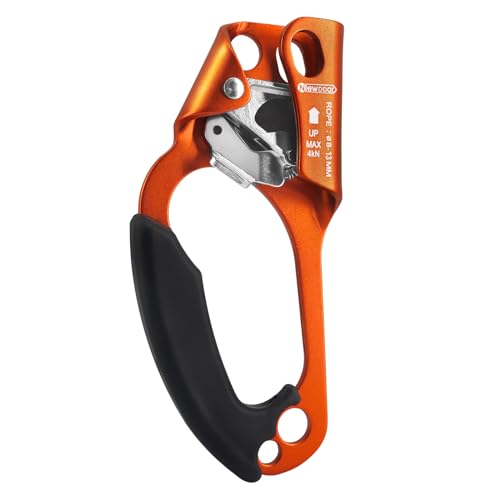
UIAA & CE Certified Hand Ascender for 8–13mm Rope
NewDoar
Budget
Ropeman 1 Ascender by Wild Country
Wild Country
Mid-Range
NewDoar UIAA & CE Hand Ascender for 8-13mm Rope
NewDoar
Mid-Range
SRT Climbing Hand Ascender with ergonomic orange handle
SZCQ
Budget
WILDKEN Climbing Hand Ascender for 8-14MM Rope
WILDKEN
Budget
WILDKEN Climbing Hand Ascender for 8-14mm Rope
WILDKEN
Budget
WILDKEN Climbing Hand Ascender for 8-14mm Rope
WILDKEN
Budget
Detachable climbing ascender for 11-13 mm rope
S.E.PEAK
Budget
WILDKEN Climbing Hand Ascender for 8-14mm Rope
WILDKEN
Budget
WILDKEN Climbing Hand Ascender for 8-14mm Rope
WILDKEN
Budget
WILDKEN Climbing Hand Ascender: 8-14mm rope
WILDKEN
Budget
NewDoar Rope Ascender: lightweight rope clamp for rope 8-13mm
NewDoar
Mid-Range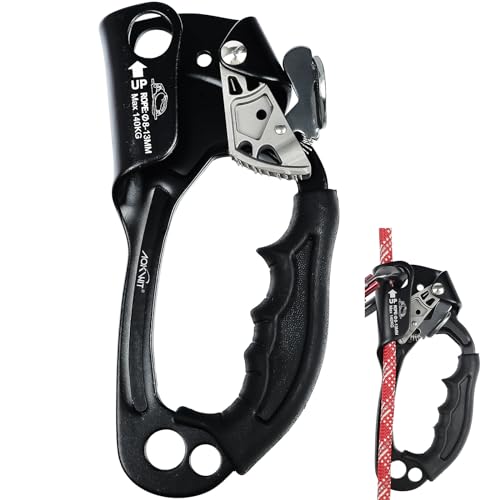
Rope ascender with aluminum alloy design for climbing
AOKWIT
Budget
NewDoar Rope Ascender: lightweight rope clamp for climbing
NewDoar
Mid-Range
Duck Alu Alloy emergency rope clamp for single ropes 8-13mm
Kong Italy
Mid-Range
Ascension Ascender with ergonomic handle – right-handed
PETZL
Premium
Ropeman 2 Ascender by Wild Country
Wild Country
PremiumRoundups
- Best Climbing Ascenders for Rock Climbing (2026)
- Best Climbing Ascenders for Mountaineering (2026)
- Best Climbing Ascenders for Tree Arborist Work (2026)
- Best Climbing Ascenders Under $200 (2026)
- Best Climbing Ascenders Under $100 (2026)
- Best Climbing Ascenders Under $50 (2026)
- Best Climbing Ascenders (2026 Guide)
Frequently Asked Questions
What are ascenders used for in climbing and which type should I choose?
Ascenders are mechanical devices that slide up a fixed rope but lock under load; they are used for ascending fixed lines, hauling, and rope access. Choose a handled ascender for single-person climbing and easier grip, or a compact, non-handled device for lightweight setups and backup belays
How do I pick the right ascender for my rope diameter and climbing style?
Match the ascender's rated rope range to your rope diameter (specs list acceptable mm range) and pick a model rated for your climbing style—mounted handled ascenders for laddering and rescue, smaller devices for alpine or aid climbing where weight and low bulk matter
What safety ratings and features should I look for?
Look for compliance with relevant standards (e.g., CE EN for mountaineering/industrial use) and features like a positive cam action, secondary locking gate or safety catch, high-strength attachment points for carabiners, and a specified maximum load or strength rating
Are there maintenance steps I need to follow to keep ascenders safe?
Inspect cams, springs, and attachment points for wear or deformation before each use, clean dirt and grit from moving parts with mild water and a brush, lubricate pivot points with a manufacturer-recommended lubricant if specified, and retire the device if there is significant wear, corrosion, or damaged components
How much do climbing ascenders typically cost and what affects price?
Ascenders generally range from budget models under $50 to higher-end designs that cost more depending on materials, brand, build quality, integrated handles, and certified ratings; specialized industrial or rescue-rated units usually cost more than basic recreational models
Can I use an ascender for lead climbing or as a primary belay device?
No — ascenders are intended for moving up fixed ropes and as progress-capture devices; they are not designed for catching lead falls and should not be used as the sole primary belay device in lead climbing
How do I properly attach an ascender in a typical two-ascender jugging system?
Attach each ascender to the rope within its rated rope range, clip both devices to separate harness attachment points or a chest/waist system using locking carabiners, and alternate weighting and ascending while keeping one ascender locked under load for safety