Climbing Holds
Climbing Holds features indoor and outdoor climbing grips, volumes, and training sets for home walls and gyms, with mid-range pricing averaging about (price varies). Brands include TWO STONES among others, and products score an average rating of 4.66 across 11 indexed items
Top Products

Hang Holds
YY Vertical
Budget
YY Vertical Hang Holds
YY Vertical
Mid-Range
Hang Holds by YY Vertical
YY Vertical
Mid-Range
Hang Holds by YY Vertical
YY Vertical
Mid-Range
Two Stones Portable Hangboard for Climbing
TWO STONES
Mid-Range
TWO STONES Rock Climbing Fingerboard Hangboard
TWO STONES
Mid-Range
TWO STONES Climbing Hangboard with Jugs, Slopes & Pockets
TWO STONES
Mid-Range
Two Stones Rock Climbing Fingerboard Door Mounted Training Station
TWO STONES
Premium
Everett & Avery Co. Premium Rock Climbing Holds (Kids Indoor/Outdoor)
Everett & Avery Co.
Mid-Range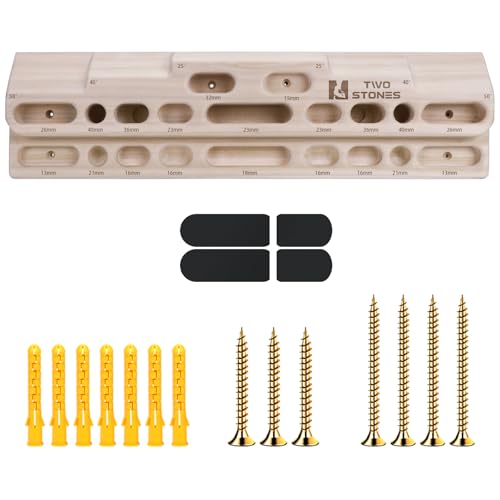
TWO STONES Climbing Hangboard with Pockets, Slopes & Edges
TWO STONES
Mid-Range
Everett & Avery Co. Premium Rock Climbing Holds - Indoor Kids Wall
Everett & Avery Co.
Mid-RangeRoundups
Frequently Asked Questions
How do I choose the right climbing holds for my wall?
Choose holds based on route difficulty, grip type, and wall material: use larger jugs and positive edges for beginner routes, smaller crimps and slopers for advanced training, and ensure the hold's bolt pattern and backing match your plywood or panel thickness and T-nut layout
What types of holds should I buy for different skill levels?
Beginners benefit from large, positive holds like jugs and incuts; intermediate climbers add edges and pockets for technique; advanced climbers use crimps, slopers, pinches, and small volumes to train finger strength and balance
How much should I expect to spend on a set of climbing holds?
Single holds range from low-cost individual pieces to premium options, while starter sets commonly fall into budget ranges under $50 to mid-range sets around $50–$150; professional or specialty sets can cost more depending on count, material, and brand
What materials are climbing holds made from and how do they differ?
Most holds are made from polyurethane or polyester resin; polyurethane is lighter, more durable, and has better grip texture, while polyester can be heavier and more brittle but is often less expensive
How do I install and secure climbing holds safely?
Use the correct length bolts for your panel thickness, tighten holds so they sit flush without over-torquing, use washers where specified, and regularly inspect bolts and T-nuts for looseness or damage; follow manufacturer torque recommendations when provided
How do I care for and maintain climbing holds to extend their life?
Clean holds periodically with a soft brush and mild soap to remove chalk and skin oils, avoid harsh chemicals, check for cracks or stripped threads, and rotate or replace worn holds to maintain consistent friction and safety
Are replacement hardware and compatibility issues something I should worry about?
Most commercial holds use standard 3/8" or M10 bolts and fit common T-nut spacing, but confirm bolt size and insert type for compatibility with your existing hardware and wall; purchase replacement bolts and washers rated for climbing use when needed