Compasses
This Sports & Outdoors Compasses category features handheld and wrist compasses for hiking, orienteering, navigation, and survival, with mid-range to premium options. Catalog spans 32 products, average rating 4.58 and average price about (price varies); top listed brands include SUUNTO
Top Products

SUUNTO MC-2 Compass for precise navigation
Suunto
Mid-Range
SUUNTO MC-2 Compass for precise navigation
SUUNTO
Mid-Range
SUUNTO MC-2 Compass for precise navigation
SUUNTO
Mid-Range
SUUNTO MC-2 Compass for professionals and serious hikers
SUUNTO
Mid-Range
Staedtler Comfort Metal Quick Setting Compass 2-Piece Set
STAEDTLER
Mid-Range
God's Path Compass – Communion & Confirmation Gift
OakiWay
Mid-Range
Jeremiah 29:11 Brass Compass in Wooden Box
TA dizayn
Budget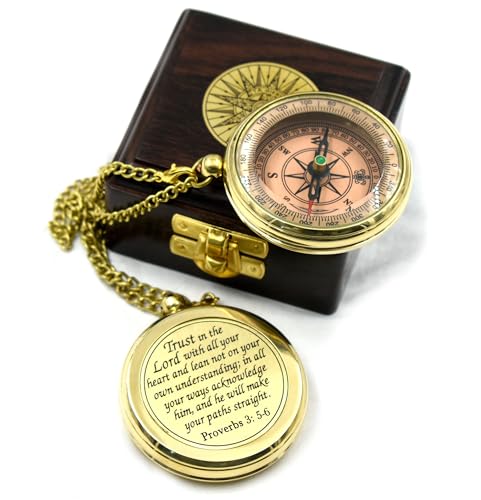
Trust in The Lord Compass with Wooden Box
TA dizayn
Budget
God is My Guide Brass Compass with Display Box
God is My Guide
Budget
God is My Guide Brass Compass with Display Box
God is My Guide
Budget
God's Path Compass Gift for Teens | Baptism & Confirmation
OakiWay
Mid-Range
God's Path Compass: Communion & Confirmation Gift
OakiWay
Mid-Range
Dream Chaser Compass in Wooden Box
OakiWay
Mid-Range
Jeremiah 29:11 compass with engraved brass case
ROORKEE INSTRUMENTS (INDIA) A NAUTICAL REPRODUCTION HOUSE
Mid-Range
SUUNTO MC-2 Compass for precise navigation
SUUNTO
Premium
SUUNTO MC-2 Compass for precise navigation
SUUNTO
Premium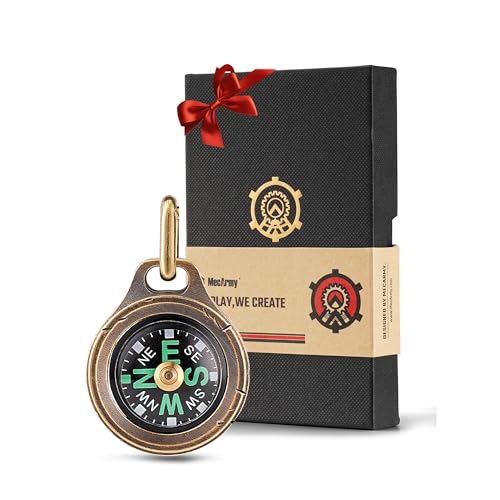
MecArmy CMP/CMP2 Mini Compass – Titanium/Brass Pocket Compass
MecArmy
Budget
MAH Brass Compass Backpacking Gift
MAH
Budget
MecArmy CMP/CMP2 Mini Compass with Brass/Brass-Tone Pendant
MecArmy
Budget
Sundial Compass with Engraved Message, Brass 3in
DAYOL'X
Mid-Range
Backpacking navigation compass with engraving-ready lid
MAH
Budget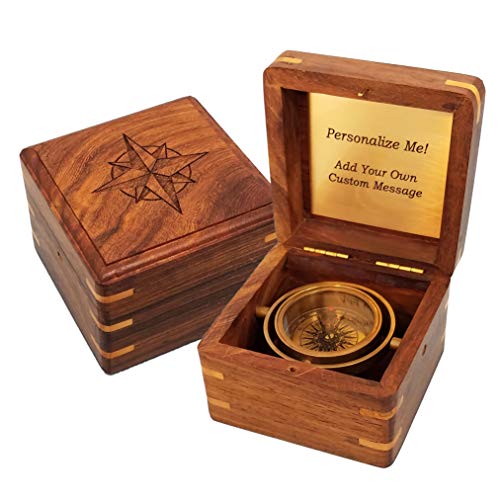
Engraved Brass Desk Compass Keepsake in Wooden Box
Stanley London
Mid-Range
Baptism Compass with Scripture Engraving
SFdizayn
Mid-Range
Orienteering Compass for outdoor use
HKDiRedy
Mid-RangeRoundups
Frequently Asked Questions
How do I choose the right type of compass for hiking or orienteering?
Choose a baseplate (orienteering) compass with a transparent rectangular base, ruler markings, and a rotating bezel for map work; choose a liquid-filled or lensatic compass for straightforward direction finding. Consider scale, declination adjustment, and sighting features based on whether you need precise map navigation or simple bearings
What features matter most for outdoor sports compasses?
Key features include a stable, liquid-filled capsule for steady needle movement, adjustable declination, a sighting mirror or prism for precise bearings, luminous markings for low light, and a durable water- and shock-resistant housing. Weight and mounting options (wrist, handheld, or baseplate) matter for comfort during activity
How much should I expect to spend and what do price ranges mean?
Budget compasses suitable for casual use and basic navigation typically cost under $50; mid-range models with better materials, declination adjustment, and sighting tools commonly fall between $50 and $150; specialized precision or professional compasses can be higher. Price often reflects build quality, accuracy features, and added accessories
How do I care for and store a compass to keep it accurate?
Avoid exposing the compass to strong magnetic fields, extreme temperatures, or prolonged direct sunlight; store it flat in a protective case, clean with a soft cloth, and check for air bubbles or sticky needle behavior that indicate damage. If the compass has adjustable declination or moving parts, check and tighten those periodically according to the manufacturer's instructions
Can a compass work properly near electronics or metal gear?
Metal objects and electronic devices produce local magnetic fields that can deflect the needle and cause inaccurate readings; keep the compass several feet away from radios, phones, metal carabiners, and stoves when taking a bearing. When using a compass on a packed backpack with metal frames, remove the compass or separate it from metal to verify readings
What is magnetic declination and do I need a compass that adjusts for it?
Magnetic declination is the angle between magnetic north and true north at your location; adjustable declination lets you set that offset so bearings align directly with map north. If you plan to navigate with topographic maps, a compass with declination adjustment simplifies calculations and reduces errors
How do I test a compass for accuracy before relying on it in the field?
Compare the compass bearing to a known reference such as a GPS-derived azimuth or a map bearing from a landmark; spin the compass slowly to check for a stiff or sticky needle and verify consistent readings in multiple orientations. Repeat tests away from metal and electronics to isolate any local interference