Dance Flooring
Dance Flooring in Sports & Outdoors covers portable dance floors, interlocking tiles, Marley-style vinyl, and practice mats for studios, homes, and events. Average rating 4.29 across 31 products, with brands like PRIOR FITNESS represented; prices span budget through mid-range (about $33–$248)
Top Products

PRIOR FITNESS Pole Extension for 45mm Dance Pole
PRIOR FITNESS
Mid-Range
Soozier Pole Dance Mat - 2"T x 5'W Foldable Crash Pad
Soozier
Premium
Pole Extension for 45mm Dance Pole (125/250/500mm) Chrome
PRIORMAN
Budget
Soozier Foldable Pole Dance Mat, 2"T x 5'W
Soozier
Premium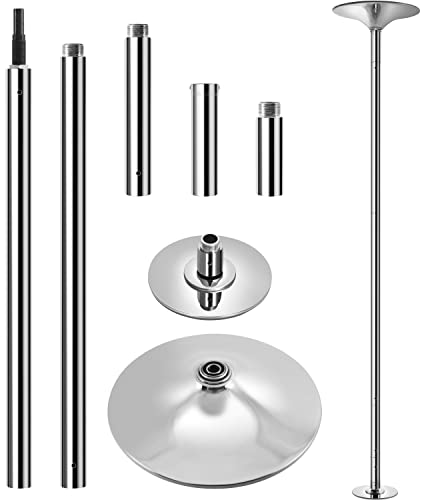
Yaheetech Dance Pole Spinning Static 45mm Kit
Yaheetech
Premium
Big Floors 4x4 Oak Floor Interlocking Dance Floor Kit
Big Floors
Premium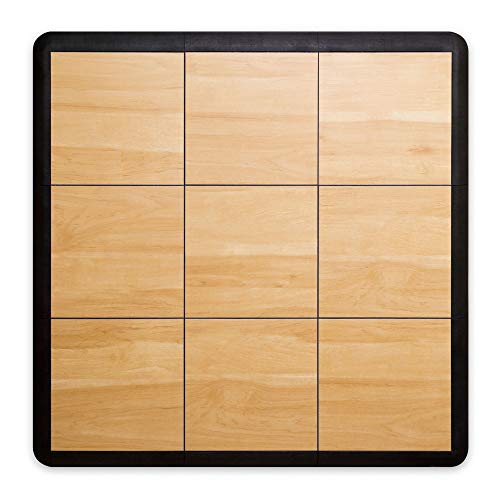
Big Floors 3x3 Maple Interlocking Dance Floor Kit
Big Floors
Mid-Range
Tap Dance Floor – Portable Cushioned Tap Board (46.4 x 29.5 in)
LEARNIBEE
Premium
Big Floors 3x3 interlocking dance floor kit – dark oak
Big Floors
Premium
VEVOR Dancing Pole Kit: 45mm Stainless Steel, 2-in-1 Static/Spinning
VEVOR
Premium
Tap Board for Tap Dancing Portable Tap Dance Board
Besutosera
Premium
PRIOR FITNESS Pole Extension for 45mm Dance Pole
PRIOR FITNESS
Mid-Range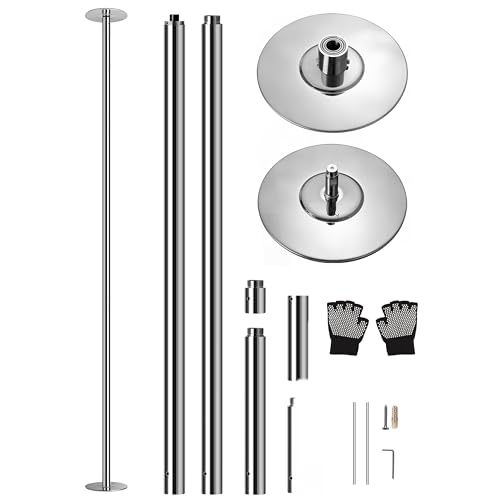
SereneLife 45mm Spinning Dance Pole
SereneLife
Premium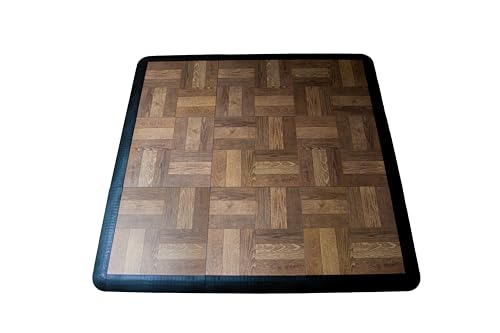
Big Floors 3x3 Hickory Interlocking Dance Floor Kit
Big Floors
Mid-Range
Tap Board for Tap Dancing - Portable Dance Floor Platform
Besutosera
Premium
UMEKEN Spinning Dance Pole - Adjustable 45mm, 440lb
UMEKEN
Premium
UMEKEN adjustable dancing pole for home use, 7.3–9 ft
UMEKEN
Premium
UMEKEN Spinning Dance Pole Adjustable 7.3–9 ft
UMEKEN
Premium
VIVOHOME 45mm Spinning Dancing Pole for Home Fitness
VIVOHOME
Premium
VEVOR 6.6x3.9 ft PVC Dance Floor Roll
VEVOR
Premium
PRIOR FITNESS Fixed Dance Pole Kit 45mm
PRIOR FITNESS
Premium
UMEKEN Spinning Dance Pole 45mm Portable with Extensions
UMEKEN
Premium
VEVOR 6.6x11.8 ft PVC dance floor (reversible, non-slip)
VEVOR
Premium
UMEKEN Spinning Dance Pole with Extensions 45mm 440lb
UMEKEN
PremiumRoundups
Frequently Asked Questions
What types of dance flooring are available and how do I choose the right one?
Common types include sprung floors (shock-absorbing panels), portable vinyl dance mat/ Marley roll-out surfaces, interlocking foam or vinyl tiles, and hard-surface wood or laminate. Choose based on dance style (ballet/pointe prefers sprung or Marley; hip-hop or general practice can use sprung or interlocking tiles), installation permanence, and subfloor—sprung for joint protection, vinyl/Marley for smooth surface and slide control
What size and thickness should I get for a home or studio dance floor?
For home practice, aim to cover the main performance area; common portable panels are 4x4 or 6x4 feet sections and interlocking tiles often come as 1x1 foot modules. Thickness varies by type: sprung panel systems typically 1–2 inches for shock absorption, vinyl/Marley layers are 2–5 mm for surface feel, and foam tiles are 8–25 mm for cushioning; thicker gives more shock protection but can affect stability
How much should I expect to spend on dance flooring?
Prices vary by type and quality—budget options like interlocking foam or thin vinyl tiles can be under $50 for small areas, mid-range portable vinyl/Marley and modular panels commonly fall in the $100–$500 range, while professional sprung floor systems and high-grade portable panels can cost more. Consider cost per square foot and any installation or underlayment expenses
Can I install dance flooring myself and what surface prep is needed?
Many interlocking tiles and roll-out vinyl floors are DIY-friendly; ensure the subfloor is clean, dry, level, and free of sharp edges. For sprung floors or permanent installations, professional installation is recommended to ensure correct subfloor, moisture barriers, and proper shock-absorbent layering
How do I clean and maintain dance flooring to extend its life?
Routine care includes sweeping or vacuuming soft debris and using a damp mop with manufacturer-recommended cleaners for vinyl/ Marley; avoid abrasive cleaners, excessive water, and steam cleaning. For sprung and wooden floors, control humidity, use protective mats at entrances, and repair surface damage promptly to prevent further wear
Is dance flooring suitable for multiple dance styles and heavy use?
Some floors are multi-purpose—Marley-style vinyl works for many modern and theatrical styles, while sprung floors provide shock absorption needed for jumps across disciplines. For heavy use and mixed styles, choose high-quality vinyl over a sprung or semi-sprung subfloor to balance surface traction and joint protection
What safety features should I look for in dance flooring?
Look for shock absorption (to reduce impact on joints), slip resistance appropriate to the dance style, seamless or low-profile seams to prevent tripping, non-toxic materials and flame-retardant properties where required, and certifications or specifications for load-bearing and slip resistance when available