Diving Boots
Diving boots for snorkeling, scuba and water-sport use, offering neoprene and rubber-soled designs for protection, traction and thermal insulation. Category averages 53 products with a mean rating of 4.55 and mid-range pricing (about $33–$75); notable brands include Cressi
Top Products

Cressi 3 mm neoprene water sport boots with anti-slip sole
Cressi
Mid-Range
Cressi 3 mm Neoprene Anti-Slip Boots for Water Sports
CRESSI
Mid-Range
Cressi Neoprene Anti-Slip Sole Boots, 3 mm
CRESSI
Mid-Range
Cressi 3 mm Neoprene Anti-Slip Boots for Water Sports
CRESSI
Mid-Range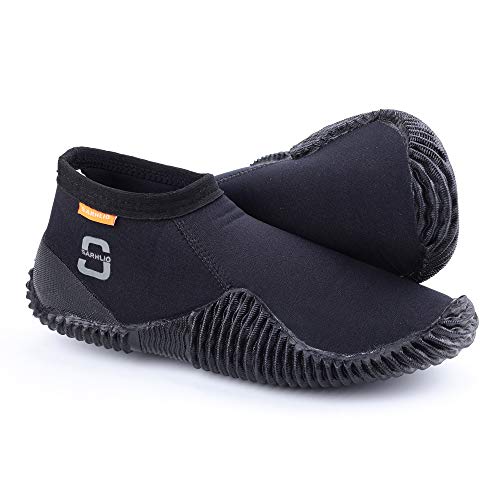
Neoprene Dive Boots with Anti-Slip Sole (3mm) for Water Activities
SARHLIO
Budget
Adult water boots for scuba diving and surfing
Cressi
Mid-Range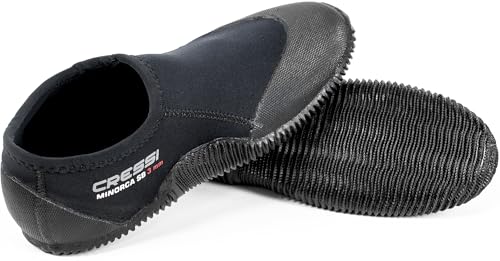
Cressi neoprene water boots 3 mm with anti-slip sole
CRESSI
Budget
Cressi 3 mm Neoprene Water Boots with Anti-Slip Sole
CRESSI
Budget
Cressi 3 mm Neoprene Anti-Slip Boots
CRESSI
Budget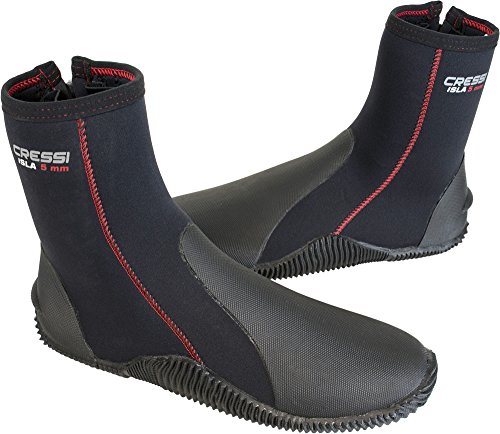
Adult water boots for scuba diving and surfing
Cressi
Mid-Range
Adult unisex water boots for diving, 5 mm neoprene
Cressi
Mid-Range
Cressi Adult Unisex 7 mm Neoprene Water Boots Isla Designed in Italy
Cressi
Mid-Range
Cressi Ibiza 3mm Neoprene Diving Boots
Cressi
Mid-Range
Adult scuba diving boots with 5 mm neoprene
Cressi
Mid-Range
Cressi Neoprene Water Boots with Anti-Slip Sole
CRESSI
Mid-Range
Neoprene Dive Boots with Anti-Slip Sole for Scuba Diving
SARHLIO
Budget
Neoprene dive boots with anti-slip sole (3mm)
SARHLIO
Budget
Neoprene Dive Boots with anti-slip sole (3mm) for water sports
SARHLIO
Budget
Cressi 3 mm Neoprene Water Boots with Anti-Slip Sole
Cressi
Mid-Range
Adult neoprene water boots for diving, 5 mm
Cressi
Mid-Range
Cressi Adult Unisex 7 mm Neoprene Water Boots Isla Italy
CRESSI
Mid-Range
Adult neoprene diving boots 5 mm, unisex water footwear
Cressi
Mid-Range
Isla 5 mm Neoprene Water Boots for Scuba Diving
Cressi
Mid-Range
BPS Dive Boots with Anti-Slip Soles (3mm-7mm) Neoprene
BPS
Mid-RangeRoundups
Frequently Asked Questions
How do I choose the right size and fit for diving boots?
Diving boots should fit snugly without pinching; toes should not be cramped and heel slippage should be minimal. Measure foot length and width, consult the brand's size chart, and consider whether you’ll wear them with thin or thick neoprene socks when selecting size
What thickness of neoprene is best for my diving conditions?
Thinner boots (2–3 mm) are suitable for warm-water snorkeling and freediving, while thicker boots (5–7 mm) provide better insulation for cold-water diving. Choose thicker neoprene for longer exposures or colder water
What sole type should I look for in diving boots?
Stiff, reinforced soles offer better protection and traction on rocky surfaces and when used with open-heel fins; flexible rubber soles provide more barefoot-like feel for shore entries and pool use. Pick the sole based on terrain and whether you'll use the boots with fins
Are there differences between split-toe and full-toe diving boots?
Split-toe boots separate the big toe to improve fin control with split-sole fins and can reduce foot fatigue, while full-toe boots offer uniform insulation and are compatible with most fin foot pockets. Choose based on your fin type and personal comfort
How should I care for and store diving boots to extend their life?
Rinse boots in fresh water after each use to remove salt and sand, air-dry them away from direct sunlight and heat, and store them loosely laced in a cool, dry place. Repair small tears promptly and avoid folding them tightly to prevent neoprene damage
What features affect durability and price in diving boots?
Durability is influenced by neoprene quality, glued and stitched seams, sole construction, and reinforced toe/heel areas. Prices commonly range from budget options under $50 to higher-priced models with thicker neoprene and heavy-duty soles
Can I wear diving boots for other water activities?
Yes — diving boots are suitable for snorkeling, kayaking, paddleboarding, and shore walking; match the boot’s thickness and sole stiffness to the activity for comfort and protection