Diving Fins
Diving fins for snorkeling, freediving, and scuba include full-foot and open-heel styles, short blades for snorkeling and long blades for propulsion. The 77 indexed products average a 4.49 rating and span budget through mid-range prices (about $32–$160), with brands like CRESSI represented
Top Products

Greatever Adjustable Snorkel Fins Open Heel Swim Flippers
Greatever
Budget
CAPAS Snorkel Fins – travel size adjustable open-heel fins
CAPAS
Mid-Range
CAPAS Snorkel Fins: Travel Size Open Heel Adjustable Swim Fins
CAPAS
Mid-Range
Cressi Agua Short swim fins for travel
Cressi
Mid-Range
Cressi short swim fins for kids
CRESSI
Budget
Cressi Agua Short Swim Fins for swimming and snorkeling
Cressi
Mid-Range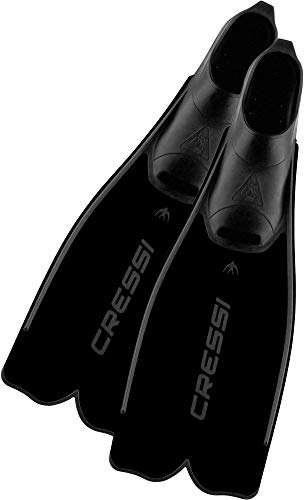
Cressi Adult Snorkeling Fins – Full Foot Pocket, Light & Flexible
Cressi
Mid-Range
Cressi Mini Light Kids Swim Fins
CRESSI
Budget
Greatever adjustable snorkel fins for adults
Greatever
Budget
Cressi Adult Snorkeling Full Foot Pocket Fins
CRESSI
Mid-Range
Cressi Mini Light Kids Swim Fins
Cressi
Budget
Cressi Mini Light Kids Swim Fins (1+ yrs) - Learn to Swim
Cressi
Budget
Cressi Kids Swim Fins for Training and Snorkelling
CRESSI
Budget
Cressi Short Full Foot Pocket Fins for Pool and Training
Cressi
Budget
Cressi Mini Light Kids Swim Fins
Cressi
Budget
Cressi Adult Snorkeling Full Foot Pocket Fins
CRESSI
Mid-Range
CAPAS Snorkel Fins, Travel Size Open Heel Swim Fins
CAPAS
Mid-Range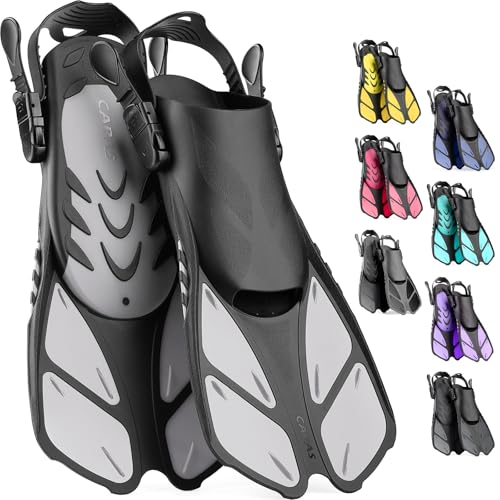
CAPAS Snorkel Fins - Travel Size Open Heel Swim Fins
CAPAS
Mid-Range
CAPAS snorkel fins - travel short open-heel adjustable fins
CAPAS
Mid-Range
Cressi Agua Short Light Swim Fins with Self-Adjusting Foot Pocket
Cressi
Budget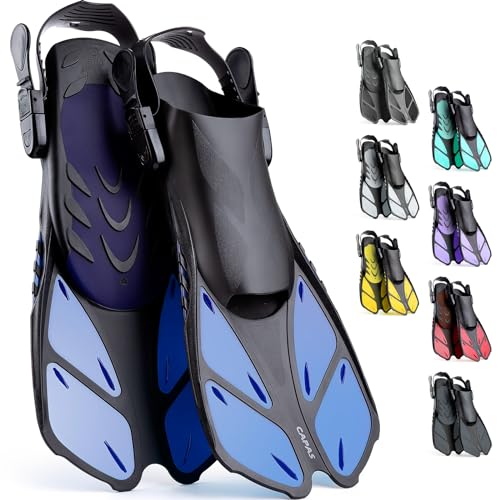
CAPAS Snorkel Fins - Travel Size Open Heel Swim Fins
CAPAS
Mid-Range
CAPAS Snorkel Fins: Travel-Size Open Heel Swim Flippers
CAPAS
Mid-Range
CAPAS Snorkel Fins: Travel-Size Open Heel Swim Fins
CAPAS
Mid-Range
CAPAS Snorkel Fins: Travel Size Short Adjustable Open Heel
CAPAS
Mid-RangeRoundups
Frequently Asked Questions
How do I choose between full-foot and open-heel diving fins?
Full-foot fins have a closed foot pocket and are best for warm-water snorkeling and freediving where you wear no booties; open-heel fins use adjustable straps and are worn with neoprene boots for cold water, shore entries, or scuba when extra ankle protection and a secure fit are needed
What blade stiffness and length should I pick for my skill level and activity?
Short, softer blades are easier to kick and work well for snorkeling, beginners, and long swims; medium-stiff blades suit recreational scuba and general freediving; long, stiffer blades provide more propulsion for experienced freedivers but require stronger technique and leg endurance
What materials and construction features affect performance and durability?
Blades are commonly made from plastic, composite, or rubber-thermoplastic blends; stiffer composites transfer power more efficiently, while softer plastics are comfortable and forgiving; features like vented blades, split fins, or channels can reduce leg fatigue or increase efficiency depending on design
How should I size and fit diving fins to avoid chafing or slipping?
Try fins with the footwear you plan to use (barefoot or with booties); they should fit snugly without crushing toes, with no heel lift for open-heel fins when straps are correctly adjusted; many brands provide size charts tied to shoe sizes—measure foot length if unsure and allow for thermal socks if needed
Are split fins better for reducing fatigue?
Split fins are designed to channel water and reduce resistance on the return stroke, which can lower perceived effort for some swimmers and divers, but their effectiveness depends on swimming style and conditions; they generally provide less thrust than rigid blades for strong, fast kicks
What basic care extends the life of my diving fins?
Rinse fins thoroughly in fresh water after each use, dry them out of direct sunlight to avoid UV degradation, store them flat or standing upright to prevent warping, and periodically check straps and buckles for wear and replace parts as needed
How much should I expect to spend on quality recreational diving fins?
Recreational diving fins typically range from budget options under $50 to higher-performance models over $100, with an average price in many assortments around $50–$60; specialized freediving or technical fins can cost more