Diving Gloves
This category covers neoprene and thermal diving gloves for scuba, snorkeling, and cold-water activities, with options focused on insulation, grip, and dexterity. Ten products average a 4.54 rating and mid-range pricing (about $33–$52, avg $38). Top brands include D Vein and Cressi
Top Products
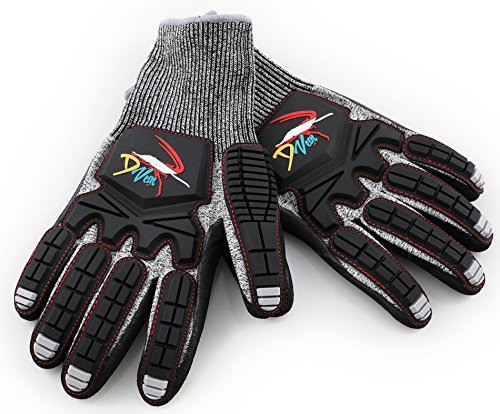
Lobster diving Kevlar gloves
D Vein
Budget
Lobster diving gloves with Kevlar protection
D Vein
Budget
Lobster Diving Gloves with Kevlar
D Vein
Budget
Cressi Camouflage Neoprene Spearfishing Gloves
CRESSI
Budget
Cressi Camouflage Neoprene Spearfishing Gloves
CRESSI
Mid-Range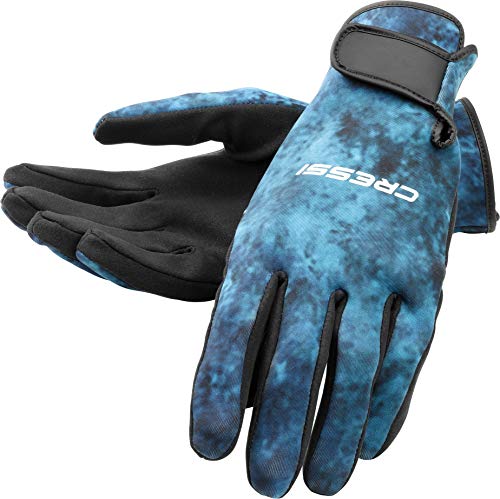
Cressi Camouflage Neoprene Spearfishing Gloves
Cressi
Budget
Cressi Camouflage Spearfishing Gloves, Elastic Neoprene
CRESSI
Mid-Range
Lobster diving gloves with Kevlar fiber
D Vein
Budget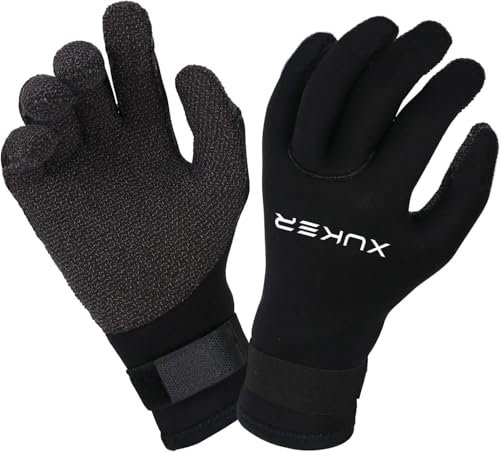
XUKER Water Gloves 3mm & 5mm Neoprene Five Finger Warm Gloves
XUKER
Mid-Range
Tropic Dive Glove 1.5mm by Scubapro
Scubapro
Mid-RangeRoundups
Frequently Asked Questions
How do I choose the right material and thickness for diving gloves?
Choose neoprene for insulation and flexibility; thicker neoprene (5–7 mm) provides more warmth for cold water, while thinner options (1–3 mm) or 2 mm lined gloves offer better dexterity for warm-water dives and fine tasks
What size should I buy and how should gloves fit?
Gloves should fit snugly without cutting off circulation: fingers should reach the tips without excess material and the cuff should seal around the wrist; follow the manufacturer's size chart and consider trying on with a thin base layer if you plan to wear one
Are there different styles and features I should consider for my diving activity?
Yes — full-finger gloves offer warmth and protection, fingerless or short-finger styles improve dexterity for photography or rescue tasks, and reinforced palms, textured grips, and pre-curved fingers enhance durability and handling
What is the typical price range and value considerations for diving gloves?
Diving gloves commonly range from budget options under $20 to higher-end models over $80; consider thickness, brand reputation, seam type, and added features like thermal lining or reinforced palms when assessing value
How should I care for and store diving gloves to extend their life?
Rinse gloves in fresh water after each use to remove salt and chlorine, air-dry inside out away from direct sunlight, avoid machine washing or heat, and store flat or loosely rolled in a cool, dry place to prevent deformation and material breakdown
What seam types are there and how do they affect performance?
Common seam types include glued-and-blind-stitched (more watertight and warmer), flatlock stitched (durable and cheaper but more water-permeable), and taped seams (additional waterproofing); choose glued/blind-stitched or taped for cold-water diving
Can I use diving gloves for other water sports or handling equipment?
Yes, diving gloves are suitable for snorkeling, kayaking, paddleboarding, and handling gear, but pick an appropriate thickness and grip for the activity—lighter gloves for paddling and thicker, insulated gloves for cold-water tasks