Equestrian Girths
Equestrian girths for English riding disciplines, including leather, neoprene, and synthetic designs for secure saddle fit and rider comfort. 16 products indexed with an average rating of 4.69 and mid-range pricing (about $34–$99); brands include Weaver Leather and T TEKE
Top Products

Weaver Leather Latigo with Holes
Weaver Leather
Budget
Weaver Leather Latigo with Holes
Weaver Leather
Budget
Weaver Leather Felt Lined Straight Smart Girth
Weaver Leather
Mid-Range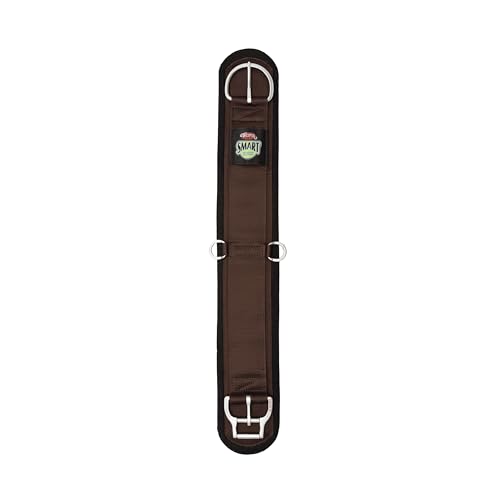
Weaver Leather Felt Lined Straight Smart Girth
Weaver Leather
Mid-Range
Weaver Leather Felt Lined Straight Smart Girth
Weaver Leather
Mid-Range
Weaver Leather Felt Lined Straight Smart Cinch
Weaver Leather
Mid-Range
Weaver Leather Felt Lined Straight Smart Girth
Weaver Leather
Mid-Range
T TEKE Contoured Girth for Horses, Airflow PVC Foam, Double Cotton Elastic, Stainless Buckles (38-56)
T TEKE
Mid-Range
T TEKE Contoured Girth for Horses, Airflow PVC Foam, Double Cotton Elastic
T TEKE
Mid-Range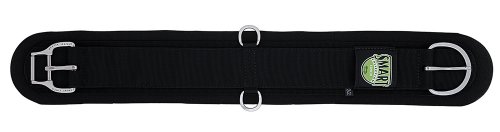
Weaver Leather Neoprene Smart Cinch with Roll Snug Buckle
Weaver Leather
Mid-Range
T TEKE Daily English Girth for Horses - Padded, Double-Sided Elastic
T TEKE
Mid-Range
T TEKE Daily English Girth for Horses
T TEKE
Mid-Range
T TEKE daily english girth for horses – padded fleece, double-sided elastic
T TEKE
Mid-Range
Weaver Leather Neoprene Surcingle - Black/Lime
Weaver Leather
Mid-Range
Weaver EquineCinch Girth
Weaver Equine
Mid-Range
Weaver Airflex Roll Snug Roper Cinch
Weaver Leather
PremiumRoundups
Frequently Asked Questions
How do I choose the right girth size for my horse?
Measure from the center of the saddle billet on one side, under the horse, to the center billet on the other side; compare that measurement to the girth length and account for buckle overlap. Also consider horse conformation—shorter, higher-set girths suit drafty/stocky horses while longer girths fit deeper-chested breeds
What types of girths are available and how do I pick one for my discipline?
Common types include flat leather or synthetic girths for general riding, dressage girths (shorter and straight), anatomical or contoured girths for freedom of shoulder movement, and elastic-end or elastic-center girths for easier cinching; choose based on saddle fit, horse comfort, and discipline-specific requirements
Are synthetic girths as durable and safe as leather girths?
Quality synthetic girths (neoprene, breathable webbing with stainless hardware) can match leather in strength and often require less maintenance, but inspect stitching, hardware, and material thickness; leather remains repairable and can be more comfortable for some horses when properly cared for
What features improve comfort and reduce rubbing or pressure points?
Look for contoured or anatomical shapes, elastic inserts to allow movement, padded centers or memory-foam panels, and wide, smooth buckles; proper saddle fit and regular cleaning of the girth and horse’s coat are equally important to prevent chafing
How should I clean and maintain a girth to extend its life?
For leather, wipe off sweat, clean with saddle soap, condition periodically, and store dry away from direct heat; for synthetics, rinse with water and mild soap, dry thoroughly, and check metal fittings for corrosion. Inspect regularly for worn stitching, stretched elastics, or cracked leather and replace if integrity is compromised
What price range should I expect and how does price relate to quality?
Girths commonly range from budget options under $50 to higher-end models over $150; higher price often reflects premium materials (full-grain leather, high-density padding, stainless steel hardware) and specialized designs, but well-made mid-price synthetics can provide excellent durability and value
Can a girth affect saddle fit, and should I re-evaluate saddle fit when changing girths?
Yes—girth shape, thickness, and billet placement can change saddle balance; whenever you change girth type or thickness, check saddle position and the horse’s comfort under saddle, and re-evaluate fit with the saddle fully girthed and the horse standing square